Guangxi Travelogue: Yaobu Ancient Town in Liuzhou
Around 2:30 p.m. on October 24, 2024, we wrapped up our visit to the Confucian Temple and set off on foot for Yaobu Ancient Town in Liuzhou. The security guard told us about a shortcut, cutting through Panlong Mountain Park to get there directly. We entered the Yaobu Ancient Town scenic area at 3:20 p.m.
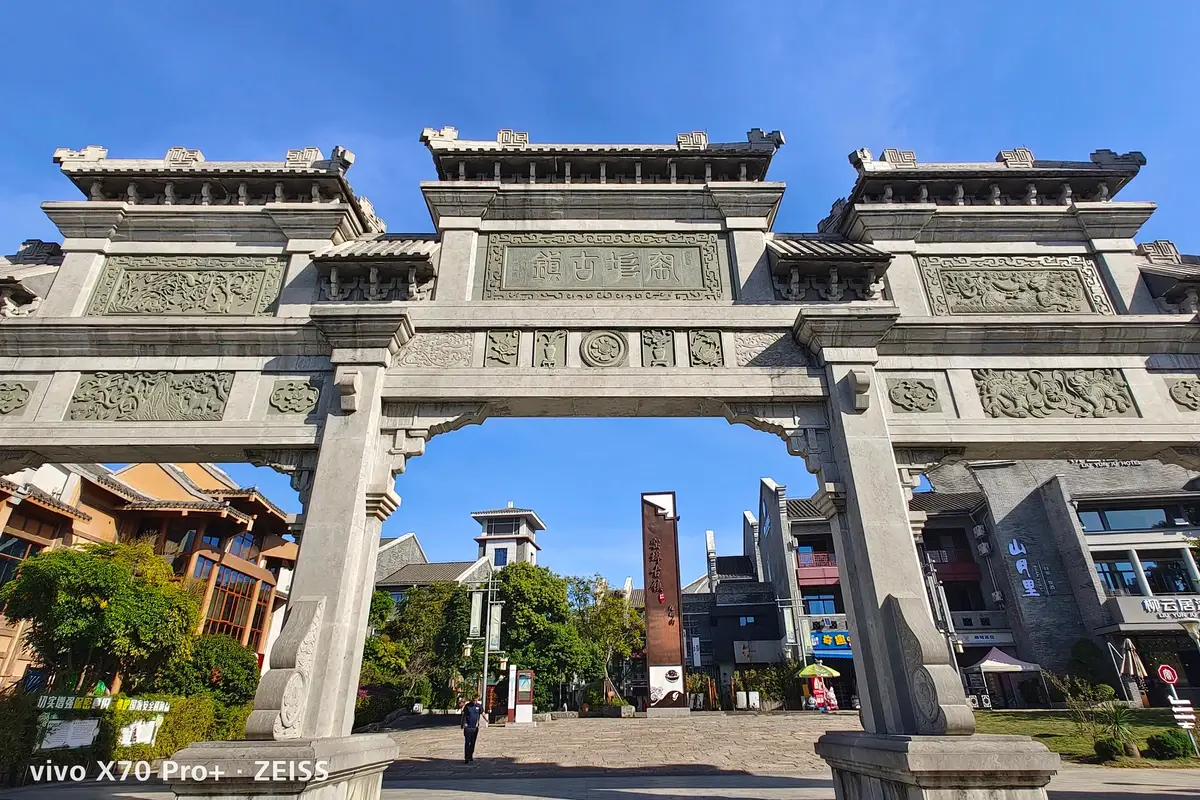
Yaobu Ancient Town, one of Liuzhou's top ten key projects and the crowning touch of the Baili Liujiang Scenic Area, lies on Dongdi South Road at the foot of Panlong Mountain. A dazzling pearl along the 'Baili Liujiang' (Hundred-Li Liujiang River), it boasts an unrivaled riverfront panorama. With 400,000 square meters of charming old town, it serves as Liuzhou's urban reception hall. It is the highlight of the Liuzhou 4A-rated Baili Liujiang scenic belt, joining other stunning attractions—the world's largest water-borne musical fountain with a lifting stage, the world's largest man-made waterfall cluster at Panlong Mountain, and the Confucian Temple housing China's largest gilded bronze statue of Confucius—to form a brilliant chapter along the river.
One of Liuzhou's ancient settlements, Yaobu Ancient Town covers a total floor area of about 430,000 square meters. With a long history, it has witnessed the city's profound transformations over a millennium.
Yaobu Ancient Town was renowned for firing bricks and tiles, which were shipped from its wharves to far-flung destinations—hence the name 'Yaobu' (Kiln Wharf). Its celadon kilns once exported wares to Southeast Asia. When Liuzhou was first established as a city in the sixth year of the Yuanding era of the Western Han Dynasty (111 BC), this area gathered residents who made a living from kilns. Bricks, tiles, lime, and other building materials were loaded onto boats and rafts here and transported along the Liujiang River waterway, giving rise to a port—thus the name Yaobu.
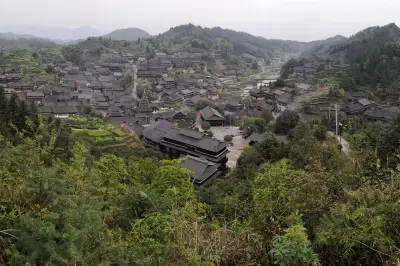
The redesigned Yaobu Ancient Town follows the guiding principle of 'reviving the simple, classic look of old Yaobu and restoring the former bustle of the ancient wharf.' It strives to showcase local features of multi-ethnic cultural coexistence and prosperity, reflecting the integrity and harmony of nature, history, society, ethnicity, culture, and human settlement. The development consists of two main areas: the ancient port commercial district and the Dong Village cultural and folk customs zone. The commercial district is made up of Zhuang-style, Miao-style, and Yao-style streets, plus a waterfront leisure pedestrian street. Public cultural facilities include the Guangxi Gui Opera Museum, an opera stage, the Guangxi Folk Customs Museum, and Wenchang Pavilion. The Dong Village zone features a drum tower square and traditional Dong residential clusters.
The completed first phase is now open to the public. Its ancient building complex, a significant cultural heritage site in Liuzhou, includes Qing-dynasty residences, shops, and ancestral halls. These structures exemplify the classic Lingnan architectural style, characterized by grey bricks, dark tiles, wood carvings, and stone engravings, displaying exquisite craftsmanship and unique charm.
Yaobu Ancient Town is a land-and-water transport hub; the old wharf was once a vital channel for goods. Today, the wharf no longer buzzes with the same activity, but the historical traces and distinctive scenery it left behind continue to draw many visitors.
The town is home to several religious and cultural sites, such as the Buddhist Guanyin Temple and the Christian Gospel Church. These places not only provide spiritual sustenance for locals but also attract tourists eager to experience diverse religious atmospheres.
The food and culture street in Yaobu Ancient Town is a specialty zone combining dining, shopping, and cultural experiences. It brings together many authentic Liuzhou dishes and snacks, allowing visitors to taste genuine local flavors. There are also a variety of handicrafts and unique souvenirs for travelers to take home.
In summary, Yaobu Ancient Town is a tourist destination rich in historical charm and cultural depth. Here, visitors can appreciate Liuzhou's distinctive natural beauty and human landscapes. By delving into the town's history and culture, travelers can better feel the allure and essence of the city.
We strolled through the main streets of the ancient town—a token 'been there' to complete our wish. At 4:30 p.m., we took bus No. 12 to the Liuzhou Traditional Chinese Medicine Hospital, then transferred to bus No. 25 back to our hotel, ending the day's journey.