Soldier Green Grass 2019 Winter Israel & Jordan Free Travel Diary (2) – Tel Aviv
This section introduces our travel experience in Tel Aviv, Israel, mainly covering an overview of Tel Aviv, itinerary and hotel details, attractions and highlights, and travel tips.
Tel Aviv, officially known as Tel Aviv-Yafo, borders the Mediterranean Sea to the east. It is Israel's second-largest city and economic hub.
Founded in 1909 by a group of Jewish immigrants seeking to escape the high housing costs in the neighboring ancient port city of Jaffa, Tel Aviv gradually surpassed the predominantly Arab Jaffa and merged with it in 1950 to form the city of Tel Aviv-Yafo. Today, Tel Aviv is considered Israel's most international city, characterized by its vibrant, modern, and cosmopolitan nature. It is home to numerous museums, art galleries, opera houses, and universities such as Tel Aviv University and Bar-Ilan University, making it the cultural capital of Israel.
Tel Aviv is an open and inclusive city, with about 350 synagogues, as well as many mosques and churches.
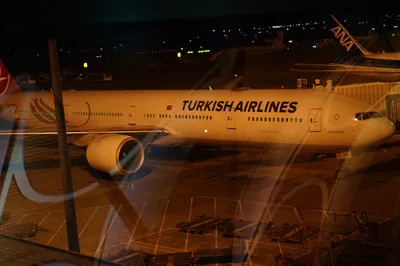
We departed Istanbul on November 16, 2019, at 10:10 AM on Turkish Airlines flight TK794 to Tel Aviv, arriving at Ben Gurion International Airport at 11:25 AM local time. Since that day was the Jewish Sabbath, the only transportation available from the airport was taxis. After clearing customs, we took a taxi directly to our pre-booked hotel in Tel Aviv. After a brief rest in the afternoon, we visited the Tel Aviv beach.
On November 17, we walked along the Tel Aviv beach for about three kilometers to the ancient Jaffa district. In the afternoon, we took a bus back to the hotel and explored the nearby area.
On November 18, we visited the Tel Aviv City Hall and Rabin Square, as well as the Tel Aviv Museum of Art. On our way back to the hotel, we toured the Bauhaus architectural complex.
We stayed at Tel Aviv Suites, an apartment-style hotel located in the northern part of Tel Aviv, on Frishman Street. This four-story building is close to the Tel Aviv beach, less than 200 meters away, making it convenient for beach walks. Across the street, there is a small supermarket with a good selection of fruits and vegetables. The rooms are spacious, and although the facilities are not luxurious, they are practical and, most importantly, clean. As an apartment hotel, it is fully equipped with a stove, cookware, and utensils. Highly recommended.
1. Tel Aviv Beach and Promenade
Tel Aviv's beach runs north-south, with a marina in the north and extending south near the David InterContinental Hotel. The beach has gentle terrain with soft, fine sand that feels wonderful under bare feet. The wide sandy area features several beach volleyball courts and other facilities. The seawall is equipped with various services, including restaurants, changing rooms, and particularly unique sunshades and umbrellas. The sunset at the beach is also very beautiful.
2. Ancient Jaffa
Jaffa is one of the oldest ports in the world, with a history of over 4,000 years. Located on the busy maritime route of the Mediterranean, it became a famous port on the Mediterranean coast as early as 2000 BCE. Over the long course of history, Romans, Greeks, Crusaders, Turks, Arabs, and Europeans have all left their marks on Jaffa, with countless dramas unfolding in this ancient city.
The Gate of Faith is carved with stories from the Old Testament: the left pillar depicts Abraham's sacrifice of Isaac; the right pillar shows Jacob's dream of a ladder; the top beam illustrates the seven priests and Joshua blowing trumpets to bring down the walls of Jericho.
Next to the Gate of Faith is the Twelve Zodiac Signs Wishing Bridge.
The center of the old city is a dense cluster of old houses and winding alleyways, all built of yellow stone. Visitors are captivated by the 12 ancient alleys of Jaffa, each named after a zodiac sign. The alleys are only two to three meters wide, with smooth, polished stone paving. The houses along the alleys are adorned with colorful flowers and greenery at their doors and windows, and most small shops sell decorative items and artworks, giving the area a strong artistic atmosphere.
At one corner of ancient Jaffa stands a clock tower.
The Etzel Museum, which reportedly houses exhibits from the 1948 Arab-Israeli war, is located along the route we took to Jaffa. However, the museum was closed at the time, and there were many Israeli soldiers outside.
3. Tel Aviv City Hall and Rabin Square
Originally named Kings of Israel Square, Rabin Square was renamed after Israeli Prime Minister Yitzhak Rabin was assassinated there. The Tel Aviv City Hall building stands next to the square. The square is not large, with an olive tree in the center, symbolizing the Israeli people's love for peace. On the other side of the square stands a diamond-shaped steel monument. Next to the monument, a pond with lotus leaves brings tranquility and serenity to the square.
At the entrance staircase of City Hall, there is a square black granite tomb where Rabin is buried. Several markers on the ground indicate the positions of the相关人员 and the assassin. On November 4, 1995, a Saturday, Israeli Prime Minister and Minister of Defense Yitzhak Rabin was shot and fell here.
4. Tel Aviv Museum of Art
Founded in 1932, the Tel Aviv Museum of Art is one of Israel's renowned museums. The current building was completed in October 2011. It houses extensive permanent and temporary collections spanning painting, sculpture, photography, and more.
The museum building itself is distinctive, with a modern, minimalist, and grand exterior. It has three floors above ground and two below, with a central atrium 26.5 meters high called the "Lightfall," where sunlight streams from the top or refracts through twisted surfaces (hyperbolic paraboloids) into the deep interior space, creating a dreamlike play of light and shadow.
5. Bauhaus Architectural Complex
"Bauhaus" is a German term referring to the school of architecture founded by famous modernist architect Walter Gropius. The school advocated architecture that adapts to modern industrial production and living needs, emphasizing function, technology, and economic efficiency. This led to the formation of an important branch of modern architecture: Modernist architecture.
In the 1920s and 1930s, Bauhaus architecture became popular in Germany, led by Jewish figures. Many of them came to Tel Aviv during its construction period, resulting in a large number of Bauhaus buildings. These buildings are characterized by flat roofs, light structures, clear lines, and white or concrete exteriors. By the end of the 20th century, about 4,000 Bauhaus-style buildings were scattered throughout Tel Aviv, earning it a UNESCO World Heritage designation.
Tel Aviv truly lives up to its reputation as Israel's most international city, with architecture of world-class standards.
1. According to online sources, entry into Israel is very strict, with border officers asking many questions. Our entry went relatively smoothly; after checking our visa, they asked very few questions and let us through. However, before leaving Istanbul, the security check at the boarding gate for the Israel flight was particularly strict. As travelers, we just followed the instructions of the security personnel. It is necessary to have printed copies of round-trip tickets, hotel reservations, and itineraries ready for border inspection.
2. Taking buses is a good option for getting around Tel Aviv. Following tips from previous guides, we boarded a bus and bought a public transport card from the driver for 10 New Shekels. With this card, we could conveniently use buses and light rail. The first tap on a bus gives 90 minutes of free transfers to other buses. When the card runs out of funds, you can recharge it at self-service machines at bus stops, which is very convenient.
Note: First, Israeli public transport cards are non-refundable, so calculate your fare and recharge accordingly. Recharging also comes with a 25% bonus—for example, recharging 100 shekels yields a balance of 125 shekels. To avoid leaving too much change on the card, you can keep it as a souvenir.
Second, bus stop signs in Israel are in Hebrew, so it's best to use Google Maps to determine which bus to take and how many stops to go. Once on board, keep your map open and press the "Stop" button on the handrail before your stop; otherwise, the driver may skip the stop if no one signals.
3. Be aware of the impact of the Sabbath on travel in Israel.
From sunset on Friday to sunset on Saturday is the Jewish Sabbath. On this day, observant Jews follow many rules: no work, shopping, travel, or cooking. All government offices and most private businesses are closed, and public transportation stops. For tourists in Israel, the main impacts are the suspension of public transport and the closure of Jewish shops and restaurants. Taxis, however, operate normally. Consider this when planning your itinerary.
We flew from Istanbul to Tel Aviv on November 16, 2019, which was a Saturday. There was no public transport from the airport to the hotel, so we had to take a taxi, costing 90 New Shekels. Originally, we planned to return the rental car at the airport on November 23, also a Saturday. Given that taking a taxi from the airport to Jerusalem would be even more expensive, we postponed the car return by one day. This saved us taxi fare and allowed us to use the car for an extra day in Jerusalem, though the daily rental rate for that extra day was higher. This adjustment was timely and did not affect our itinerary.
4. Pay attention to Israeli coins: the larger the denomination, the smaller the diameter. In particular, the 10 New Shekel coin is the smallest in diameter. At first, we didn't recognize it and had a misunderstanding.
———— End of Section ————
Travel Diary Index
1. Overview of Tel Aviv
2. Itinerary and Hotel Details
3. Major Attractions and Highlights
4. Travel Tips