16-Day Self-Drive Tour Around Britain for the 2018 National Day Holiday
I. Preface
II. Theme and Itinerary
III. Manor Houses, Castles and Countryside
IV. Town Charm
V. Film Locations
VI. Famous Universities
VII. Lakes and Mountains, Scenic Spots
VIII. Travel Tips
Itinerary:
D1: London: Hyde Park, Big Ben, Buckingham Palace, Houses of Parliament, London Eye
D2: London: British Museum, Tower Bridge
D3: London - Windsor Castle - Oxford University - Stonehenge
D4: Stonehenge - Durdle Door - Old Harry Rocks - Bibury
D5: Bibury - Shakespeare's Birthplace - Chatsworth House - Yorkshire Dales - Lake District National Park
D6: Lake District National Park - Hill Top - Loch Lomond and The Trossachs National Park
D7: Loch Lomond and The Trossachs National Park - Scottish Highlands - Portree, Isle of Skye
D8: Portree, Isle of Skye - Loch Ness - Inverness - Edinburgh
D9: Edinburgh - Holy Island - York - Cambridge
D10: Cambridge - Dover
D11: Dover - London (National Gallery)
Selected Photos:
Chatsworth House:
Chatsworth House
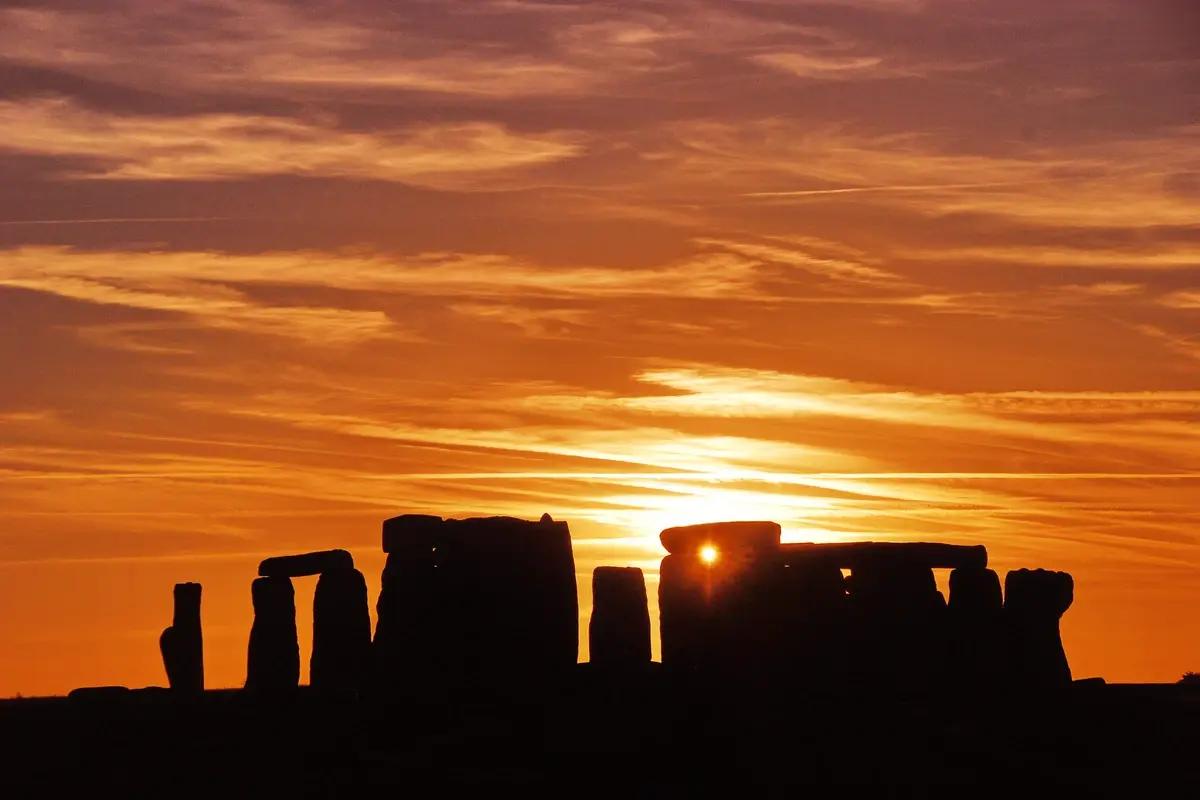
Stonehenge at Dusk:
Lake District National Park:
Isle of Skye, Scotland:
Isle of Skye, Scottish Highlands: The Storr, Old Man of Storr
White Cliffs of Dover:
English Countryside:
Neatly trimmed 'tunnels' along country roads:
Trinity College, Oxford:
National Gallery, London:
Scottish Highlands, many film locations:
Scottish Highlands, many film locations:
Bed and breakfast on the White Cliffs of Dover, sunrise:
Holy Island:
Hill Top, home of Beatrix Potter, author of Peter Rabbit:
Hill Top, home of Beatrix Potter, author of Peter Rabbit:
Historic village of Bibury:
Historic village of Bibury:
Changing of the Guard at Windsor Castle:
Corfe Castle:
York's Diagon Alley – Harry Potter filming location:
I. Preface
Britain, a legendary fallen empire, often 'inspires' me to experience the superiority of being the world's second largest economy.
With limited free time, I chose the 2018 National Day holiday, totalling 16 days. Some argue that 'Britain is the country that has contributed the most to humanity and can never be surpassed'! Britain initiated the First Industrial Revolution, pioneered new political systems characterised by republicanism, parliamentary politics and two-party system, and established the classical market economy of free competition. Britain is the birthplace of Western rule of law theory and institutions, and also the birthplace of modern financial systems. The Magna Carta laid the foundation for modern democracy. These opportunities have only occurred once in human history, and Britain has achieved them, so no country can surpass it. Britain has contributed famous thinkers and philosophers to the world: Hobbes, Locke, Hume, Berkeley, Bentham, Bacon, Russell, Spencer, Adam Smith, Malthus... Britain has contributed famous scientists to the world: Newton, Maxwell, Darwin, Faraday, Joule, Dirac, Hawking... Britain has contributed famous writers to the world: Shakespeare, J.K. Rowling, Jane Austen, Charles Dickens, Agatha Christie, Somerset Maugham, Thomas Hardy, the Brontë sisters, Byron, Beatrix Potter... English has become the most universal international language. Departure.
II. Theme and Itinerary
1. Theme: The theme of this trip is mainly manor houses, castles, countryside, towns, film locations, and famous universities. Total distance approximately 3,500 km.
2. Itinerary:
D1: London: Hyde Park, Big Ben, Buckingham Palace, Houses of Parliament, London Eye
D2: London: British Museum, Tower Bridge
D3: London - Windsor Castle - Oxford University - Stonehenge
D4: Stonehenge - Durdle Door - Old Harry Rocks - Bibury
D5: Bibury - Shakespeare's Birthplace - Chatsworth House - Yorkshire Dales - Lake District National Park
D6: Lake District National Park - Hill Top - Loch Lomond and The Trossachs National Park
D7: Loch Lomond and The Trossachs National Park - Scottish Highlands - Portree, Isle of Skye
D8: Portree, Isle of Skye - Loch Ness - Inverness - Edinburgh
D9: Edinburgh - Holy Island - York - Cambridge
D10: Cambridge - Dover
D11: Dover - London (National Gallery)
III. Manor Houses, Castles and Countryside
1. Chatsworth House is the ancestral home of the Dukes of Devonshire, located in the Peak District National Park in northern England, only half an hour's drive from Sheffield. It is one of the most famous attractions in the Peak District. The house was first built in 1552 and over 400 years from the 15th to the 19th century, it was carefully designed and constructed by many famous landscape gardeners, becoming one of the most beautiful country houses in England and an important part of British heritage. The film "The Duchess", based on the story of the 5th Duchess, was filmed here, portraying the life of the glamorous Duchess Georgiana. The 2005 film "Pride & Prejudice" also used this location as Mr. Darcy's Pemberley.
2. Stonor Park is a private estate about 6 km east of Henley-on-Thames in Oxfordshire, England. The estate dates from 1190 and has a private 12th-century chapel. Many films and TV series have been filmed here, including the 1987 James Bond film "The Living Daylights". It is also said to be the inspiration for Alice in Wonderland, supposedly written in a house beside the meadow, and Alice entered another world through a hole in this meadow. Due to time constraints, we passed by and did not stop. Sharing a few internet images:
3. Windsor Castle is one of the official residences of the British monarch and the largest inhabited castle in the world. The current Queen spends much of her time here and often conducts official and private activities. When the Queen is in residence, the Royal Standard is flown. Windsor Castle is divided into three wards: the Upper Ward includes the State Apartments and the Queen's Dolls' House; the Middle Ward features the Round Tower surrounded by the Rose Garden; the Lower Ward contains the Gothic St George's Chapel. Besides Windsor Castle, the town of Windsor has other attractions such as Eton College and the Royal Windsor Horse Show. The nearby village of Bray is a foodie destination, with two Michelin three-star restaurants.
4. Highclere Castle is located in Hampshire, England, built in 1839 and listed as a Grade I listed building in 1953. "Downton Abbey" was filmed at Highclere Castle. It is a typical Gothic Revival house built in the 19th century, with interiors featuring a grand oak staircase, a vast collection of rare books, ornate leather wall coverings and heraldic shields. Highclere Castle sits on a chalk hilltop at the crossroads of Winchester, Oxford, London and Bristol. Due to time constraints, we passed by and did not stop. Sharing a few internet images:
5. Old Inverlochy Castle was built in the 13th century and was one of the most famous castles in Scotland, playing an important role in the 17th-century civil war between Scotland and England. In 1654 it was abandoned to make way for a new wooden castle, which later became Fort William. In the early 19th century, local nobility built another Inverlochy Castle nearby (now a luxury hotel), so the ruins are now called Old Inverlochy Castle.
6. Urquhart Castle is one of the most important historic sites in the Scottish Highlands, playing a significant role in the 14th-century Wars of Scottish Independence. It was once the largest castle in Scotland. The castle sits on a large rock jutting into the south shore of Loch Ness, offering panoramic views of the mysterious loch. It is now in ruins, exuding loneliness and mystery. It rained, so we did not enter. Sharing a few internet images:
7. Edinburgh Castle is the symbol of Edinburgh and indeed the spirit of Scotland. It stands on top of an extinct volcanic rock, overlooking Edinburgh city. The annual Military Tattoo held in August fully displays the solemn and majestic atmosphere of Edinburgh Castle. No visitor to Edinburgh misses Edinburgh Castle, visible from all corners of the city centre. It became a royal fortress in the 6th century and later an important royal residence and centre of government. It is also a filming location for films such as "One Day", "The Da Vinci Code", "Trainspotting", and "Harry Potter".
8. Corfe Castle is situated in Purbeck, built by William I in the 11th century, one of the first 36 castles he built in England.
9. The English Countryside: Driving through the English countryside is a great pleasure. The vast, undulating, varied, rich and well-arranged scenery along the way is enchanting.
The farm we stayed at in the Lake District National Park:
The farm we stayed at in the Lake District National Park:
The farm we stayed at in the Lake District National Park:
The farm we stayed at in the Lake District National Park:
These two horses were very friendly, following people:
A narrow lane where two cars cannot pass:
IV. Town Charm
1. Bibury is situated on the River Coln, 6.5 km from Cirencester. The artist William Morris called it 'the most beautiful village in England' when he visited, preserving the ancient quiet and beauty of an English village. The houses here are at least 400 years old, rows of honey-coloured stone cottages, each with its own distinctive garden, a babbling brook in front with ducks playing happily. The most beautiful countryside in the world is in England, and the most beautiful English countryside is here. The picturesque Arlington Row cottages were built in 1380, originally as a monastic wool store, then converted into weavers' cottages in the 17th century. The cloth produced here was sent to Arlington Mill. Arlington Row is one of the most photographed scenes in the Cotswolds, preserved by the Royal College of Art. It has been used as a filming location for many films and TV shows, most notably "Stardust" and "Bridget Jones's Diary".
2. The Isle of Skye, due to its beautiful scenery, is called 'Sky Island' by Chinese travel enthusiasts. It is the largest and northernmost island of the Inner Hebrides in Scotland, located in the far northwest of Britain, with its main town being Portree. Just as Shangri-La is to China, the Isle of Skye in the Scottish Highlands is Britain's paradise. Far from worldly clamour, it preserves the purest, most pristine and mysterious beauty of nature, always hailed as the most beautiful place in Britain. In Scottish Gaelic, the island is called Eilean a' Cheò, meaning 'island of the mist'. Misty and isolated, the Isle of Skye gets its name. This island, inhabited since the Mesolithic period, was difficult to access due to remote transport and changeable weather, until the Skye Bridge across the Kyle of Lochalsh was built in 1995, connecting it to mainland Scotland. The film "King Arthur" was filmed on the Isle of Skye.
Old Man of Storr, Isle of Skye
Old Man of Storr, Isle of Skye
Old Man of Storr, Isle of Skye
Old Man of Storr, Isle of Skye
Old Man of Storr, Isle of Skye
Fairy Pools, Isle of Skye
Fairy Pools, Isle of Skye
Fairy Pools, Isle of Skye
Fairy Pools, Isle of Skye
Fairy Pools, Isle of Skye
Fairy Pools, Isle of Skye Typical colourful terraced houses in Portree, the administrative centre of Skye:
3. Shakespeare's Birthplace: This was originally the home of Shakespeare's parents, John and Mary Shakespeare. It was purchased in 1847 by the Shakespeare Birthday Committee, restored to its 16th-century appearance, a very quaint half-timbered house. It is Shakespeare's birthplace and childhood home, now one of the most popular tourist attractions in the UK, receiving 3.5 million visitors annually.
Shakespeare's Birthplace
Shakespeare's Birthplace
Shakespeare's Birthplace (internet image)
Shakespeare's Birthplace (internet image)
Shakespeare's Birthplace (internet image)
Shakespeare's Birthplace (internet image)
Shakespeare's Birthplace
Shakespeare's Birthplace
Shakespeare's Birthplace
Shakespeare's Birthplace
Shakespeare's Birthplace
Shakespeare's Birthplace
Shakespeare's Burial Place:
Shakespeare's Birthplace
4. Hill Top is the farm and house that Beatrix Potter, author of Peter Rabbit, bought in 1905. It became her home, and the furniture and pottery are still kept as they were. Each room has a picture on the wall depicting a story from Peter Rabbit. The garden is a riot of flowers, as if you might turn a corner and see Peter Rabbit pop out of the grass.
5. Holy Island (Lindisfarne): Holy Island is located off the coast of Northumberland in northeast England, one of the earliest Christian sites in Britain. The monastery on the island was founded in 635 AD, famous for Saint Cuthbert, the greatest saint of Northumberland, who lived and is buried here. The entire island is named after him. Although the exquisite carvings and peaceful atmosphere will still make you feel it is worth the visit. The romantic 16th-century Lindisfarne Castle sits on a hilltop at the tip of the island, also worth a visit. Besides exploring the castle's secrets, you can enjoy the original coastline and beautiful views of the Cheviot hills. Picturesque, dotted with castle and church, a heavenly feeling. Interestingly, access to the island is affected by the tide. Generally, you can drive on and off during low tide in the morning, while the tide rises in the afternoon. If you don't manage your time, you have to stay overnight on the island. There is a tide timetable at the entrance.
Holy Island
Holy Island
Holy Island
Holy Island
Holy Island
Holy Island
Holy Island
Holy Island
Holy Island
Holy Island
Tide timetable sign at the entrance to Holy Island:
Holy Island - on the way back, the rising tide was surging, trying to cover the road:
Holy Island
V. Film Locations
1. 2005 film "Pride & Prejudice": Chatsworth House
2. "Braveheart", "Skyfall", "Harry Potter and the Prisoner of Azkaban": Glencoe (Glen Coe) valley, also known as the Glen of Weeping. The valley is majestic, magnificent, and hauntingly beautiful, with heather-covered hillsides, towering peaks rising on either side, and streams and waterfalls flowing between them, visually stunning.
Glen Coe
3. Harry Potter's Hogwarts School: Christ Church College, Oxford, in Gothic style
Christ Church College
4. Downton Abbey: Highclere Castle (internet image)
Highclere Castle (Downton Abbey filming location) (internet image)
5. "One Day", "The Da Vinci Code", "Trainspotting", "Harry Potter": Edinburgh.
Edinburgh
6. "King Arthur": Isle of Skye.
Isle of Skye
7. "Harry Potter and the Philosopher's Stone": York's Diagon Alley: In the first Harry Potter film, "Harry Potter and the Philosopher's Stone", Hagrid takes Harry to the back of the Leaky Cauldron, taps the brick wall five times with his wand, and the bricks magically rotate apart to form an archway... 'Welcome Harry! to Diagon Alley!' The scene before him, a dreamlike street, leaves Harry stunned. This street, 'Diagon Alley', is where young witches and wizards buy their magical equipment and books. And this street is also the one that all 'Potterheads' dream of exploring. It is one of the oldest streets in the ancient city of York, and is the best-preserved medieval street in all of England and even Europe.
8. "Tess of the D'Urbervilles" and "Lark Rise to Candleford": Chavenage House
Chavenage House (internet image)
Chavenage House (internet image)
Chavenage House (internet image)
9. "The World Is Not Enough", "The Master of Ballantrae", "The Private Life of Sherlock Holmes", "The Challengers", "Mio in the Land of Faraway", "The Proof of Love", "Elizabeth: The Golden Age", "Kandukondain Kandukondain", "Made of Honor":
Eilean Donan Castle
Eilean Donan Castle (internet image)
Eilean Donan Castle
10. "The Living Daylights": Stonor Park, located in Oxfordshire, near the picturesque market town of Henley-on-Thames on the River Thames.
Stonor Park (internet image)
11. "Stardust" and "Bridget Jones's Diary": Bibury
Bibury
12. "Prometheus", "The Lord of the Rings": The Storr (Old Man of Storr), Quiraing. Due to bad weather, sharing a few internet images:
Old Man of Storr (internet image)
Old Man of Storr (internet image)
Old Man of Storr (internet image)
VI. Famous Universities
1. University of Cambridge
Newton's Apple Tree at Cambridge:
Mathematical Bridge at Cambridge:
University of Cambridge
2. University of Oxford
Oxford University Parks
Oxford University Parks
Oxford University Parks
Oxford University Parks
Oxford University Parks Bridge of Sighs:
Oxford University Parks
VII. Lakes and Mountains, Scenic Spots
1. Stonehenge: Stonehenge is a famous prehistoric monument and one of the most iconic symbols of the UK. It is located on Salisbury Plain in Wiltshire, England. Amidst a large grassland, these seemingly randomly placed upright and horizontal stones are a great miracle of human history. Archaeologists believe it was built around 3000 BC. How these 4,300-year-old megaliths were transported and erected remains a mystery. The most astonishing part is the central stone circle, with the tallest stones reaching 8 metres and an average weight of nearly 30 tonnes, arranged in a circle over 100 metres in diameter, truly awe-inspiring. People are amazed to find that many 7-tonne stones are placed horizontally on top of two upright pillars. Some believe the monument was built to record the sun's trajectory, others think it was a burial site or for worship, but its true purpose remains unknown. Standing within this incredible wonder seems to release all of one's energy, a chance to witness the spectacle and speculate freely.
2. Durdle Door: This natural limestone arch is located on the Jurassic Coast in southern England, a famous landmark on the coastline. The arch is privately owned by the Welds family but open to the public.
Durdle Door
3. White Cliffs of Dover: The White Cliffs of Dover are located at the point of Beachy Head on the English Channel, a sheer cliff face, a 5 km stretch of white cliff formed by the gradual accumulation of tiny marine organisms from the Cretaceous period at a rate of 0.015 mm per year. Now a famous tourist attraction in the UK, considered a symbol of England.
White Cliffs of Dover
White Cliffs of Dover
4. Old Harry Rocks are located at the eastern end of the Jurassic Coast, a lesser-known attraction. If you are driving, it is worth a visit, with a footpath leading to the furthest point.
Old Harry Rocks This angle and perspective are the best (internet image):
Old Harry Rocks
5. The Fairy Glen on the Isle of Skye: a magical, fairy-tale valley with miniature-like meadows, moss, woods, lochs and conical hills, along with simple aboriginal remains. Locals describe it as a landscape reminiscent of Narnia.
Fairy Glen (internet image)
Fairy Glen (internet image)
Fairy Glen (internet image)
Fairy Glen (internet image)
6. Lake District National Park:
English Lake District
7. Others:
VIII. Travel Information
1. Hotels: Booked through Ctrip and Airbnb. 2. Car rental: Both Ctrip and Zuzuche are fine; it's best to choose a vehicle with full insurance. We only added full insurance upon picking up the car locally, which cost much more. Our two families, total 4 people, rented a 7-seat MPV. 3. Dining: We shopped daily and cooked ourselves, never skimping on good food. 4. SIM card: We bought an EE data SIM card; after using it, we felt it was a bit expensive. Coverage was acceptable. 5. Road conditions: Roads were very good, with little traffic, and the scenery along country roads was stunning.


