Self-Drive Travel Notes in Australia: Melbourne, Sydney, Gold Coast, Cairns, etc. (Part 1)
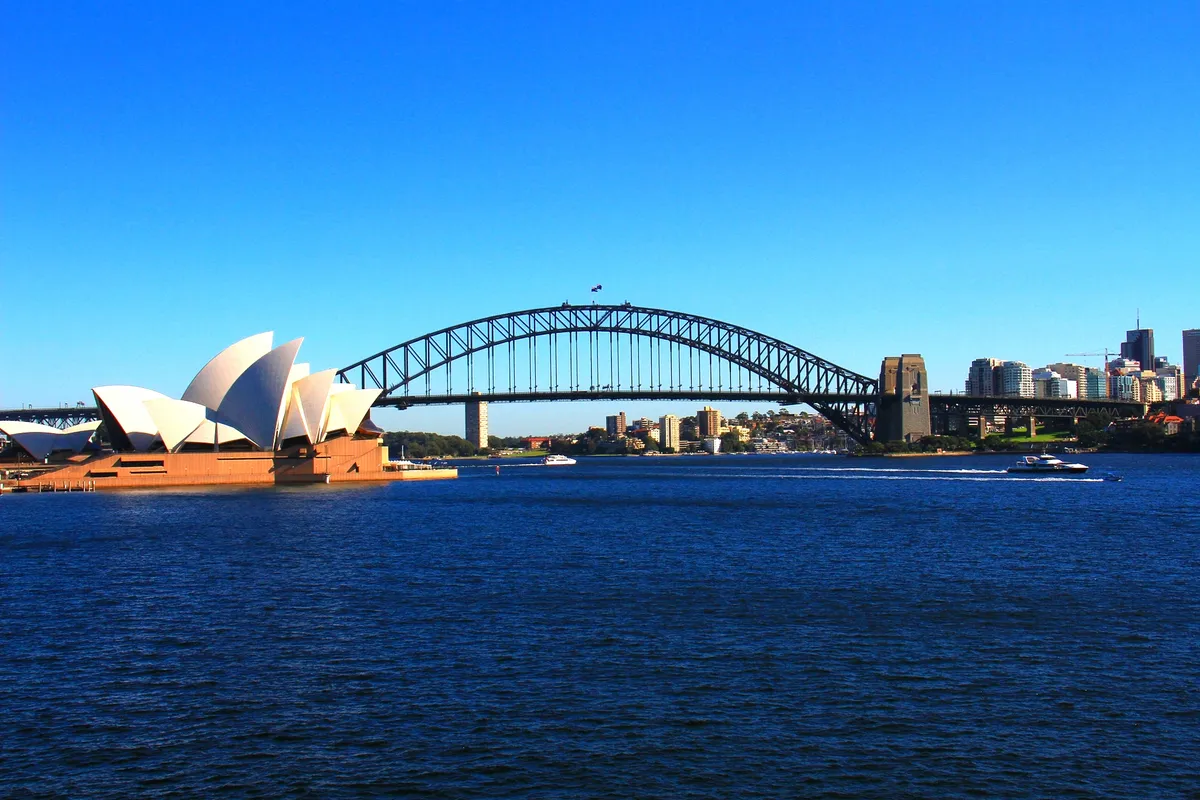
Sydney - Sydney Opera House and Sydney Harbour Bridge
Melbourne - Great Ocean Road - Port Campbell National Park - London Bridge
Melbourne - Great Ocean Road - Port Campbell National Park - Loch Ard Gorge
Melbourne - Great Ocean Road - Port Campbell National Park - Twelve Apostles
Melbourne - City Scenery
Melbourne - Yarra Valley - Vineyard
Melbourne - Great Ocean Road - Memorial Arch at Eastern View
Melbourne - Great Ocean Road - Apollo Bay - Eagle Rock
Canberra - Parliament House
Sydney - Sydney Opera House
Sydney - Sydney Opera House
Gold Coast - Scenery along the way
Gold Coast - Coolangatta Beach
Gold Coast - Suburban Scenery
Brisbane - Lone Pine Koala Sanctuary - Koala
It’s been a few years since our self-drive trip to Australia. Due to various reasons, it wasn’t until recently that I had the chance to organize the sights and experiences from the journey. First, I want to share the beautiful landscapes and local charm with everyone. Second, I want to let you know that self-driving in Australia is very convenient. Once the pandemic is effectively under control, it’s worth a visit for those who enjoy road trips. Third, the detailed itinerary can serve as a reference for those planning a similar trip, hoping it will be helpful for your travels.
This self-drive trip to Australia lasted 16 days from May 1st to May 16th. We traveled along Australia’s east coast, visiting many cities and attractions including Melbourne, Apollo Bay (Great Ocean Road), Canberra (capital), Sydney, Gold Coast, Brisbane, and Cairns (Great Barrier Reef). The total driving distance exceeded 2,400 kilometers. Although the time was not long, thanks to the advantages and convenience of self-driving, we were able to cover the typical tourist destinations and major attractions along Australia’s east coast in one go.
Melbourne - Fitzroy Gardens
Melbourne - Victorian Arts Centre
Melbourne - Yarra Valley - Vineyard
Melbourne - Great Ocean Road - Apollo Bay - Split Point Lighthouse
Melbourne - Great Ocean Road - Port Campbell National Park - Twelve Apostles
Melbourne - Great Ocean Road - Port Campbell National Park - Loch Ard Gorge
Sydney - Sydney Opera House
Sydney - City Scenery
Canberra - Parliament House
Gold Coast - Surfers Paradise Beach
Brisbane - Lone Pine Koala Sanctuary - Kangaroo
Cairns - Kuranda
We arrived in Melbourne, Australia on the evening of May 1st by plane from Christchurch, New Zealand. On May 2nd and 3rd, we spent two full days exploring Melbourne using public transport and taxis. After staying in Melbourne for two nights and three days, we left for Apollo Bay (Great Ocean Road) on the morning of the 4th, officially beginning our self-drive journey with a rental car.
We rented cars twice during this trip. The first rental was in Melbourne. We drove along the Great Ocean Road, through Canberra, Sydney, Gold Coast, and other places, stopping and sightseeing along the way. After covering over 2,200 kilometers, we arrived in Brisbane. After finishing our tour in Brisbane, we returned the car and flew to the last stop of our Australian self-drive trip—Cairns (Great Barrier Reef). For the second time, we rented another car in Cairns and drove until we left.
Melbourne - Great Ocean Road - Port Campbell National Park - London Bridge
Melbourne - Great Ocean Road - Port Campbell National Park - Loch Ard Gorge
Sydney - Sydney Opera House
Sydney - Queen Victoria Building
Melbourne - City Scenery
Gold Coast - Coolangatta Beach
Gold Coast - Surfers Paradise Beach
Cairns - Great Barrier Reef
Cairns - Great Barrier Reef - Moore Reef - Sea Walker training
Cairns - Great Barrier Reef - Moore Reef - Sea Walker
Cairns - Great Barrier Reef - Moore Reef
Cairns - Great Barrier Reef - Moore Reef - Snorkeling
Australia has a vast territory and a sparse population, with cities far apart. The conventional tourist route along the east coast spans over 4,000 kilometers. If traveling with a tour group, aside from the rushed and superficial sightseeing that many complain about, tours to the Great Ocean Road, Sydney, and Melbourne generally do not go to Cairns (Great Barrier Reef); conversely, tours to Cairns do not go to the Great Ocean Road, Sydney, or Melbourne, because the distance between them is too great—several thousand kilometers. Moreover, places like the Gold Coast and Brisbane are usually not included in package tours. Therefore, from this perspective, self-driving is the best choice for touring Australia.
Australia has a developed economy and well-established tourism service facilities. Its extensive road network and simple, reliable car rental services provide a solid foundation for self-driving. The experience of self-driving here is convenient, efficient, comfortable, and enjoyable. Particularly noteworthy is that rental companies offer affordable one-way rental services, meaning you don’t have to worry about backtracking. This is especially important for self-drivers, as it reduces many hassles and saves a lot of time. This is definitely worth commending.
Melbourne - Federation Square
Melbourne - Yarra Valley - Vineyard
Melbourne - Great Ocean Road - Port Campbell National Park - Gibson Steps
Melbourne - Great Ocean Road - Port Campbell National Park - Twelve Apostles
Canberra - Suburban Scenery
Sydney - Sydney Harbour Bridge
Sydney - Sydney Opera House
Melbourne - Fitzroy Gardens - Conservatory
Gold Coast - Coolangatta Beach
Gold Coast - Surfers Paradise Beach
Brisbane - Lone Pine Koala Sanctuary - Koala
Cairns - Kuranda
1. Car rental companies in Australia offer options ranging from budget to luxury, suiting different budgets. It’s best to purchase full insurance. Although full insurance adds significant cost, it’s money well spent, as it greatly reduces risk in case of an accident. With full insurance, the rental price is slightly higher than in China; without it, the rental price is cheaper.
2. Public transportation in Australia is quite developed. The 2,400-plus kilometers we drove were mostly flat roads and highways with good conditions. Either a sedan or SUV would suffice.
3. A driver’s license notarized in China with an English translation allows you to drive there. However, cars in Australia have right-hand drive and drive on the left, opposite to China. You may feel a bit unfamiliar when first picking up the car, but experienced drivers usually adapt quickly. Before traveling abroad, it’s advisable to learn about local traffic rules online. When away from home, always follow the rules to ensure safety.
4. Parking in cities is generally paid. Most roadside parking spaces accept payment via meter cards or coins. Some areas restrict parking duration, sometimes as short as 15 minutes. Never park in spaces reserved for the disabled, as fines can be heavy. Parking and payment methods vary, so be sure to read the signs carefully, or you may receive an unexpected ticket.
Melbourne - Yarra River
Melbourne - St Paul’s Cathedral
Melbourne - Yarra Valley - Vineyard
Melbourne - Great Ocean Road - Apollo Bay - Bells Beach
Sydney - Darling Harbour
Gold Coast - Coolangatta Beach
Cairns - Port Douglas
Gold Coast - City Scenery
Sydney - Sydney Opera House - Night View
Melbourne - Great Ocean Road - Great Otway National Park - Wild Koala
5. For self-driving, apartment hotels or suburban motels are good choices. Most offer free and convenient parking. Small kitchens allow you to prepare simple meals to suit your taste.
6. Finding Chinese restaurants is easy in big cities like Sydney and Melbourne, but rare elsewhere. However, the food at these restaurants is often adapted, tasting quite different from what you’d get in China, and prices are not cheap. Buying ingredients from supermarkets or seafood markets and cooking yourself is both tasty and affordable. Lobster and oysters there are really delicious—if you have the chance, be sure to enjoy them. Traveling is not just about feasting your eyes, but also your taste buds.
7. Australia is in the Southern Hemisphere. Although the time difference with China is only 2-3 hours, the seasons are completely opposite. December to February is summer, March to May is autumn, June to August is winter, and September to November is spring.
8. The climate in May was generally good. However, because we visited many places over a large area with great distances, the temperature varied significantly. From just a few degrees Celsius on the Great Ocean Road to nearly 30°C at the Great Barrier Reef, we needed clothes for almost every season.
Melbourne - Carlton Gardens - Royal Exhibition Building
Melbourne - Great Ocean Road - Port Campbell National Park - Gibson Steps
Melbourne - Great Ocean Road - Port Campbell National Park - London Bridge
Grafton - Bed and Breakfast
Canberra - Apartment Hotel
Canberra - Apartment Hotel
Grafton - Scenery along the way
Gold Coast - Suburban Scenery
Gold Coast - Suburban Scenery
Gold Coast - Coolangatta Beach
Brisbane - Lone Pine Koala Sanctuary - Koala
Cairns - Great Barrier Reef


