Luxembourg: The Steel Giant
What do Shanghai Jin Mao Tower, Shanghai World Financial Center, Beijing New Poly Plaza, and the world's tallest building, Burj Khalifa, have in common? They all used Luxembourg-made steel during construction.
Which country has the highest per capita income in the world? It is Luxembourg.
Luxembourg's financial and steel industries are highly developed, earning it a reputation as Europe's financial center and steel base.
Iron ore resources are among Luxembourg's relatively abundant resources. By exploiting iron ore, Luxembourg has greatly increased its wealth. Most of these iron ore resources are distributed in the 'Red Earth' area of the southern plain. The soil in the 'Red Earth' area appears reddish brown because it has a very high iron content and is rich in iron ore resources.
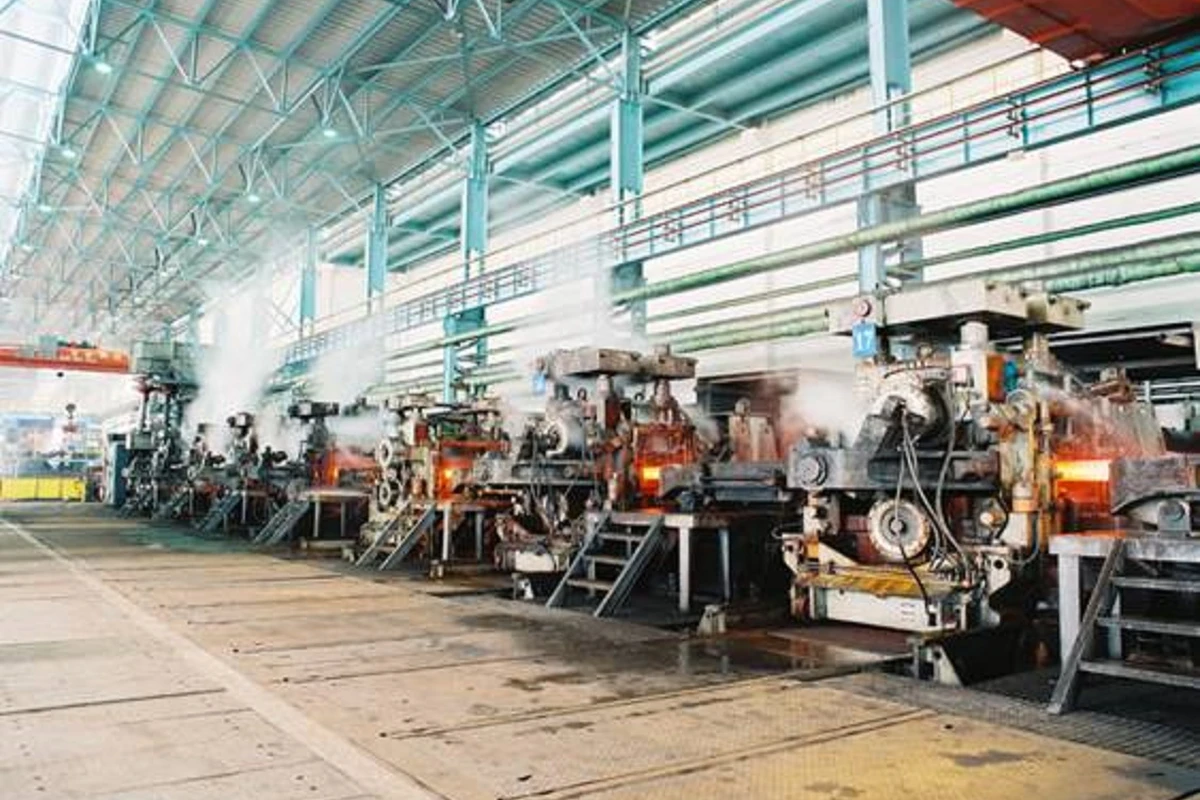
Luxembourg has vast iron ore resources of high quality. Building on this, it developed an advanced steel industry, including derivative industries based on steel, forming a complete industrial chain from mining, smelting, forging, and dozens of other processes, making it a world steel power.
Although Luxembourg has a small area and population, it possesses huge iron ore reserves of nearly 300 million tons. Moreover, the Luxembourg government was very shrewd, never directly selling raw iron ore to other countries for money. As early as 1858, it built the country's first coke-blast furnace for steelmaking and gradually established the world's most developed and complete steel industrial system. After World War II, the metallurgical industry became Luxembourg's only pillar industry. In 1970, Luxembourg's steel production peaked at 5.46 million tons. In 2019, domestic steel output was 2.228 million tons, accounting for 1.5% of GDP, and per capita steel output has consistently ranked first in the world.
Luxembourg is close to the Alsace-Lorraine iron ore fields in northern France and the Saar coal mines in Germany, giving it a natural advantage for developing the steel industry. The steel industry is Luxembourg's traditional industry and the most important sector in its industrial field. Currently, it employs about 6,000 people. Luxembourg's domestic steel industry excels in the overall design and manufacturing of steelmaking equipment and the development of production technology and software.
ArcelorMittal, Luxembourg's largest enterprise and the world's second-largest steel group, is headquartered in Luxembourg City. It has branches in more than 60 countries, with a total workforce of about 220,000, including 5,870 employees in Luxembourg. Its steel output accounts for about 8% of the world's total steel production, and its annual sales reach as high as 80 billion USD.
Because of the high quality and craftsmanship of Luxembourg steel, it generates very substantial profits. Luxembourg earns a large amount of foreign exchange, which is the foundation of its prosperity and its status as the richest country in Europe.
In this regard, Luxembourg is similar to some oil-rich Arab countries, but the Luxembourg government has been wiser. They used the money earned from steel to vigorously develop domestic services, tourism, finance, and telecommunications.
Luxembourg reaped high profits and, after the global steel crisis in the mid-1970s, worked to diversify its economy and vigorously develop the financial industry.
In most Luxembourg restaurants, the menus feature sausages and German sauerkraut, as well as pork, game, and river fish. Typical Luxembourg flavors include 'tripala': black pudding with applesauce and mashed potatoes; 'juddmatgardeboenen': salted pork with sautéed potatoes and green beans in cream; 'FrituredelaMoselle': fried small fish; and 'Fesch': whole fish fried in butter.
Typical Luxembourg snacks include potato cake with applesauce and the traditional Luxembourg 'coffee and cake'. Luxembourg's specialties include suckling pig, smoked ham, smoked pork neck, etc. Handmade salty cheese is delicious and worth trying. In addition, the Moselle Valley produces fine wines and beer; and plum wine made from plums is mellow and an excellent accompaniment to meals.
References: Baidu Baike - Luxembourg