Comprehensive Guide: Leisure and Independent Travel in Beijing
Travel dates: Mid-May 2024
Ø Plane: Flights from Shanghai to Beijing are mostly from Hongqiao Airport to Beijing Capital Airport, with a few from Shanghai Pudong Airport to Beijing Daxing Airport. Ticket prices are relatively cheap, depending on personal choice. Except for winter/summer vacations and holidays, airfares are sometimes cheaper than high-speed rail tickets. This time I took the May 12 (Sunday) morning flight Hainan Airlines HU7602 / Shanghai Hongqiao to Beijing Capital Airport / 8:20-10:40, ticket price (including tax) 500 yuan. In the off-season, the fare should be even lower, and the earlier you book, the more favorable the price.
Ø High-speed rail: Shanghai-Beijing high-speed trains are very frequent, with travel times ranging from 4.5 hours to 6 hours, second-class seats cost 662 yuan to 553 yuan, the shorter the time the higher the price. Good time slots on weekends are very popular, so be sure to book in advance.
Ø Airport express: After arriving at Beijing Capital Airport, follow signs to the Capital Airport Express (light rail) directly to the city center, the whole journey takes 40 minutes, ticket price 25 yuan. At the airport subway service counter, use Alipay to scan the code to log in to Beijing public transport, switch to the subway QR code page, then you can scan the code to enter. This code is very useful later; scanning the code for subway rides that day gives a small discount, very convenient.
Ø Subway: Beijing's subway currently has 19 lines and suburban lines, most attractions are along the subway lines, you can transfer between multiple lines, the transfer principle is similar to Shanghai's subway. It is recommended to travel by subway as the best option. Old subway lines also have few escalators, and direct elevators are hard to find in corners; travelers with suitcases have to carry them up stairs. Subway entry and exit security checks are stricter than Shanghai's, almost every bag, big or small, must go through the machine, and people walk through security doors. Overall, the staff have a good attitude and are patient. Exit gates are marked with letters (A, B, C, D...). During weekday rush hours, the subway is quite crowded; it's best to avoid traveling at that time if possible.
Ø Bus: Use the Alipay travel QR code on the bus interface, just scan when boarding. For some suburban lines, when getting off at the middle door, scan again, and fare is calculated based on the number of stops, regular fare 2 yuan. Each bus has a security guard uncle, mainly responsible for route inquiries, assisting the elderly, weak, sick, and disabled with boarding/alighting, and cooperating with the driver.
Ø Bicycle: On shared bicycle apps, use the nationwide cycling coupon. Beijing's non-motorized lanes are wide, riding is very comfortable. Roadside parking is quite standardized. For some nearby locations, navigation may show that cycling saves time and effort.
² Road names and signs: Beijing roads are usually wide, the city roads are grid-shaped, many road names indicate orientations "east, south, west, north". White signs indicate "east-west" direction, green signs indicate "north-south" direction.
² A red transportation card with "交通联合" (Transport Union) can be used on Beijing's subways and buses.
Ø Shichahai: Almost full of tourists. I cycled there in the evening. Both sides of the lake are full of bars and restaurants, a bit like Wuzhen's Xizha, except it's open and doesn't require a separate ticket. Just walk along both sides of the river and take some sunset photos. If you take the subway to Shichahai Station, at the entrance there is a state-run lamb skewer shop, taste is good.
Ø Yandai Xiejie (Tobacco Pipe Street): From the middle bridge of Shichahai, both sides are drink and snack shops, leading directly to Yandai Xiejie, inside are mainly commercial small shops and restaurants. Just pass through and come out. Among them, the Great Qing Post Office is relatively famous.
Ø Drum Tower: Very close to Yandai Xiejie. The Drum Tower looks great for photos with the sunset. If you go during the day, you can climb up to see the central axis. Ticket 20 yuan/person, individuals currently don't need to reserve.
Ø Nanluoguxiang: Walk from Drum Tower to reach it. It's a long hutong that was developed early into a commercial street. The whole street sells things from the Yiwu small commodity market. Anything labeled "Old Beijing ***" don't buy, it's both expensive and not tasty. Some celebrity residences on non-main roads, if you're interested, you can check them out.
Ø About Hutongs: Beijing now has over 7,000 hutongs. Many are original residents' accommodations, called "dazayuan" (large mixed courtyards), very down-to-earth. Some are very dilapidated when you walk in, comparable to Shanghai's old lane houses/shikumen, with poor living conditions, small area, mostly elderly Beijingers coming in and out. Reminder: Public toilets in hutongs have no sinks.
Ø Shijia Hutong: Known as the most awesome hutong, gathering many siheyuan (courtyard houses) of famous people, most not open to the public now. At the hutong entrance is Shijia Primary School, those who can study there have unusual family backgrounds. There is a hutong museum (No. 24, former residence of Ling Shuhua) that you can visit, restoring the siheyuan life of the past. The museum has scheduled free guided tours, free admission, no reservation needed.
Ø Wudaoying Hutong: Adjacent to Yonghe Temple, a more artistic and fresh hutong, with various coffee shops, small bars, Western-style restaurants, traditional courtyard-converted open-air Beijing hotpot restaurants, vintage jewelry and craft shops. Very beautiful at night.
Ø Guozijian: A hutong parallel to Wudaoying, relatively wider, you can see some antique shops. This street has some siheyuan homes (wealthy families). The Confucius Temple is on this street, ticket 30 yuan. At the end of the street, the archway is the entrance to Yonghe Temple.
Ø Other distinctive hutongs: 1 Dongjiaominxiang: Embassy area, showing churches and various foreign-style buildings. Walk by when going to the National Gift Management Center. 2 Lanman Hutong: Romantic style. 3 Mao'er Hutong: Showcases typical local life, the last empress Wanrong lived here in her later years. 4 Liulichang: Antiques, calligraphy and paintings, the four treasures of the study. There are other hutongs; if you pass by, you can take a look, no need to go out of your way. They are all similar; some hutongs' history is more attractive than their appearance.
Ø Jingshan Park: Reserve in advance on the "Changyou Park" public account, ticket 2 yuan (off flower exhibition season). The park is not large, mainly to climb to the highest point (less than 100 meters) for a panoramic view of the Forbidden City. The tower at the highest point is closed; now everyone can only overlook from the steps and railings by the tower. Bring better camera equipment to capture the full view of the Forbidden City. If you have fully toured the Forbidden City, you can skip this.
Ø Costume photography: Around Beijing's scenic spots, there are many shops renting Princess Gege and court costumes. You can hire professional photographers for a photoshoot, or just rent costumes by the hour. Note: The Forbidden City strictly prohibits bringing in private professional photography.
Ø Corner Tower: Walking from Donghuamen Gate toward the Forbidden City, passing the corner tower, and from Tiananmen Rostrum to the outside of the Forbidden City wall, you can see girls dressed as princesses or in court costumes posing for photos.
Ø Chaoyang Park: A very famous fitness park, with dedicated walking/jogging paths, well-equipped facilities, well managed, free luggage storage boxes at the entrance, free admission.
Ø Xiangshan Park (Fragrant Hills Park): Reserve in advance on the "Changyou Park" public account, ticket 10 yuan. In the suburbs, a bit far, a good place for locals to hike, relatively quiet. There are north, south, and middle routes up and down the mountain. This time I went up and down via the middle route, the path is relatively wide, passing a few small scenic spots to check out. When descending, you can take the cable car, but it was under maintenance so I walked down. The whole hiking activity took most of the day, remember to bring enough water and sunscreen. Next time, I'd like to try the south and north routes, each with different scenery.
Ø Ditan Park (Temple of Earth Park): Many centuries-old trees, all local elderly people exercising, walking with children, the park is square-shaped, facilities very well-developed. Power walking or jogging inside is very enjoyable, sitting on a bench to zone out and relax, finding tranquility amidst the hustle and bustle, achieving the 20-minute park effect. Ticket 2 yuan, no reservation needed. Tiantan (Temple of Heaven) is round, too many tourists, more commercialized.
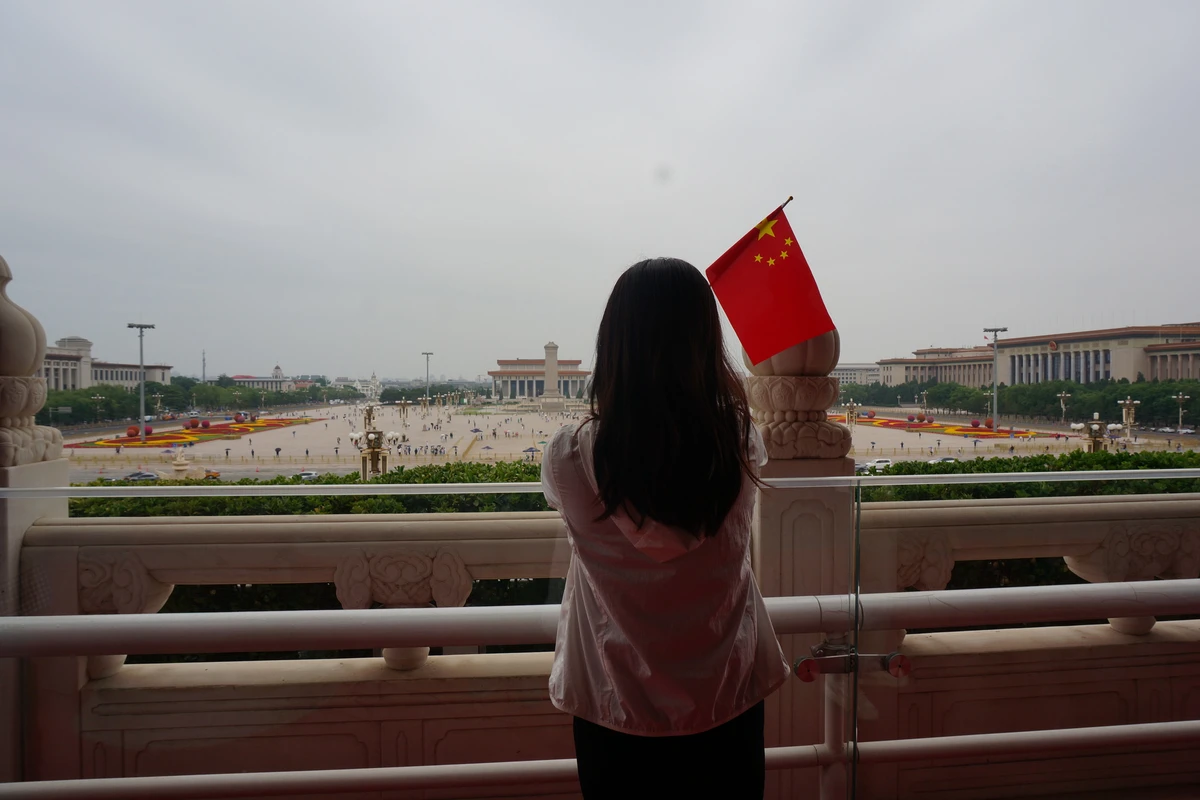
Ø Tiananmen Rostrum: Follow the public account to reserve in advance, hard to get during holidays, it's recommended to set an alarm for the ticket release time to grab a reservation. Ticket 15 yuan. When entering the Tiananmen area, at the subway exit you need to show ID and go through two security checks. Enter from one side of Tiananmen to the rostrum, luggage storage (free) is available downstairs. Tip: You can prepare a small national flag in advance to take photos on the rostrum.
Ø Chairman Mao Memorial Hall: Open only in the morning. Follow the public account to reserve in advance, individual reservation quotas are few, travel agency group quotas are slightly better. Tickets are gone almost instantly after release, probably due to limiting individual numbers. Closed for major events.
Ø Central Gift and Cultural Relics Management Center: A new museum that just opened in recent years, on the side of the Beijing Archives Building, near Dongjiaominxiang, can be arranged to visit together. Follow the public account to reserve, currently free. The museum is very grand, with two floors of modern exhibition facilities, you can enjoy the national treasures given by leaders of various countries when visiting China. The exhibit glass is high-definition, and you can currently view these exhibits up close. Not many people, very eye-opening, highly recommended!
Ø Customs Museum: I heard it's also good and very impressive, didn't go this time, can only make up for it next time.
Ø Yonghe Temple (Lama Temple): Incense is more prosperous on the 1st and 15th of the lunar month, free incense is provided. It's best to check in advance what to pray for, there are detailed explanations on Xiaohongshu. Many people come specifically to have their bracelets blessed. Before the gates open in the morning, there is already a long line at the religious items distribution center at the entrance.
Ø Wanshou Temple (Longevity Temple): A niche temple, an imperial birthday celebration temple, the courtyard is relatively quiet, exhibiting some antique jade articles, ticket 20 yuan.
Ø Zhihua Temple: Ancient China's royal musical instrument museum, online reservation, free for the first 200 on Wednesdays, scheduled free guided tours and ancient musical instrument performances. Didn't go this time, plan to see it next time.
Ø Others: Fahai Temple, Fayuan Temple, Yuetan Park, Yangmeizhu Xiejie, Zhongshan Park, etc., to check out next time.
Ø Great Wall: The farthest attraction, but a must-visit for first-timers to Beijing, although I didn't go this time. Based on last year's experience: If 3-4 people, it's recommended to rent a car for a self-drive to the Great Wall on this day, more comfortable, saving energy for climbing later. You can prepare some food in the car to replenish energy when hungry while climbing. Set off from the hotel before the morning rush hour, otherwise you'll be stuck in traffic in the city for a long time. Parking at the Great Wall is relatively convenient. The Great Wall has two sections open to tourists: (1) Badaling Great Wall: Magnificent and wide paths, most tourists go there. (2) Mutianyu Great Wall: Steps are a bit high, the journey is a bit farther than Badaling, the scenery is better, more foreign tourists. Both sections have cable cars, no discount policies. Also need to follow the public account to reserve and buy Great Wall tickets and cable car tickets in advance. On holidays, there are many people, remember to bring a small national flag (a practical photo prop)!
Ø After visiting the Great Wall, return to the city around evening. Drive directly to the city's Bird's Nest and Water Cube to take night photos, just take photos of the exterior, no need to enter. Finally, drive back to the hotel and return the car.
² Almost all attractions in Beijing require reservations. You can enter keywords of each attraction on WeChat to follow the public account, with detailed instructions. Pay attention to ticket release times for popular attractions. For many famous parks, directly follow "Beijing Changyou Park" without following each separately; information is relatively centralized. Bring your original ID card to every attraction. If you have already purchased tickets online, just scan your ID at the entrance to enter.
Ø Recommended snacks: Electric-grilled lamb skewers, beef skewers, palace beef pancake, door-nail meat pie, candied hawthorn, sesame cakes, pork and fennel potstickers, cold noodles... Many more not listed, choose based on the scene, portions are larger than in Shanghai.
Ø Local snack tasting: Luzhu (braised pork offal), Douzhi (fermented mung bean juice), Chaogan (stir-fried liver), Baodu (quick-boiled tripe), Lvdagunr (glutinous rice roll with sweet bean flour)... It's advisable to just buy one portion and share among a few people to taste.
Ø Gui Jie (Ghost Street): A food street, Hu Da Restaurant (always queues), various hotpot restaurants, barbecue, Sichuan cuisine, Cantonese cuisine...
Ø Niujie (Ox Street): A halal street, where the flagship stores of Hui and Xinjiang cuisine are, mainly selling beef/lamb and northern-style pastries. Many restaurants have takeout windows with queues.
Ø Huguosi Snack Shop: A shop that summarizes various Beijing snacks, very complete variety, a one-stop place to eat local snacks.
Ø Daoxiangcun: Do not buy from so-called "Old Beijing Daoxiangcun" shops at tourist spots; look for the "Sanhe" logo. Daoxiangcun near residential areas, locals buy fresh food there. Especially if there's a lamb skewer window at the entrance, that's definitely a genuine Daoxiangcun shop.
Ø Recommended restaurants: Ju Baoyuan (hotpot), Xinqiao Xiaoguan (stir-fried dishes), Xinhe Xiaoguan (stir-fried dishes), Siji Minfu (roast duck), South Gate (hotpot), Siheyuan Hotpot, open-air hotpot restaurants, Renhe Siji (hotpot), Hutong dishes.
Ø Other: Snacks and restaurants on the pedestrian streets at attractions are mostly run by non-locals, local Beijingers would never eat there. Shops near attractions with extremely high Dianping scores are all tourists, really just average.
Ø Beijing's beef and lamb are very fragrant. If you don't mind the environment, you can try the local "fly restaurants" and small eateries in hutongs, where you can hear locals chatting with a Beijing accent everywhere. Large portions, economical and affordable; stir-fried dishes may not be sweet and could feel a bit salty. Local drinks: Beibingyang (Arctic Ocean), Beijing Dayao. Beijing also has restaurants representing all provinces' official offices, if you miss your hometown cuisine, you can also check them out.
Ø Chain hotels: Near subway stations from the Second to Fourth Ring Road: Atour, Ji Hotel, Mercure, Manxin, etc. Prices are higher on weekends and during winter/summer vacations.
Ø Hutong homestays: Private residence conversions, management and facilities may be insufficient, small areas, some noise, location is the main advantage. Not recommended to stay in very low-priced homestays, choose to book on reliable platforms.
Ø Star-rated hotels: Choose according to your budget, not necessarily staying in the busiest downtown area, the key is to be near a subway station. It's best if the surroundings have residential areas, so you can experience the local lifestyle and everyday atmosphere of old Beijing.
² The above aspects are only personal experience and views, hopefully can serve as a reference. In short, off-peak travel and understanding local cultural information in advance can greatly improve travel quality. Also, maintaining a calm mind and relaxing mood is the key to achieving the true meaning of travel.


