Yixian: A Qingming Visit Could Be More Meaningful
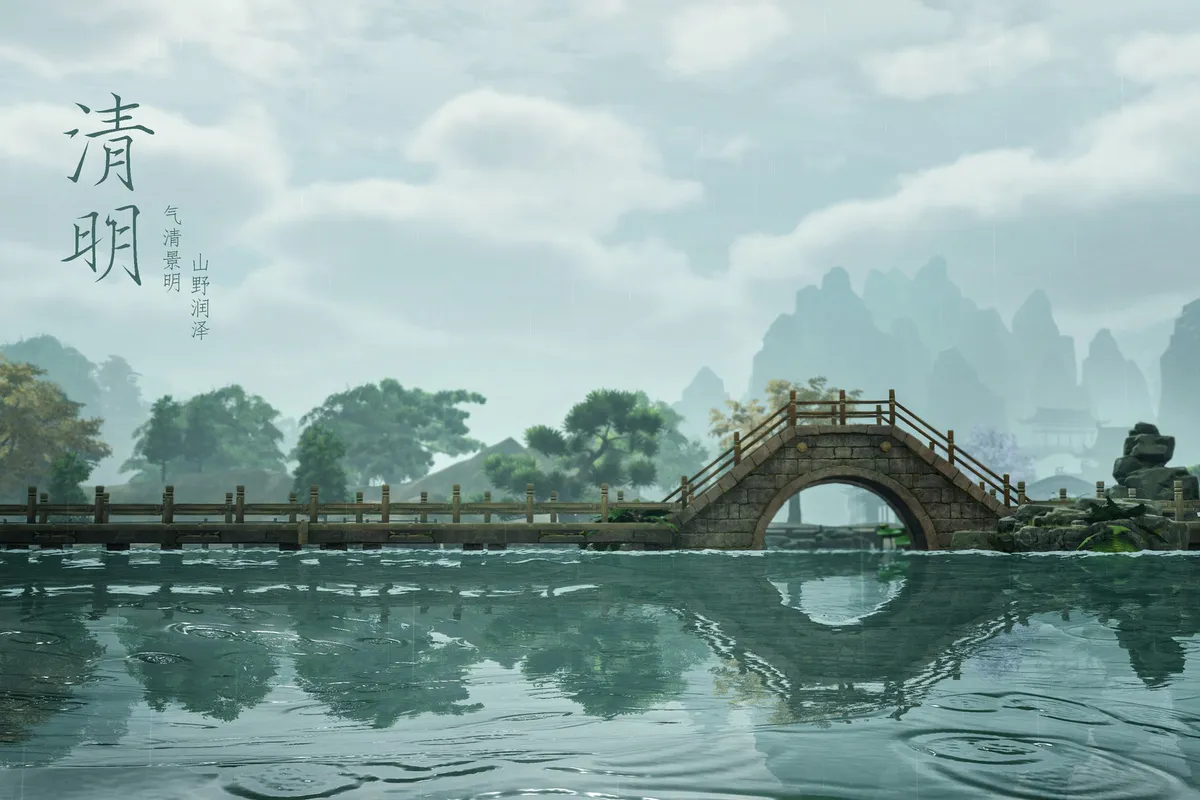
Pear blossoms in the breeze herald Qingming; wanderers leave town half in search of spring. With the pitter-patter of spring rain, the lush green world is shrouded in a subtle melancholy. The first statutory holiday after the Spring Festival, Qingming, steps gently out of time amid the misty drizzle.
As one of China's four great traditional festivals, Qingming holds a significant place. It is said to originate from ancient ancestral worship and spring sacrificial rites. This is a time not only to honor ancestors and pay solemn tribute to the past, but also a moment when all living things "exhale the old and inhale the new," and the earth is radiant with spring—perfect for an outing.
In Yixian, this festival feels even more meaningful. After all, the Western Qing Tombs—the largest, best-preserved, and most complete imperial mausoleum complex from the Qing Dynasty—stand here, alongside Langya Mountain, where Red Army martyrs rest in eternal sleep. Tracing even further back, the ancient state of Yan from the Spring and Autumn and Warring States periods has also left its mark on this land.
During the three-day Qingming holiday, after sweeping tombs and offering sacrifices, friends from Yixian, Beijing, Tianjin, or Baoding can choose to visit the Western Qing Tombs. There you can glimpse the final glory of the Qing Dynasty and touch a history separated from us only by the passage of time.
It is very quiet here. The splendors of a century ago have left behind only exquisite architecture for later generations to admire. The emperors, empresses, and consorts resting here will tell their stories through silence on this special day.
If you wish to roam the mountains and waters, Langya Mountain is also a wonderful destination. The breath of spring has brushed the hills green; nameless grasses and trees burst forth with vigor, so vibrant they lure birds to sing sweet melodies among the branches, echoing through the woods.
The spirit of the Red Army is preserved in the Exhibition Hall of the Five Heroes of Langya Mountain. Inside, over 110 photographs and 98 artifacts recreate the fiery years 60 years ago when the five heroes and the people of the old revolutionary base fought side by side in bloody resistance.
To delve into Yan-Zhao culture, the Babai Tower (Eight Bows Tower) in the ancient Yandu City offers a sweeping view. There is not only a cultural experience hall and folklore museum, but also a multitude of ancient objects once sunk deep in the river of time. Strolling through floor by floor, time flows forward yet simultaneously retraces its steps, unfurling a lavish scroll of history before your eyes.
Qingming Festival is destined to be a time brimming with memories. During this short three-day break, paying respects to our ancestors, honoring their souls, and carrying forward their aspirations may well make these moments all the more meaningful.