Summer Check-in Spots in the Pearl River Delta! Ultra-Authentic Dishes to Beat the Heat!
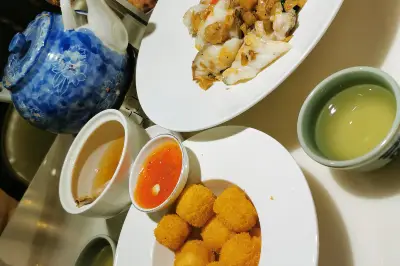
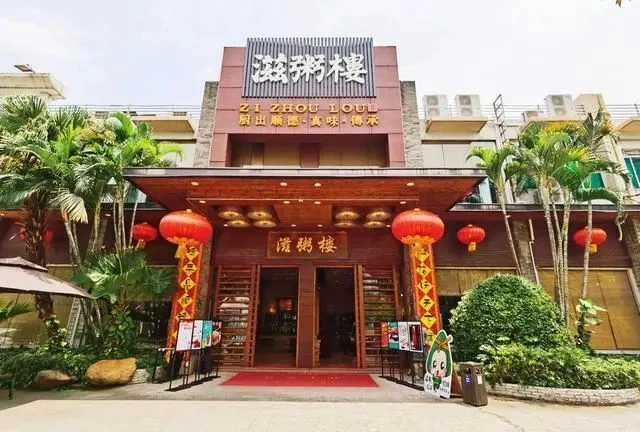
In Guangzhou's sweltering weather, going out to eat almost feels like a chore. But Huahua recently checked out several specialty restaurants in Guangzhou and nearby areas and was pleasantly surprised to find they completely rescued a summer-dimmed appetite! "Zi Zhou Lou" – The kitchen hails from Fengcheng, and the essence of Shunde cuisine lies in transforming common Chinese fish into sublime creations. Huahua was lucky; just half an hour from downtown Guangzhou, in Panyu, you can find one of food critic Cai Lan's 23 favorite restaurants—Zi Zhou Lou, famous across the Greater Bay Area for passing down authentic Shunde flavors. Founded in 2005, this Shunde delicacy restaurant's name implies "contentment is happiness." Its over 3,000-square-meter venue is located at Panyu Square, the heart of Panyu, seating over 800 diners, and has won honors like "China's Top Ten Specialty Hot Pots." Shunde people's cooking philosophy is: eat seasonally, never cook without freshness, never use inferior ingredients. Zi Zhou Lou follows this creed and pursues perfection in color, aroma, flavor, and presentation. Starters: Chilled fish skin and truffle Arctic surf clam with winged beans. Flavorful fish skin and winged beans as starters are fail-proof, while the truffle aroma bursts from the crisp beans and at times emerges from the tender surf clams—creative bonus points! Ancient method roast goose: The skin is crispy and meat fragrant, with a golden layer of fat beneath the skin perfectly proportioned. Huahua couldn't resist and had several pieces! Signature: Congee hot pot. A pot of pristine white congee may look simple, but achieving it well is far trickier than it appears. In its first year, Zi Zhou Lou went through seventy to eighty trials and improvements before finally settling on a mix of japonica rice, oily-sticky rice, and fragrant rice for the congee base—healthy, nourishing, smooth and perfectly textured. According to the chef, when the restaurant first opened, customer volume wasn't high, but as demand grew and supply ran short, to maintain the congee's quality they switched to steam-heated pots. So even though a single outlet now serves up to 300 pots daily, the quality remains consistent no matter when guests arrive. Suo Gu fish, sliced razor-thin: This congee hot pot dish is one part of the classic Shunde "one fish, three ways." The fish is Suo Gu fish raised in Qingyuan reservoir's Beijiang water; after a slimming process, its weight is strictly controlled between 3.8–4.3 jin (approx. 1.9–2.15 kg) and length around 38 cm—only those meeting the mark pass the chef's scrutiny! Each slice is so thin and alluring. Quickly blanched in the congee, the congee's sweetness highlights the fish's freshness, while the rice coating makes the texture even more tender. Everything that can be said about masterfully cooking and enjoying fish comes to life on the palate. Supreme seafood platter: When doing congee hot pot, any flaw in ingredient quality is sharply magnified, but every item on the seafood platter stands tall without reservation, performing a spectacular show in your mouth after being swished in congee. "Mandarin duck" snowflake fatty beef: Stewed beef with white rice is a fail-proof combo, but for Huahua, snowflake fatty beef with white congee hot pot is even more sublime—the tender meat and rice broth entering together feel wonderfully substantial. Hand-pounded dace paste: They say Shunde chefs' deft knife skills are astonishing, and making dace paste, a Shunde home-style dish, is perhaps the best proof of their expertise in processing fresh fish. Huahua's tip: dace paste pairs superbly with bird's eye chili, green pepper rings, and soy sauce! Golden youtiao (fried dough stick): With over 1,000 sold daily per outlet, the golden youtiao is undoubtedly the collective favorite of Zi Zhou Lou's guests! The youtiao has a cute yet crisp character—shaped like a carrying pole (thick at both ends, thin in the middle), its inside crisscrossed like a loofah sponge, and a "chrysanthemum heart" center—it's crispy, fluffy and even carries a hint of chrysanthemum fragrance. Cai Lan has visited multiple times for it and raved about it on his shows! Ancient method steamed fish head: This second style of "one fish, three ways" is a traditional dish of Shunde boat dwellers. Every piece of fish head is cut evenly by the chef's skill, ensuring uniform flavor when tossed with sauce. The fish head is steamed on a bed of bitter melon slices, the bitterness and sweetness complementing each other perfectly—no better choice to go with rice! Pan-fried tail bone and belly: This is the final style of "one fish, three ways." Once brought to the table, the fragrance wafts everywhere; Huahua was already drooling... Feng Sheng Shui Qi ("wind and water rising"): This auspiciously named private kitchen dish is another renowned Shunde classic that captivates countless diners, testing the chef's knife work and ability to harmonize ingredients. Yellowfin tuna, giant river prawns, wild pit carp, and Arctic surf clams take center stage, while shredded kaffir lime leaf, pickled ginger, ginger shreds, pickled allium chinense, green pepper shreds, carrot shreds, sesame oil, and soy sauce play supporting roles. Tossed together, it reveals spring's vibrant colors—truly winds and waters rising. Crispy-skin double-skin milk: This dessert, polished off by Huahua in a flash, is undoubtedly Zi Zhou Lou's beauty and sweetness ambassador—no arguments accepted! If you too have a soft spot for Shunde cuisine, follow Huahua to seek it out. "Shunde Song Ji" – Cantonese people are famously fond of fresh food, and Shunde cooks, who strictly follow the seasonal, fresh, and quality-first creed, are celebrated for knowing how to create and appreciate freshness. Founded in 1988 in Ronggui, Shunde, Song Ji has won numerous consecutive culinary awards by perfecting the ultimate fresh hot pot—the plain water hot pot. Huahua usually self-drives to the original Ronggui, Shunde location, but when not in the mood to drive, she heads to branches in Guangzhou's Baiyun, Haizhu, and Liwan districts to satisfy cravings. All ingredients at the branches are delivered from the Ronggui main store to ensure uniform and premium quality. The décor varies at each location; Huahua likes the branch on the 6th floor of Cloud 6, CapitaMall Baiyun, because she can shop first and then feast—haha! Since its inception, Shunde Song Ji has insisted on plain water hot pot, as the founder firmly believes that "going out to roll has its rules." Hollow slogans won't bring success; earnest adherence to these rules is the foundation of Song Ji's status as Shunde's hot pot icon. To ensure the water doesn't affect the ingredients, Song Ji strictly filters the water used for the pot. Daring to use plain water means ingredients must be the best available in season and at that moment; they'd rather earn a little less than use unsuitable ingredients. Thus, dace paste isn't offered until autumn, and rooster testicles are supplied in limited quantities. It provides only the most basic Cantonese condiments like shredded ginger and spring onion that pair perfectly with the hot pot, plus tangy pickled papaya and carrot with young ginger as a pre-meal bite, never mixing in Hunan or Sichuan flavors. Each table is served by a dedicated staff member who manages the ingredient sequence, blanching, and heat control—they are each table's personal "chef." Huahua got the gossip: every staff member who cooks at the table must undergo a month's training before going solo! Plain water hot pot should be, aside from eating fish raw, the cooking method that tests ingredient quality the most. At Song Ji, Huahua recommends must-order items: signature pig intestine, Jiangxi grass-fed chicken, large mud carp, fresh rooster testicles, pork large intestine, various handmade meatballs, pork platter, beef platter. Let's first have a "taste" through Huahua's camera and vlog! Handmade meatballs: pork meatballs, beef meatballs, cuttlefish meatballs. Genuine handmade meat pastes are recommended to be eaten early in the hot pot; the smooth, bouncy texture instantly gives you a "tsa tsa tsa" joy. Originating from Shunde, Song Ji adds traditional ingenuity: dried tangerine peel, a local specialty, goes into the beef paste, giving a sweet citrusy aroma alongside the beef flavor; sesame seeds are mixed into the pork paste, making the simple, familiar ingredient even more silky and tasty. Signature pig bamboo intestine: The pig bamboo intestine is incredibly fresh and thick. Must-order, must-order, must-order—important things said thrice! Don't assume every piece looks identical; the restaurant's owner personally selects from daily deliveries from various slaughterhouses, often discarding more than 50% before the remainder reaches the table! Once the intestine goes into the pot, Huahua can't tell when it's just cooked. That's when the staff lady performs her magic—she controls the heat, watches the intestine curl, and soon scoops it out for us! Each chewy, tender section is bursting with savory richness; savoring it slowly is the best way to honor the pig's contribution! Large mud carp: Many know the sweetness of mud carp but are deterred by its small bones. Song Ji specially selects large mud carp averaging three jin (approx. 1.5 kg), ensuring sweetness without any muddy smell and making the small bones less worrisome. After putting in fish slices over high heat, don't stir to avoid breaking them. Once the water boils, cover briefly, then uncover and let them cook gently in simmering water. Huahua's tip: enjoy the plain fish slices with fresh shredded ginger and a touch of oil—perfect without soy sauce! Pork platter: pig cheek, pig tooth meat, pork liver. Song Ji's pork platter takes a less-trodden path selection-wise, including liver, pork neck ligament, pig cheek, and pig tooth meat. Pig cheek, as springy and smooth as Huahua's own cheeks (she jokes), has no gamey odor (Huahua always thinks head-area meats are stronger). You won't tire of it even after consecutive bites! Pig tooth meat, the waitress explained, is actually the pig's jaw muscle; each pig yields only four small pieces, fewer than the neck. A mix of lean meat, tendons, and cartilage, it's chewy and crisp—quite a surprise. All meat at Song Ji is served with Chinese chives, a natural partner for meat, and liver and chives are especially seamless. Huahua's companion likes the fresh, creamy liver with shredded ginger, savoring the unbeatable rich flavor. Beef platter: beef tongue root, beef shank. Beef tongue root is where the tongue meets the throat at the very base; it looks unremarkable but chewing it releases a sweet, milky fragrance—Huahua nearly thought she was imagining flavors! One more reminder: Chinese chives, just briefly scalded in plain water, are a perfect match for beef! Dessert: Hé. At Song Ji, Huahua discovered another traditional Shunde snack—hé, low in sugar, soft and glutinous with a fragrant leafy aroma. After a big meal, it's a guilt-free finish. Oh, and the restaurant gives it as a complimentary treat rather than selling it; a bit willful, but Huahua loves it! Huahua feels that nowadays it's hard to find a meal where the taste isn't almost entirely swayed by sauces. Even more rare is that during a two-hour hot pot at Song Ji, the textures and flavors never get boring; it keeps you pleasantly delighted with freshness, smoothness, and succulence, without being aggressive. "Sei Sushi" – Originating from the Tokyo Sushi Academy in Japan, Sei Sushi has been established for eight years, always upholding a sincere philosophy toward diners. Every sushi chef follows Edomae sushi techniques, so Guangzhou locals have long said you can experience the most authentic sushi cuisine here. The spacious, elegant interior with dark brown-red wooden tables, chairs, and warm yellow lighting creates a strong Japanese ambiance, making you feel secure and relaxed. The restaurant is clearly zoned: diners can sit at large square tables in the main hall, in private, high-privacy tatami rooms, or at the sushi counter to enjoy table-side nigiri. At Sei Sushi, the signature dishes and Instagram-worthy recommendations are all must-orders! (Above two pictures from Sei Sushi's online images) Sei Salad: This popular salad, with over 100,000 servings sold in eight years—salmon, crab roe, tuna, lettuce, and cherry tomatoes—brings summer forward with their fresh sweetness! Tamago skewers: Thick, custardy tamago is enjoyed by all ages, freshly made with Japanese eggs, with a rich egg aroma that doesn't overpower the various toppings, whichever skewer you choose is a perfect ten. Sashimi platter: The restaurant thoughtfully arranges staff in kimono; a beautiful lady carrying the sashimi platter creates a serene, elegant Japanese tableau. The platter features seven fresh air-flown ingredients from Japan, including bluefin tuna belly, live ark shell, Hokkaido scallop, salmon belly, and salmon roe, plus complimentary botan shrimp. Each piece stirs a craving for sumptuous, fatty delights. Grilled beef tongue: Another popular dish arrives sizzling hot! Grilled to medium, the tongue is bouncy and juicy, locking in its savory juices perfectly. As the tongue's fat drips onto the charcoal, it sends up wisps of smoke, and the occasional crackle sharpens the appetite. Sei table-side nigiri: Table-side nigiri is called "omakase" in Japan, meaning "chef, I leave it to you." Due to high demands on ingredients and sushi chefs, it's rarely offered at ordinary Japanese restaurants and sushi shops. As a directly-operated branch of the Tokyo Sushi Academy in China, Sei Sushi provides table-side nigiri to bring the most authentic Japanese sushi to diners. The 7°C chill of sashimi meets the 37°C warmth of sushi rice, creating a unique layered sensation. Yet because of the temperature difference, if left too long they disrupt each other—the rice cools and the fish warms and leaks moisture—so the ideal tasting window is within 10 seconds. Sei Sushi's table-side nigiri allows Guangzhou locals to taste sushi at its perfect temperature and flavor, and also fosters full interaction between the sushi chef and guests around the counter. It requires advance booking, but what sushi you'll have that day depends entirely on that day's ingredients and the chef's improvisation, reflecting the restaurant's confidence in their supply and the chef's confidence in his skills. During the one-on-one service, the chef pours his heart into every piece: hand-pressing warm rice, gently placing fresh fish, shaping with both hands, dabbing freshly ground wasabi, brushing on oil before plating—each motion is an embodiment of the craftsman's sincerity. The sushi chef explained that to let diners better appreciate the original flavors of the 11 air-flown premium ingredients, they begin with lighter white fish and transition through layers of flavor, with the final tamago being a dessert specially chosen by the chef to complement the preceding 11 pieces. Huahua's omakase spread included tuna toro sushi, sea urchin sushi, spear squid sushi, and more. Out of respect (a foodie's fundamental attitude toward great food), Huahua quietly savored each piece within its 10-second lifespan—the ultimate taste bud euphoria sent her floating! Three ways to enjoy eel rice: Now is the best season for eel, and Sei Sushi's eel rice is hugely popular. Thick, glazed kabayaki eel is perfect straight with rice or paired with wasabi, seafood tea broth—all high-score choices. Huahua also uncovered hidden menu items: onsen egg with torch-grilled foie gras and the latest beverages. They each have fascinating little stories behind them—want to know more? Come to Sei Sushi to unravel the secrets~ After reading Huahua's introduction, are you drooling yet? Huahua is certainly reminiscing again! Hurry on and follow Huahua's footsteps to pamper your stomach!