Entering via Osaka, Departing from Tokyo: Experience Japan's Most Authentic Cultural Feast! — A Journey Through Kanto, Kansai, and Mt. Fuji: Culture, Cuisine, and Hot Springs (8-Day Independent Travel)
Preface: This trip stems from my long-standing passion for hot springs. I always longed to soak in a quiet hot spring in the forest while light snow fell on a winter afternoon. Just imagining it brought infinite beauty and relaxation, a feeling that lingered in my heart until this journey. After graduating, because we lived far apart, and due to marriage, children... my close friend and travel buddy from six years of college and graduate school became just a contact on my phone. With the strong support of my husband, son, and parents, we finally embarked on a two-person trip that felt like returning to our college days. From researching itineraries, choosing destinations, to booking flights and hotels, we had a deep默契 (tacit understanding).
Time: This trip lasted eight days, departing January 20 and returning January 27. Since we didn't want red-eye flights, we booked Star Alliance flights with a layover, which cost us one day each way. We spent 6 days in Japan: 3 days in Osaka and Kyoto, 1 day at Mt. Fuji, and 2 days in Tokyo. Although we crossed Kanto and Kansai, we booked a night bus in Japan to cover the long distance overnight, saving one day and hotel costs. So the itinerary was quite full.
Cost: Excluding shopping, the trip cost about 9,000 RMB per person. Among this, prepaid expenses (round-trip flights,民宿 (minshuku/guesthouses), hotels, night bus, Suica card, visa fees, mobile communication, etc.) were about 5,300 RMB. This included booking a night at the best hot spring hotel with Mt. Fuji views at Kawaguchiko (Kozantei Ubuya: premium Japanese-style suite) plus meals (private room: kaiseki dinner + Japanese breakfast) for 2,172 RMB (a bit over 1,000 per person). Other expenses included attractions, food, and local transportation. Overall, self-booking was at least 1,000 RMB cheaper than similar package tours during the same period.
Pre-departure Preparations:
- Origin selection: Since we lived far apart (I in Qingdao, my friend in Central Plains), we first considered where to depart. After consulting classmates who had taken Spring Airlines' 9.9 RMB tickets to Japan, we considered Zhengzhou, Qingdao, Tianjin, Beijing, Dalian, and Ningbo. The first two are our respective cities, but it was inconvenient for my friend to come to Qingdao. Tianjin and Beijing had classmates and affordable departures. Dalian and Ningbo had 9.9 RMB deals but the cost of flying there was too high. Finally, we settled on Beijing, which added a few hundred RMB for transportation and accommodation but gave us a chance to visit our alma mater, which felt worthwhile.
- Visa application: Japanese visa is cumbersome. My friend in Henan could apply in Beijing with minimal documents (just ID and education). For me in Shandong, options were limited and required a formal process. We chose China International Travel Service. The staff was friendly. We provided complete materials (bank statements, deposit certificates, income proof, property, education, social security, etc.) and got the visa in a week without a deposit.
- Flight booking: As mentioned, we chose daytime flights with a layover in Seoul because the price was similar to red-eye flights. The layover allowed shopping. The itinerary: Beijing 10:50 → Seoul → Osaka 18:55; Tokyo 9:00 → Seoul → Beijing 14:10. We compared duty-free prices and didn't buy much to avoid extra burden. Round-trip tickets cost 1,850 RMB (tax included).
- Accommodation: We mostly stayed in民宿 (minshuku) to experience Japanese family atmosphere, except at Kawaguchiko where we booked a hotel for the hot spring and Japanese-style room. We used Airbnb. Japanese accommodation includes cleaning fees and service fees. To save on cleaning fees, we stayed at only one guesthouse in Kanto. Osaka location: near Shinsaibashi; Tokyo: near Sensoji. Used discount coupons. Osaka (3 nights): 1,507 RMB; Kawaguchiko (1 night): 2,171 RMB; Tokyo (2 nights): 1,307 RMB. Total: 4,897 RMB (2,493 per person).
- Some attractions require online reservation: Kyoto Imperial Palace and Tokyo Imperial Palace. We missed them due to distance and time.
- Night bus: We chose Willer Express (https://willerexpress.com/cn/) for Osaka to Kawaguchiki. Booked a 3-seat row ticket for 542 RMB (vs. 4-seat row cheaper). Valid 30 days in advance with Visa/Mastercard.
- Transportation cards: We used Osaka One-Day Pass, Tokyo Subway 2-Day Pass, and ICOCA card. ICOCA (bought online for 130 RMB with 1,500 yen stored + 500 yen deposit) is nationwide. Passes purchased at stations with passport.
- Mobile/WiFi: Bought a 7-day SIM card (Softbank) for 112 RMB with 20 minutes talk, 5GB 4G + unlimited 3G. Sufficient for WeChat, maps, etc. Avoid streaming video.
- Insurance: 8-day overseas travel insurance for 88 RMB.
- Apps: Google Maps, restaurant website, shopping scanner, translation, Japan Transit. Useful.
- Additional: Purchased electronic tour guide for 48 RMB covering 50+ attractions (GPS auto).
- Daily essentials: Coat, sweater, base layer (Japan winter doesn't need down), power bank, charger (no adapter needed), toiletries, bed sheet, slippers, warm packs.
We met in Beijing one day early, visited our alma mater (missed the meat pie), stayed near the school. Took taxi to airport (cheaper than subway for two). Arrived 40 min early for 2-hour check-in. Left at 7 am. Wise to arrive early due to winter break. Check-in took 30 min. After security, Beijing airport duty-free shop is affordable and well-stocked. Recommended to browse and store items for pickup on return.
Both flights were Asiana Airlines (Star Alliance). Overall good: clean cabin, spacious, decent meals. But rough landing made us queasy.
Departed Beijing 10:50, arrived Seoul Incheon 13:45. Next flight 17:10 → Osaka 18:55. We had 3+ hours to shop at Incheon duty-free. Note time difference: iPhone auto adjusts but watch shows Beijing time. Seoul is +1 hour.
Arrived Osaka 18:55. After immigration, switched SIM card, Google Maps worked. Saw Mario. Bought Osaka One-Day Pass at airport tourist center (passport required). No prepaid SIM we already had.
Japanese transportation is complex. We pre-planned routes. Used ICOCA to enter subway. Some themed trains are beautiful but we missed them.
Walked to accommodation, enjoying Osaka night scene. Passed many izakayas (Japanese pubs). People inside were loud; outside they are quiet and polite. Japan is very clean. No eating on streets or subway, no trash bins. We ate a snack on the street once (only time), at night.
Our guesthouse was a small building typical of residential Osaka. Mini elevator, room, bathroom—compact but fully equipped.
Day 1: Kyoto one-day trip. Started early. Used Google Maps for route. Osaka morning was quiet and clean, unlike Tokyo's fast pace. Subway was punctual. Trains are classified into 9 types (from Limited Express to Local). Check car type and stops carefully.
Transfer to Fushimi Inari Taisha. Few people in morning. Small shops mostly closed. Bought buns. Map at entrance. Purified hands and mouth at the water basin.
Entered main gate—colorful, majestic. Torii gates mark the boundary between sacred and secular. Fox statues: right fox holds a jewel, left holds a key. Roof style reflects Yayoi period origins.
Inari is the god of business prosperity; many come to pray and later donate torii gates. Thousand torii gates stretch for kilometers up the mountain. We climbed halfway then descended due to time. Used audio guide for history.
Bought large Japanese chestnuts—sweet and delicious. Tried Kyoto-only cola at shop near station.
Next: Sanjusangen-do (across from Kyoto National Museum, which was closed on Monday). Main building 60m long, named for 33 spaces between pillars. No photos inside. Features 1,001 statues of Kannon, including national treasure: seated Thousand-Armed Kannon. Small garden.
Japanese gardens differ from Suzhou gardens—simple, refined, with one step one view.
Next: Nijo Castle. Stone walls, moat, elegant ancient architecture. Built 1603 as shogun's residence. Contains Ninomaru Palace, Honmaru Palace, etc. Ninomaru is national treasure with exquisite paintings by Kano school. "Nightingale floors" squeak to warn of intruders. No photos inside. Garden features a strolling pond with islands and waterfall. Honmaru was rebuilt after lightning fire in 1750.
Left around 2 pm for lunch at Kiyomizu-dera area (Ninen-zaka/Sannenzaka). Walked through crowds, saw many in kimono (mostly Chinese). Pre-booked a unagi (eel) restaurant in Gion for 31 RMB booking fee. Arrived before 3 pm but no queue—felt unnecessary. Restaurant was small but elegant with a courtyard view. Ordered unagi rice, soba noodles, tempura, matcha. Food was decent but generally salty and soy-heavy.
Headed to Kiyomizu-dera. Built 778 on Otowa Mountain. Famous for wooden stage (under renovation). View of Kyoto. (Saying "jump off Kiyomizu stage" means to do something desperate). Otowa Waterfall splits into three streams representing longevity, health, wisdom. Drank from all.
Left around 7 pm; shops closed early. Visited a ceramic shop. Saw traditional crafts. Walked through streets at night. Passed Kennin-ji temple. Found a geisha performance venue but it was closed. Saw a real geisha alighting from a car—elegant and beautiful.
Exited Hanami-koji to Yasaka Shrine. Famous for weddings. Scooped "beauty water" to wash hands. Small shrine precinct. Nearby drugstore was cheap; bought masks and stomach medicine.
Returned to Osaka via Dotonbori—still lively. Noticed: in Osaka people stand on right side of escalator; in Tokyo, left side.
Day 1 summary: Fulfilling. Missed some places due to Mondays/holidays. Wish we had more time in Kyoto.
Day 2 (Osaka): Used Osaka One-Day Pass. At 7 am, streets empty and clean.
1st: Tsutenkaku Tower. Took elevator to top. Nice city view. Bought souvenirs.
2nd: Museum of Oriental Ceramics. Exhibits from China, Korea, Japan. 1.5 hours.
3rd: Osaka Castle Park. Includes Osaka Castle (reconstructed after lightning fire) and Honmaru. Time capsule buried in 1970 contains 2,098 items, to be opened in 5000 years. Castle interior is a museum. Nice park with gardens.
4th: Umeda Sky Building. Used pass to enter before 6 pm (cutoff). Queued at 5:50 pm. Indoor observation deck then outdoor floating garden. Great night view of Osaka. Had teppanyaki in basement floor—delicious. Got autograph from chef.
Passed Shinsaibashi on way back. Day 3: Shopping in Shinsaibashi + night bus to Kawaguchiko. Slept in. Checked out, left luggage. Ate at Ichiran Ramen (solo booth ordering). Small portion; ordered extra noodles. Tasted richer than Chinese versions.
Strolled Shinsaibashi: electronics, cosmetics, toys. Bought Tomica cars. Pre-booked Matsusaka beef yakiniku near Hozenji Temple. Two branches; we went to wrong one but staff escorted us. Ate in private room: different cuts of beef, plum wine, yuzu soda. Beef was tender but not mind-blowing. Almond tofu was good. Bill ~300 RMB per person.
Returned for luggage, then walked to night bus terminal in a building (careful: not obvious). Took lift, found the bus. Staff tagged luggage. Our 3-seat bus (21:55) reclined 175°, comfortable. Slept well.
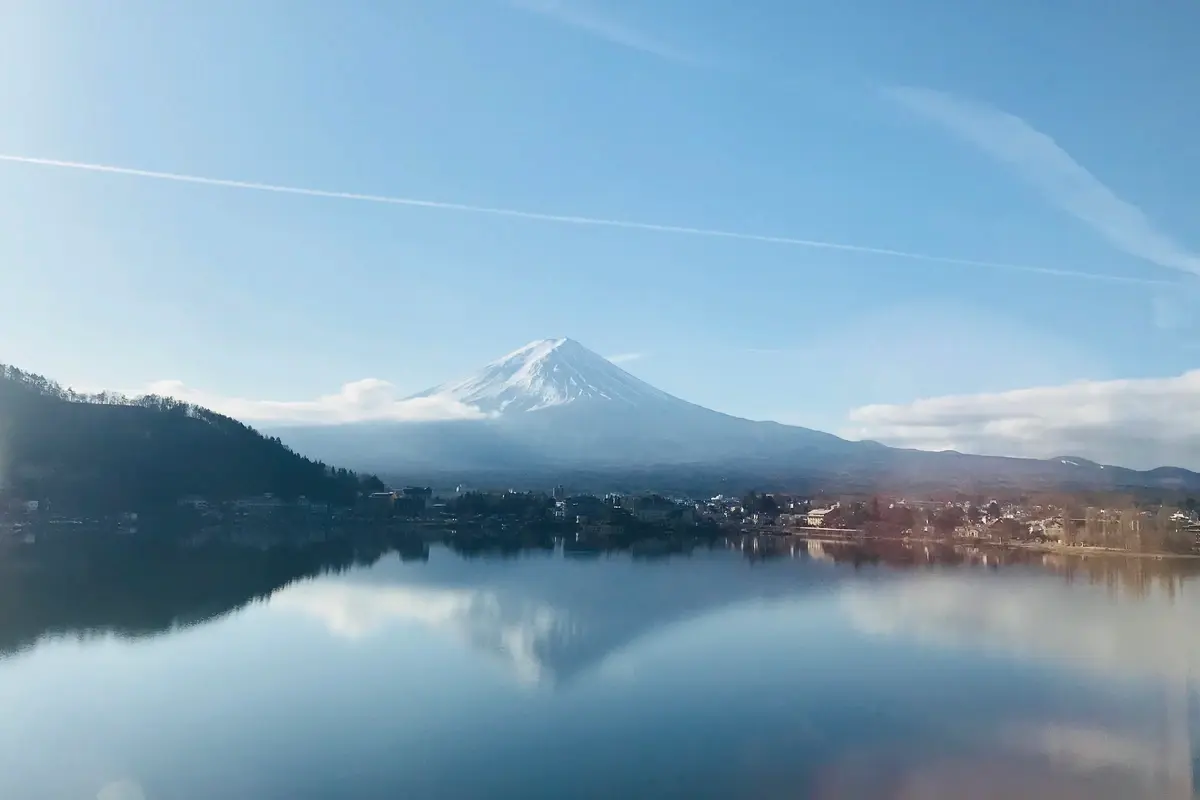
Day 4: Kawaguchiko-Fuji. Most impressive day. Perfect weather. Chose Kawaguchiko over Hakone for lake reflection of Fuji. Hotel: Kozantei Ubuya (best view of Fuji). Night bus arrived ~7 am. Cold but excited. Took taxi to hotel (5 km, ~60 RMB). Too early for check-in (3 pm). Left luggage, explored area. Bought Fuji-designed Coke. Took ropeway up to Mt. Fuji Panorama Lookout. View of lake and town. Hiked down. Lunch at convenience store (restaurants closed). Walked around lake. Returned to hotel at 3 pm for check-in. Received matcha and sweets. We got a free upgrade to suite. Room with balcony overlooking Fuji. Soaked in hot springs (separate genders, no photos). Dinner: kaiseki course in private room overlooking garden. Service by Chinese student. Multi-course seafood and seasonal dishes. After dinner: tea and massage chairs in lobby. Bed was laid out—comfy. Slept well.
Day 5 (morning): Ate breakfast (nutritious but average). Soaked in hot springs again. Saw reflection of Fuji in lake—breathtaking. Checked out by 10 am. Hotel shuttle to station. Bought ticket to Tokyo (2 hours). At Shinjuku station, bought Tokyo Metro 48-hour pass (1,200 yen) at a small shop near the station. Free yukata try-on at tourist center. Took subway to guesthouse near Sensoji. Dropped luggage.
Evening: Kabuki-za Theater in Ginza (1889). Bought cheap single-act ticket (maku-mi). Entered during intermission. Sat in back row (no view of faces—used binoculars). Performers are male. Excellent cultural experience. After, walked Ginza. Had takoyaki (average). Visited BicCamera (4-5 floors) for shopping (used 92% coupon + Alipay discount).
Day 6 (Tokyo): Started at Sensoji early. Walked backwards through Nakamise-dori (street market). Bought omamori charms, souvenirs. Had lunch at nearby chain restaurant (one of the few good meals in Japan). Then Ueno Park (large, includes museums). Walked to Tokyo National Museum (620 yen, no photos). Spent 4 hours learning Japanese history from Jomon to Edo. Painted screen (Pine Forest) is national treasure. Adjacent to park.
Returned to charge phone. Evening: shopped at BicCamera again for Tomica toys.
Day 7 (Return): 6:30 am left for subway to Narita (scheduled 7:10 direct train). Missed it by 1 minute due to luggage elevator. Decided to change routes—big mistake. Lost Suica card (my friend's). After hassle, finally caught airport train, made it. Layover in Seoul: shopped, but stricter luggage check. Arrived Beijing, picked up stored duty-free items.
This travelogue was completed a year later using photos and memory. Some details may be hazy, but hope it helps. As a memory for myself, perhaps next trip: Hokkaido, Nagoya, or Shirakawa-go. This is a place I'd love to visit many times.


