An Eight-Day Leisurely Tour of Osaka, Kyoto, Nara, Uji, and Western Kyoto
Getting a Japanese visa is very easy. I got a three-year multiple-entry visa. In the past, there were restrictions: the first entry had to be within three months of issuance and through designated places, which was limiting. But the new regulations have removed these restrictions—at least the designated first entry point is gone. As for whether you must travel within three months, officially yes, but in practice, you can enter even if it's slightly over three months.
On the price: I applied in October, missing the National Day holiday rush but catching the pre-maple leaf season, so there were still some deals. It cost under 700 yuan. Opting for the type that doesn’t require flight and hotel bookings is much easier. You can plan your trip and apply early—no need for express service, which is expensive.
1. SIM card: I bought one online with 3GB data valid for 8 days, costing less than 30 yuan—more than enough. Since I rarely make calls, just data is fine. I prefer a SIM card over a portable Wi-Fi. For groups, Wi-Fi is cheaper, but you have to carry it, charge it daily, and everyone must stay close. A data SIM is much more convenient, and most phones now support dual SIMs.
2. Transport card: I chose to buy it at the airport. Kansai Airport has a Chinese-language service counter where you can also ask for advice on the most cost-effective routes. So no need to buy in advance in your home country—it's pricier there (2000 yen costs over 140 yuan; buying on-site at the exchange rate is about 128 yuan).
3. Planning: I roughly checked out Osaka and Kyoto spots. Originally thought of adding Tokyo, but it felt too rushed and wouldn’t be enjoyable. So I arranged 3 days/4 nights in Osaka, 4 days/4 nights in Kyoto, and 1 day in Nara and Uji. Plenty of time. The last few days were mostly shopping... Japanese goods are dangerously easy to buy. I initially booked a return ticket without checked baggage, but ended up buying so much stuff that I had to change the ticket. Sometimes you can still find cheap tickets close to departure.
4. Flights: I didn’t book very far in advance, just about half a month. For the outbound, I departed from nearby Tianjin. Without counting time costs, the round-trip was just over 1300 yuan. Since it was the maple leaf pre-season, flights were a bit expensive. Otherwise, Beijing–Kansai rountrip can be had for under 1000 yuan, if booked early.
5. Travel companion: Choosing a companion is crucial. You need similar interests and spending habits. If one wants fine dining, another wants to save money, one wants to shop, another wants to soak in history—it’s a constant compromise and exhausting.
6. Apps: Google Maps is incredibly useful. Japan’s rail systems are extremely complex—different lines, operators, and even different services on the same line might not stop at every station. Enter your start time and destination, and it will recommend the closest departure, even telling you which platform, exact departure time down to the minute. It’s spot on. If you think you’re clever and hop on an earlier train, you might end up overshooting your station and need to cross to the other side and go back. So don’t try to save a few minutes—listen to Google. For food, I tried Dazhong (大众) in different countries but it often led to disappointments. Local apps are hard to use, so I just follow the crowd. Japan takes food so seriously that most places are good.
Day 1, Oct 29: China – Osaka, checked into Kansai Hotel. At noon, took a train from Beijing to Tianjin, strolled around the Italian Style Street and Fifth Avenue, then headed to the airport in the afternoon. Arrived at Kansai Airport at 9 pm, bought a transport card, and waited for my friend. My friend flew from Kunming and arrived at 10 pm. Since we were heading to Kyoto the next day, we stayed at a hotel called Kansai Hotel near Osaka Station. The room was compact but had everything, and it was spotless—especially the bathroom, gleaming! The front desk staff were mostly elderly men, a trend I noticed later: old folks rushing to work in the morning, taxi drivers all seniors. In residential areas, I never saw anyone idly chatting outdoors—everyone seemed to be working.
Day 2, Oct 30: Osaka → Kyoto, half-day sightseeing. 1) Accommodation: Gen 2 guesthouse, booked via Ctrip. Kyoto charges an accommodation tax; I confirmed with Ctrip that the online payment covers room rate and consumption tax, but not this tax. It’s collected on-site at the guesthouse, at 200 yen per person per night. The owner also runs a tiny café downstairs, with the front desk there. In the morning, the café hadn’t opened yet, and by evening it had already closed. So it’s best to ask any questions when you check in. On departure day, we just dropped the key in a locker for self-checkout. They charge a cleaning fee if you want housekeeping during your stay. 2) Itinerary: After dropping our bags, we headed out close to 10 am (left the Osaka hotel at 8:30, and it took under two hours to reach Kyoto). We visited Fushimi Inari Taisha → Tofuku-ji → Sanjusangen-do → Kiyomizu-dera → Sannenzaka & Ninenzaka → Ishibe-koji → Kennin-ji → Hanami-koji → Takashimaya → back to hotel. Except for taking the subway/bus at the start and end, we connected all the sights on foot using Baidu Maps walking navigation. The spots aren’t far apart, the farthest about two kilometers. During planning at home, I had saved all these places on Baidu Maps after reading others’ recommendations, so we followed a route that minimized backtracking. If your feet aren’t up for that, you can buy a one-day Kyoto subway or bus pass for 600 or 700 yen; you break even after three rides. ★Fushimi Inari Taisha was insanely crowded—impossible to get a shot without people. So I suggest going very early in the morning. We originally planned to visit on the day we went from Kyoto to Uji, since it’s on the same train line and you pass Fushimi Inari first. But that day we also had Nara, so time was tight, and we skipped that plan. Honestly, first thing in the morning is best for Fushimi. ★Tofuku-ji was the first spot after leaving Fushimi, not very famous but absolutely stunning. The wooden structures against blue sky and white clouds looked so clean and simple. ★Sanjusangen-do charges a 600-yen admission; not the best value. Inside the hall are 1001 statues of Kannon and a huge 11-faced thousand-armed Kannon—designated a national treasure. ★Kiyomizu-dera is on par with Fushimi in terms of status, but I found the scenery even more beautiful. From the heights, you overlook the bustling Sannenzaka and Ninenzaka below, with visitors in kimono dotting the scene—it makes you feel transported to another era. Then we walked down through the shopping streets, from Ishibe-koji toward Hanami-koji, stumbling upon Kennin-ji along the way. The whole walk gave a sense of Japan’s tradition and steadfastness.
Day 3, Oct 31: Full day in Kyoto: Nijo Castle → Kyoto Imperial Palace → Heian Shrine → Comme des Garçons (Kawakubo), Issey Miyake, Champion stores → Nishiki Market → Isetan Department Store. From the hotel to Nijo Castle we took a bus, then walked the rest—again with Baidu Maps accurately guiding us. The brand stores in Japan are tucked into small alleys and not easy to find. Places like Issey Miyake and Comme des Garçons had almost no Japanese customers—they were all Chinese shoppers who’d tracked them down. Probably boosted by social media influencers. After Champion, we strolled through Nishiki Market, which is like a food street back home, with all kinds of sashimi clearly priced. We grabbed a few bites to hold us over. Then we took the subway to Kyoto Station and shopped at Isetan until closing before eating—that way we didn’t waste any daylight! Ha.
Day 4, Nov 1: Another day in Kyoto: Arashiyama scenic train → Isetan. Near the hotel there’s a JR line to Saga Station, then we walked to the Torokko Kameoka Station for the little train. No matter which side you sit on, you’ll get views of water part of the way and mountains the rest. Actually, you don’t even need to sit; standing at the rear of the train lets you capture the whole carriage when it goes around a bend or into a tunnel. We got off at Arashiyama Station, explored the nearby temples and bamboo groves, then took JR back to Kyoto Station around noon. Spent another long afternoon shopping at Isetan, and had fried beef cutlet for dinner.
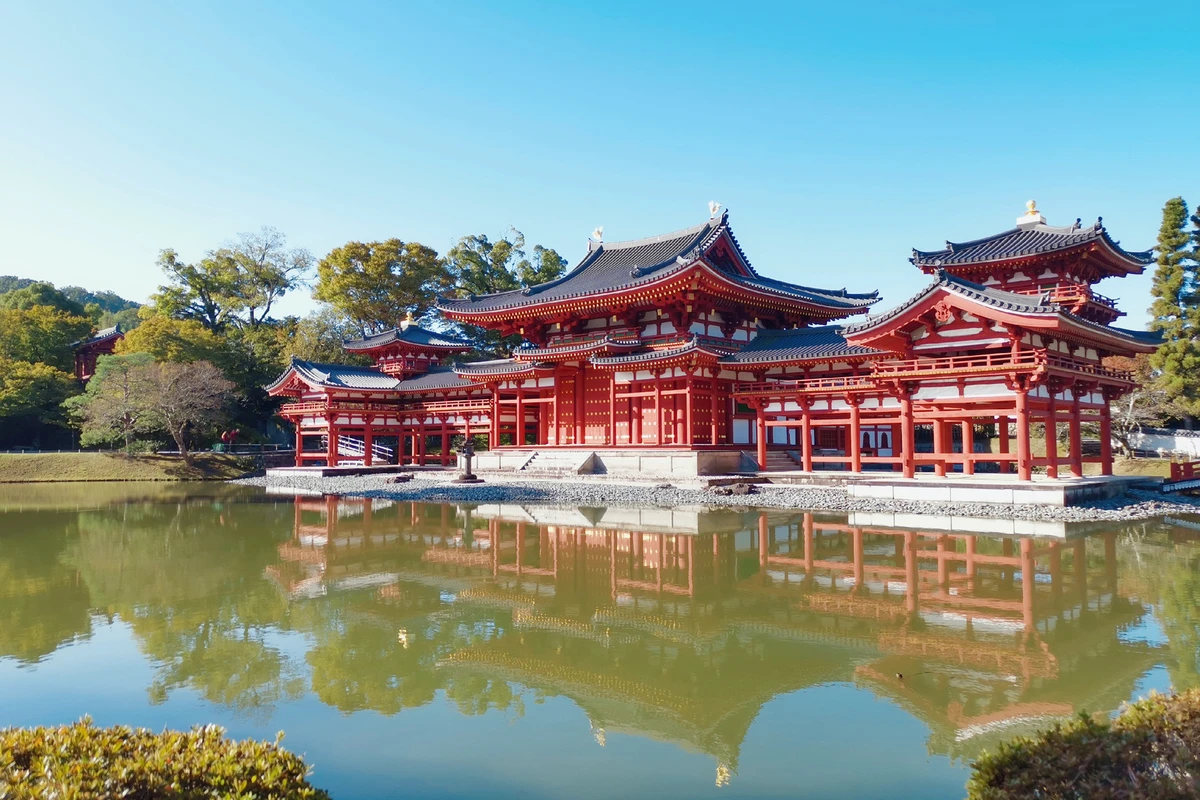
Day 5, Nov 2: Kyoto → Uji → Nara. ★Early morning, we checked out and walked to Kyoto Station, then took a JR train to Uji. The main purpose was matcha, but shops hadn’t opened yet, so we visited nearby Byodo-in, Eshin-in, and Ujigami Shrine. After looping around Uji Bridge and back to Nakamura Tokichi main store, I felt Uji is truly a fresh, charming little city—paired perfectly with the scent of matcha. Nakamura wasn’t open yet, but people had already lined up outside. We joined the queue, waited about ten minutes, and once inside we were seated in order. The service was orderly, polite, and unrushed. The food was truly delicious. Only after returning home did I remember I had eaten at the same chain in Hong Kong with another friend! ★After a satisfying meal, we bought some souvenirs and headed back to JR Uji Station, bound for Nara and its deer. At Nara Station, all the luggage lockers were full. Outside, there’s a tourist info center that stores luggage—my friend paid 1400 yen for that. Wanting to save money, I thought about dragging my suitcase to the park, but soon found it difficult. On a whim, I checked near Sarusawa-ike Pond across from Kofuku-ji and found another info center that offered free storage! The staff there kindly suggested a route and even recommended some small local exhibitions not mentioned in any guidebook—they advised us to visit them after our main sightseeing. From the center, we walked north along the pond’s east side, following my marked spots: Kofuku-ji → Nara National Museum → Nara Park → Todai-ji Nigatsu-do → Mount Wakakusa → Kasuga Taisha. Deer were everywhere along the way, so no need to crowd the entrance for photos of the dirty, indifferent ones there. After looping back down to the info-center road, we continued south to see the traditional houses the staff had recommended—likely community projects to promote local culture. After Nara, we took a train to our Osaka guesthouse, located near Daikokucho, with Shin-Imamiya nearby for airport access and not far from Namba shopping.
Day 6, Nov 3: Full day in Osaka: Namba → Takashimaya → Kuromon Market → America-mura → Dotonbori → Shinsaibashi. This area combines high-end shopping, small boutiques, drugstores, and authentic food. There were a few other department stores too, though I can’t recall their names. It’s the most bustling part of Osaka, with many malls and food streets—shop till you drop! Ha.
Day 7, Nov 4: Osaka: Osaka Castle Park → Tenshukaku → Umeda Hankyu Department Store → Hep Five Ferris Wheel. I had wanted to visit Naniwa-no-Yu hot spring to unwind and experience onsen culture, but circumstances didn’t allow it, so I regretfully skipped it. My friend also wanted to go to Universal Studios, but since I’d just been to the one in Singapore, I wasn’t keen. That became another regret—saved for next time.
Day 8, Nov 5: Osaka: Tsutenkaku → Tennoji → Shitennoji → Kenzo → Dotonbori → Shinsaibashi. Tsutenkaku and Tennoji near the guesthouse looked nothing special in photos from my research, but after so many days in Osaka, just shopping every day didn’t feel right. So I visited them in the cool morning. Around noon I returned to Dotonbori and finally tried Kani Doraku (crab). Since it was a bit early for lunch, we barely had to queue. Spent the afternoon whiling away more time around the area, then ended with a drugstore shopping binge I couldn’t stop. Back at the hotel, after packing, I literally lay face down on the bed and changed my flight booking to accommodate all my loot.
Day 9, Nov 6: Half day in Osaka. The last day, my friend left early. I went out for a meal, then popped back into Takashimaya for more souvenirs. Besides cosmetics, I bought over a dozen pieces of clothing alone—truly loaded down with bags... and of course my wallet would probably be deflated for a long, long time...
Travelogue Directory: 1. About Visa, 2. Preparations, 3. Detailed Itinerary, 4. Photo Gallery. Travel info, hotel index, travel guide index, flight index, website navigation, travel index, cruise index, corporate travel index, affiliate partnership, distribution alliance, friendly links, corporate gift card purchase, insurance agency, agent cooperation, hotel partnership, destination & scenic spot cooperation, more affiliate partnerships. About Ctrip: About Ctrip, Ctrip Hot Topics, Contact Us, Careers, User Agreement, Privacy Policy, Business License, Security Center, Ctrip Content Center, Intellectual Property, Trip.com Group Algorithm Disclosure.


