Fufu Kyoto: The Most Romantic Encounter of Kyoto’s 2022 Autumn Foliage Season
Nanzen-ji is one of Kyoto’s most celebrated temples. During the autumn foliage season, Nanzen-ji, the adjacent Eikan-dō, and Tenju-an within its grounds rank high on the list of Kyoto’s most popular spots for viewing the fall colours.
Right next to Nanzen-ji, along the historic Lake Biwa Canal, a hotel I had been most eagerly anticipating for three years opened in April 2021 — Fufu Kyoto.
Following Fufu Nara, this is the second property by the Fufu brand in the Kansai region. The lanes around Fufu Kyoto are quiet and brimming with old-world charm, and the hotel offers easy access to major Kyoto sights like Gion and Kiyomizu-dera.
Stepping into Fufu Kyoto feels like entering a traditional Kyoto residence. The hotel makes use of the natural topography and the famed garden stones known as "Kamo Seven Stones" to create a perfectly balanced layout inspired by the "Shishin Sōō" concept — the harmonious arrangement of the Four Symbolic Gods.
The lobby, while not particularly large, cleverly employs openwork screens, giving the space a sense of airiness without any cramped feeling, while also ensuring excellent privacy.
Fufu Kyoto offers 40 rooms across six distinct types, all in my personal favorite modern Japanese style. Every corner is infused with the serene, subtle beauty and leisurely elegance of Kyoto.
Each room features a natural hot-spring hinoki cypress bath, a rare luxury for a hotel in the heart of Kyoto.
The bath amenities at Fufu Kyoto are from an organic, moisturizing line with a fresh floral scent that truly leaves an impression. My friend liked it so much that on our way out, she picked up a bottle of the super-hydrating body lotion from the gift shop on the ground floor to take back to Tokyo.
When we checked in, a thoughtful staff member brought us warm yuzu tea — a wonderfully heartwarming gesture.
The hotel restaurant, "Anzu," serves exquisite kaiseki cuisine crafted by a chef who carefully selects Kyoto’s prized traditional vegetables, known as kyo-yasai, along with other seasonal ingredients, incorporating the city’s distinctive charcoal-grilling techniques.
After dinner, you can head over to the hotel’s Japanese-style bar, "Yae Hitoe," for a nightcap. This separate bar building sits in a corner of the hotel garden, its sliding shoji screens adorned with the traditional "yabane kōshi" pattern. Here, you can enjoy not only a variety of cocktails and special whiskey concoctions but also Fufu Kyoto’s very own house whiskey.
The next morning’s breakfast was just as eagerly awaited. Served is a "Fukuju-zen" meal, its name imbued with wishes for abundant good fortune. The standout was the "Anzu Soup," made with Kyoto white miso and Fufu’s special dashi stock — it left the deepest impression and has earned high praise in Japanese hotel cuisine rankings.
After breakfast, we strolled through the garden. Fufu Kyoto has beautifully preserved the original pond garden on the grounds, ingeniously channeling water from the Lake Biwa Canal — often called Kyoto’s lifeline. Cherry blossoms, camellias, maples, and moss display an ever-changing palette of colours and moods through the seasons.
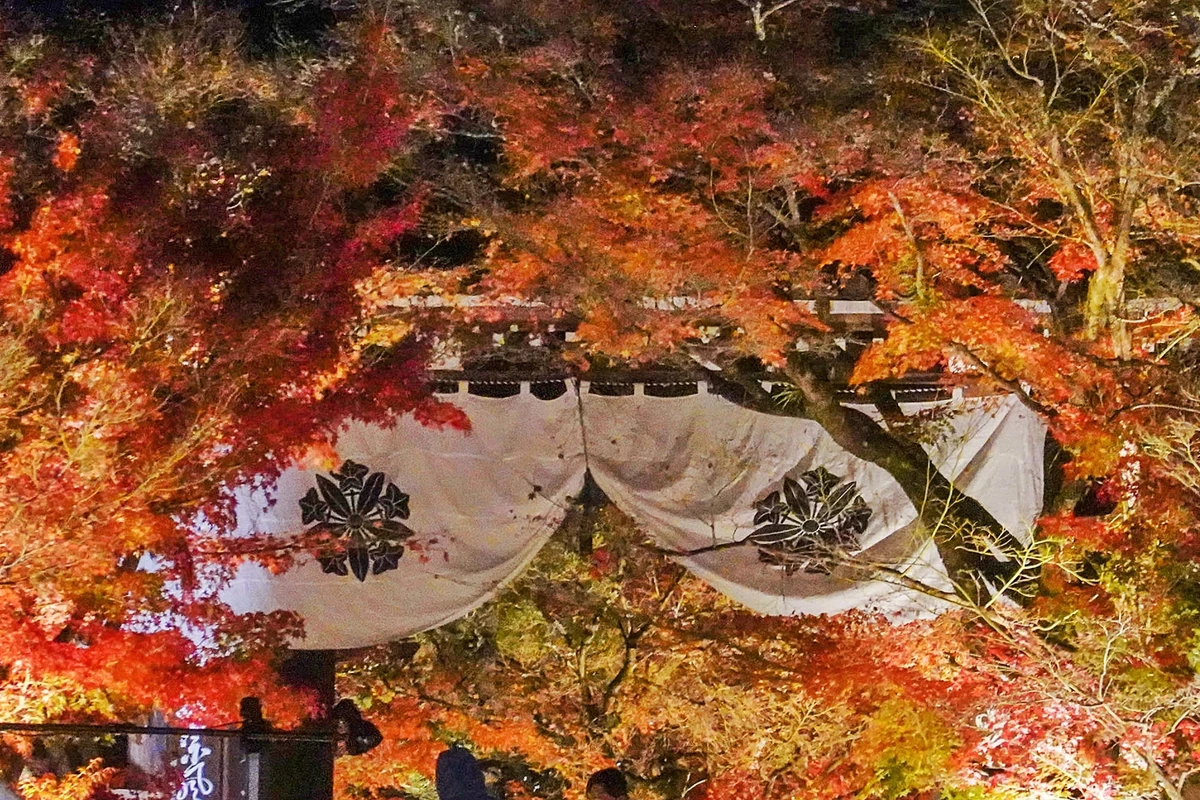
In the evening, you can visit nearby Eikan-dō for its famous nighttime illumination. The illuminated autumn leaves at Eikan-dō are, in my memory, the most stunning I have ever seen. The temple grounds are not huge, but every step offers a picture-perfect scene. Leaves in multiple hues glow exquisitely under the lights, and the Miei-dō Hall, specially opened at night during the foliage season, is a rare treat.
What makes Eikan-dō’s nighttime maple viewing so famous is the reflection of the red leaves in the pond, creating a uniquely serene and dazzling atmosphere that no other temple quite matches. Meanwhile, the pagoda up on the hill, framed by autumn leaves, offers a different kind of quiet, ethereal beauty.


