Roaming Shanxi from South to North in 17 Days: Yuncheng 1/9
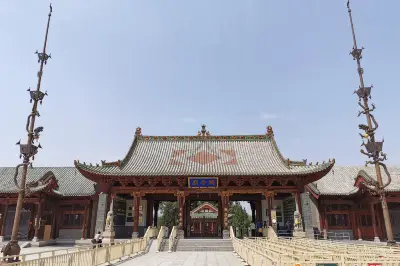
Day 1: Arriving in Yuncheng around two or three in the afternoon, I checked into Zhu Hotel (Yuncheng). The hotel is newly opened, with a modern and well-designed decor that lives up to a four-star standard. You can tell the owner has put a lot of thought into it. There's a drink vending machine in the lobby, and the front desk staff are warm and welcoming. I decided to visit Guandi Temple. I bought a Yuncheng travel annual pass on Ctrip, which covers most attractions for 125 yuan. The temple is a 20-minute drive from the hotel, and I used Didi to get there. Ticket purchase was handled through Ctrip. Guandi Temple is of great significance, featuring dragon pillars, a Four-Dragon Screen, and numerous stone inscriptions from various dynasties. The caisson ceiling with a miniature pavilion is especially unique. The architectural complex is ancient and solemn. After a short rest in the newly built rear garden, I took a Didi to Yanhu Avenue. Yuncheng's Rainbow Salt Lake scenic area wasn't open, but the sunset view along the Yanhu Avenue embankment more than made up for it. The night market across from the embankment was also bustling.
Day 2: Breakfast was settled at a morning market, with lots of choices, all affordable and tasty. I'd pre-arranged a day charter for 500 yuan to visit Yongle Palace, Guanque Tower, Pujin Ferry, the Tang Dynasty Iron Oxen, and Pujiu Temple. We set off from the morning market at 8:30. In practice, there was plenty of time. Yongle Palace, one of the three ancestral temples of Taoism, has a long history. The national treasure murals are hidden inside halls shrouded in black curtains, allowing visitors to quietly immerse themselves in paintings depicting Lü Dongbin's ascension to immortality and stories of Taoist saints. I heard the statues were covered up, so I didn't see any at all in Yongle Palace.
After leaving Yongle Palace, I specifically asked the driver to take a slight detour to Tongguan in Shaanxi, which borders Shanxi — just cross the Yellow River Bridge. For lunch, I had authentic roujiamo in Tongguan. Unlike the alkaline flour pancakes in Shanghai, the Tongguan version uses a multi-layered flaky pastry with freshly chopped meat, priced at 8-12 yuan each — super delicious. The old Tongguan no longer exists; there's a newly built Tongguan Ancient Town, but most shops are deserted, a sign of few visitors. Even the shuttle bus at the tourist center has stopped operating — it's not worth seeing.
The next stop was Guanque Tower. It's said to have been rebuilt, but it still has great majesty. A classic from primary school textbooks, which children can recite backwards. There's an elevator to go up, so you won't run out of breath, and from the top you can see the Yellow River in the distance.
Pujin Ferry and the Tang Dynasty Iron Oxen are in the same scenic area, very close to Guanque Tower. The huge iron oxen once connected the banks of the Yellow River during the Tang Dynasty, which is truly impressive.
Pujiu Temple, the setting of Romance of the Western Chamber, requires climbing a steep stone staircase — you can also take a few more steps to go up and down using the zigzag wooden stairs. Many love locks carry the beautiful wishes of people who make them.
We returned to the hotel in Yuncheng by car at about 6 p.m. The whole day wasn't rushed and wasn't too hard on the legs.
Day 3: I had made a reservation seven days in advance for the Yuncheng Museum, which was definitely worth a visit. The museum has a one-to-one replica of the Yongle Palace murals, which are forbidden to photograph in their original location, allowing you to savor them here.
In the afternoon, I took a bullet train from Yuncheng to Linfen and checked into Jinlin Hotel. Although it's some distance from the city center, it's conveniently accessible with well-equipped facilities, including self-service laundry and drying. If only the breakfast quality could be improved, it would be perfect.