What Does a $35 Mogao Caves Ticket Include? I Think It's Worth It
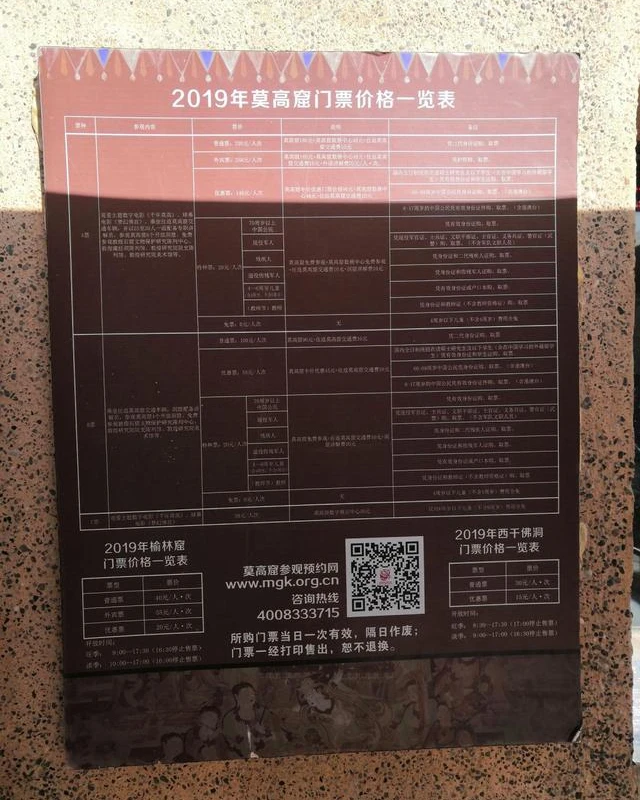
A couple of days ago, I went on a business trip to Dunhuang. Many friends who have never been there heard the news and told me, 'If you go to Dunhuang, you must visit the Mogao Caves.' As a World Cultural Heritage site and one of China's key national cultural relic protection units, the Mogao Caves have almost become a symbol of Dunhuang. Whether people have been there or not, the fame of the Mogao Caves has always been growing, attracting tourists. However, during the peak season, a ticket to the Mogao Caves costs as much as 238 RMB. The high price makes many tourists hesitate, worried that they might pay a lot and end up disappointed, falling into a trap. Don't worry~ With this guide, today I will lead you to see what 'services' a 200+ RMB Mogao Caves ticket can actually provide.
The Mogao Caves are a true treasure trove of cultural relics. The religious art, painting expressions, and architectural layouts together form the unique historical, cultural, and scientific value of the Mogao Caves. For such a culturally valuable site, visiting without a guide would just be a superficial glance. However, purchasing a Type A ticket—the 238 RMB ticket we mentioned at the start—includes a dedicated guide. After buying the ticket with your personal second-generation ID card, you first watch the themed digital film 'Millennium Mogao' in the site's cinema to get a brief understanding of the Mogao Caves' background through the film. Then you go to the dome theater to watch the film 'Dream of the Buddhist Palace' to learn about the main exhibits there. The two films together last about 45 minutes. After the films, you take the scenic area shuttle to the Mogao Caves to visit the grottoes.
From the cinema at the ticket office to the interior of the Mogao Caves, it takes about 15 minutes by scenic shuttle. Along the way, there is nothing but endless yellow barren soil. The wheels stir up dust as they roll over the asphalt road. Looking at this desolation, it's hard to imagine how prosperous this place was thousands of years ago—silk, horses, tea, jewelry, spices, and other goods circulated here through the hands of merchants from various countries, East and West cultures collided, Buddhism poured into the Central Plains and flourished, and various unique cultural customs intertwined, making the Mogao Caves unparalleled and unique.
When you arrive at the entrance of the Mogao Caves, the dedicated guide divides tourists into groups of about 25 to 30 people, distributes audio guide headsets, and then leads everyone to visit designated grottoes. There are more than 5,000 grottoes of various sizes in the Mogao Caves, but not all are open to the public. The dry climate in the Dunhuang area has, to some extent, protected the murals and relics inside the grottoes. However, the influx of large numbers of tourists has caused carbon dioxide levels to rise, accelerating the fading of mural colors and causing irreversible damage. Therefore, for the protection of cultural relics, even though tourists pay a high ticket price, they can only visit a few fixed grottoes.
The process of visiting the grottoes is very novel. Imagine suddenly seeing a place that has only existed in legends, stories, and books right before your eyes—the excitement and thrill are indescribable. Like the restored exterior in the distance, the Mogao Caves are still a dusty yellow. Each grotto entrance has been fitted with a door for protection. The guide leads everyone to specific caves, using flashlight illumination to explain the details inside. The Buddha statues in the caves are lifelike and composed, the murals exquisitely beautiful with bright colors, telling ancient stories through painting. The Flying Apsaras murals, the reclining Buddha playing the pipa, the legend of the Nine-Colored Deer, the Buddha statue in the nine-story building, and other cultural treasures together create the mystery and splendor of the Mogao Caves.
After visiting nine grottoes in sequence, this Mogao Caves trip is basically over. Some might think that visiting too few grottoes is not worth it, but this guide believes that carefully touring these classic grottoes is a very good travel experience. Moreover, the historical and cultural value and artistic research value of the Mogao Caves themselves are enough reason to come here.
By the way, November marks the low season for Dunhuang tourism. Not only do ticket prices for major attractions drop, but there are also fewer tourists compared to the peak season. This is a good time to visit either the Singing Sand Dunes and Crescent Moon Spring in Dunhuang or the Mogao Caves~


