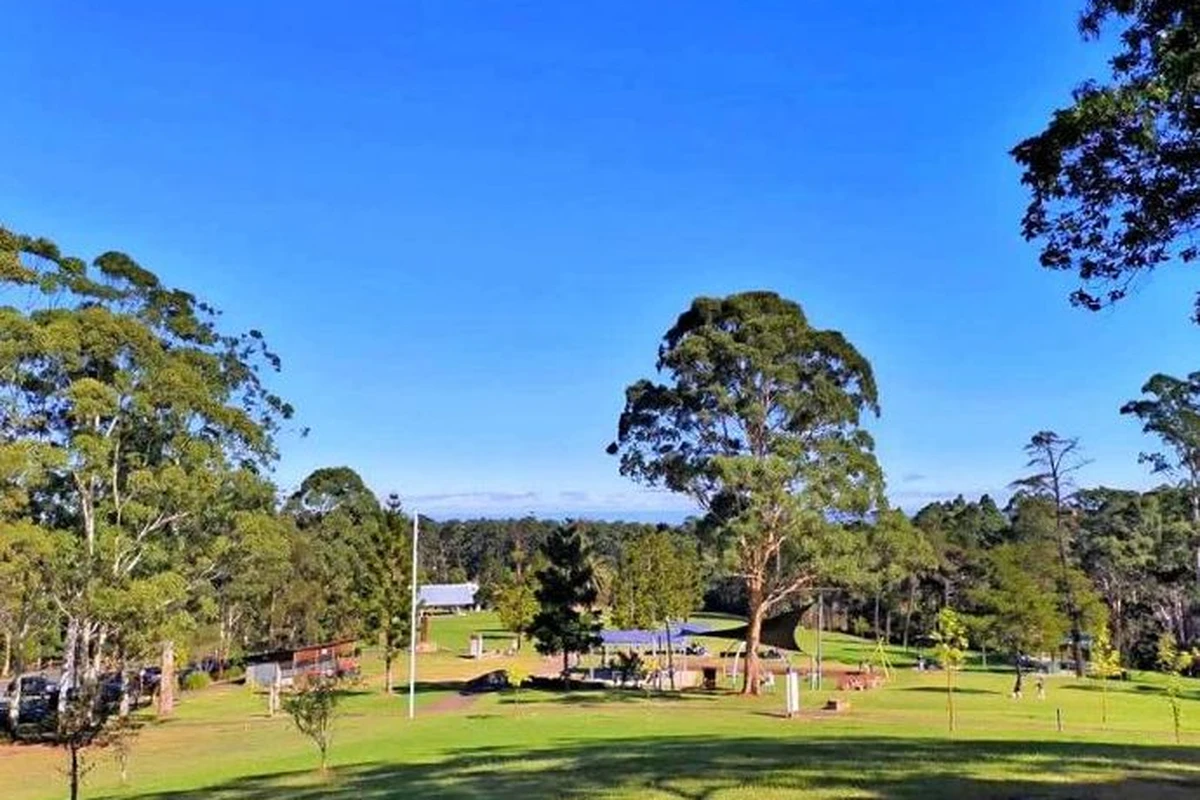
Sydney Castle Hill Heritage Park
Castle Hill Heritage Park is located on Castle Hill in the suburbs of Sydney. One of the park's most important natural features is the regenerated blue gum high forest. This blue gum high community was once common in northern Sydney, but is now listed as an endangered species. In addition to some scattered children's play facilities on the large lawn, there are also four barbecue grills and an abandoned convict well.
The ecological environment in the park is very good, with information boards along the roadside.
Castle Hill Heritage Park covers about 23 hectares and is home to a rich variety of native species, including several that are threatened or endangered. The park’s gullies, ridges, hills, and waterways create three main habitat types: blue gum forest, grassland, and aquatic habitats. Some abandoned gardens and plants left over from the past two centuries add to its ecological diversity.
One of the park's most important natural features is the regenerated blue gum (eucalyptus) high forest. Due to threats from land clearing, development, changes in nutrient levels, introduced plants, and fire regimes, this blue gum high community, once common in northern Sydney, is now listed as an endangered species. Other eucalyptus species in the park include blackbutt (Eucalyptus pilularis), grey ironbark (Eucalyptus paniculata), forest red gum (Eucalyptus), and red mahogany (Eucalyptus resinifera).
The park is also a permanent or seasonal home for various animals and birds – from bellbirds, wattlebirds, whipbirds, and willow wagtails to frogs, quails, and snails. Rare parrots, pink robins, green and golden bell frogs, and several owl and bat species known in this area are recognized as endangered species.
Castle Hill is one of the earliest inhabited areas in Australia. It is not far from Sydney Harbour, about 30 km from the city center. Over the past two centuries, this small hill city has witnessed Australia's historical changes, wars, and national independence, and has itself become a natural and cultural heritage site in the Sydney region.
Castle Hill has a strong historical atmosphere. Over the past two hundred years, this small hill town was used by British colonists as a prison, military camp, official residence, etc. During World War II, Castle Hill became an important military base. Its high ground and natural stone walls provided strong protection and advantages for the Australian army, protecting Sydney from invasion by Japanese core forces. Today, we can see signs of locations, relics, and monuments from that time on Castle Hill, all of which allow one to imagine the history and human adventures here.
Remains of the Convict Well at Castle Hill Farm
The structure is built of stone, with a hand-sawn wooden plank platform on top. In the center of the platform is a small opening, through which convicts could lift water with buckets. This was the farm's main freshwater supply.
In addition to its historical feel, Castle Hill also has a unique natural environment. The entire area includes urban parks and nature reserves, with abundant vegetation, beautiful scenery, and wildlife. You can walk, cycle, or hike along the trails...
British-Australian writer Patrick White lived in this area. After World War II, he settled in Sydney and completed most of his works here. In 1973, relying on a series of novels including 'The Tree of Man' and 'The Aunt's Story', White won the Nobel Prize in Literature that year.