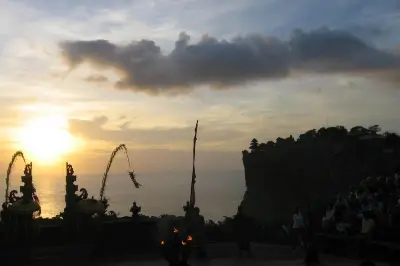
First Taste of Paradise: Bali, September 2024
Day 1: Flew from Hong Kong to Bali (Pulau Bali), transiting in Singapore. Stayed at Holiday Inn Express Baruna.
Day 2: Pantai Jerman, resort activities. Stayed at Four Seasons Resort Bali at Jimbaran Bay.
Day 3: Resort activities, Pantai Jimbaran. Stayed at Four Seasons Resort Bali at Jimbaran Bay.
Day 4: Resort activities. Stayed at Four Seasons Resort Bali at Jimbaran Bay.
Day 5: Pantai Jimbaran, Jimbaran neighborhood, Samasta Lifestyle Village. Stayed at Four Seasons Resort Bali at Jimbaran Bay.
Day 6: Beachwalk Shopping Center, Pantai Kuta. Stayed at Aloft Bali Kuta at Beachwalk.
Day 7: Nusa Penida day trip, Pantai Kuta. Stayed at Aloft Bali Kuta at Beachwalk.
Day 8: Pantai Kuta, Seminyak neighborhood. Stayed at Aloft Bali Kuta at Beachwalk.
Day 9: Return to Hong Kong, transiting in Singapore.
Golden September is a season worth celebrating. Fortunately, after the hard work through wind and rain, we also had the joy of reaping our own harvest.
We weren't particularly fond of areas with lots of monkeys. But since many friends enjoyed going to Bali, we set foot on this special island that belongs to Indonesia but doesn't feel very Indonesian, out of curiosity and a sense of exploration.
On the first morning, we arrived at the check-in counter late; the queue was empty, and we were momentarily disoriented, thinking we were in the wrong place. Luckily, we had already checked in online, leaving only baggage drop and ticket issuance. Everything was smooth and convenient; the counter staff even kindly told us the gate was a bit far. While waiting for security, we saw passengers literally running, reportedly with only 30 minutes before departure. When we reached the gate, it was raining at Hong Kong Airport, and the flight was slightly delayed. However, with the captain's steady and skilled flying, we landed at Singapore Airport earlier than scheduled. Hong Kong's terminal was almost entirely surrounded by Cathay Pacific aircraft, making the lone Singapore Airlines plane look slightly out of place. The A350, a relatively new model, combined with Singapore Airlines' service and amenities, met expectations. The economy seats had comfortable legroom and width, with plenty of small storage spaces. The in-flight entertainment system was as good as ever, though now many airlines have upgraded, so Singapore Airlines no longer stands out as much. In-flight Wi-Fi is becoming standard for more airlines, especially with satellite communication now common. For registered members, Singapore Airlines offers free unlimited Wi-Fi. The first leg to Singapore only served breakfast. During online check-in 24 hours in advance, we could choose from various meal options. Once selected, we were asked about it upon boarding and marked; meals were served early during meal service, but drinks only came during the main service. The food quality seemed to have declined slightly, and the drink choices seemed more ordinary.
Singapore Changi Airport continues to expand and add new attractions, even though it was already a place you could wander all day. Taking the Skytrain between Terminal 2 Station E and Terminal 3 Station B, you can see the world's tallest indoor rain vortex, Rain Vortex, without leaving the airport. Although it was just a fleeting glimpse, it was still breathtaking. We had a simple lunch at Old Chang Kee, which was reasonably priced. The fried chicken wings had crispy skin and tender, juicy meat inside. The blue pea flower coconut rice came with crispy dried fish and peanuts, which added texture and flavor, even surpassing the coconut rice itself, as the coconut flavor wasn't very prominent. But the blue color from the blue pea flowers made the rice look beautiful.
On the second leg, again with Singapore Airlines, we had a proper meal, which was a pleasant surprise. The shrimp in the main dish was well-prepared, and ice cream was provided. Over both flights, the overall service level of Singapore Airlines staff was good. They handled tricky situations like soothing children or managing passenger behavior without showing any signs of annoyance. The flight occupancy was also quite high. However, compared to our first experience, it was slightly less impressive, or perhaps we expected more.
We flew throughout the day and landed at Ngurah Rai International Airport in Bali, greeted by a faint afterglow—the last bit of brightness on the horizon—but it vanished instantly as darkness engulfed the light. Immigration was relatively smooth; many processes are digitized, so as long as you prepare before boarding, it's fine. After customs, ATMs from various local banks were available to withdraw Indonesian Rupiah, and most supported direct withdrawals via UnionPay. Unexpectedly, the biggest delay was retrieving checked luggage at the small airport; it took almost an hour and a half after landing to get our bags. The driver picking us up had probably been waiting so long he lost his patience. Traffic in Bali isn't great either; outside the airport, we saw people, motorbikes, and cars jostling for space on narrow roads. Fortunately, our first hotel, Holiday Inn Express Baruna Bali, was close to the airport, so the commute was short.
Holiday Inn Express Baruna Bali was as we expected—its decoration and hardware were on par with mid-range express hotels in China. The room was clean and tidy, with good soundproofing; we weren't disturbed by noises from the corridor or adjacent rooms. However, the floor tiles were quite slippery, especially in the shower. The mattress was a bit firm, but after a day of traveling, we could still sleep well.
On the second morning, the breakfast buffet at Holiday Inn Express Baruna Bali had limited options—just average. The dining environment was lacking; without air conditioning in the lobby, it was hard to sit for long even in the morning. The highlight was fresh fruit juice, which tasted good. The staff were friendly, smiling, proactively offering information, and asking if we had questions, though the frequency of clearing tables was a bit low.
The hotel's rooftop featured an infinity pool and a small platform where you could feel the sea breeze and watch the sea. Through the red roof tiles, the view extended over the hotel's lawn to the beach beyond, then to the changing colors of the sea. You could sit there without being exposed to direct sunlight while watching the whitecaps stirred up by the wind on the Bali Sea. The heat seemed reduced; as long as there was a sea breeze, you could lazily sit there for half a day.
We took a short walk on the nearby beach, Pantai Jerman. The beach had a steep slope and dark sand, and it was relatively dirty. But since it was a Sunday, there were still some visitors in the sea or on the sand. Bali's westward-facing bays always have waves, unlike the calm, mirror-like sea we experienced at a previous diving destination.
In the afternoon, we walked to a nearby supermarket to buy some local snacks and drinks. There were sidewalks most of the way, though narrow. We had heard that traffic accidents involving pedestrians and motorbikes occur frequently in Bali, as there are many motorbikes and roads are mostly narrow, so being able to walk on the sidewalk was reassuring. Locally produced products at the supermarket were quite cheap. We also noticed several convenience stores along the way, where prices weren't much higher than the supermarket.
After shopping, we moved to our second hotel of the trip, Four Seasons Resort Bali at Jimbaran Bay. This resort, nestled beside Pantai Jimbaran, features villas layered up a small hill at the end of the beach. We were assigned a villa on the far west edge, completely undisturbed. Walking to the opposite end to the restaurant Sundara took only about ten minutes. Although we weren't impressed during check-in, once we settled into the villa, we discovered more and more thoughtful details: sunscreen, mosquito repellent, sandalwood, candles, mosquito netting over the bed, outlets by the bedside, steps in the private pool to sit on, and even a pillow on the bathtub. The list goes on. Almost everything you might need was already there or within easy reach, giving a familiar and cozy feeling like home. We spent the whole afternoon in our villa, yet we still hadn't discovered all the little touches.
As evening approached, we walked across the entire resort. Beauty reveals itself unexpectedly; riding a golf cart makes you miss a lot. Only by walking did we discover it, especially on the paths near the beach. Although the beach is open to the public, the resort uses natural surroundings to create private spots. Twisting paths and varying elevations brought different views around every corner. Occasional pavilions offered infinite vistas. Little bridges and wooden boardwalks formed beautiful angles. We strolled, took photos, and lingered over the scenery, easily forgetting that we were walking in over 30-degree Celsius heat.
Sundara sits at the junction of the resort and the beach. In front of the restaurant is Bali's longest sea-view infinity pool. Sitting there, we watched the sunset and observed the flat beach. This beach had noticeably more visitors than Pantai Jerman, but it was spacious enough not to feel crowded, and the sand was much cleaner. In my opinion, the most beautiful moment was when the afterglow of sunset reflected on the infinity pool, creating harmony between sky and earth, with the sand and sea tinged with faint colors. Some guests stayed by the pool for most of the day, even after nightfall, without leaving. Few people actually used the pool; it served more as a backdrop. The staff initially seated us outdoors by the pool, but with the residual heat of the sun not yet below the horizon combined with the fire, we soon moved indoors to the air-conditioned area. Though the view was obstructed by glass, so was the heat. The restaurant's dishes were artistic and refined. The complimentary bread had a crispy exterior and soft interior, though it wasn't warmed. The butter served on a unique black stone was at the perfect softness for spreading. The Wagyu Tataki Charred on Embers was presented under a lid filled with smoky mist; the strong smoky flavor paired well with the beef and vegetables, though eating it alone was slightly salty. The beef texture was good. The Line Caught Tuna Tartar came with shrimp crackers and caviar, adding richness; the tuna was very fresh, but the caviar was average and didn't add much. The Whole Jimbaran Style Snapper was served with various wooden utensils; the sides and seasoning were good, but the fish itself was mediocre. The Texture of Cocoa was presented with liquid nitrogen mist; the various chocolates were excellent, balancing aroma and sweetness well.
After dinner, we lingered by the infinity pool. Staff periodically brought cold water. With the sea breeze, the sound of waves, and casual conversation, time flew by even as we faced the dark sea.
On the third morning, since we had a heavy dinner the night before, we skipped breakfast. Today we joined two local cultural activities. Although there were few participants, the staff explained and taught with great dedication. The weather in Bali these days was cloudy in the early mornings and late evenings, with occasional dark clouds gathering in the morning, clearing by midday. Often, only clouds remained between sea and sky; sunset saw the fewest clouds, but we missed the chance for a colorful afterglow.
The resort contains an old temple built years ago, preserved during construction and maintained daily by a caretaker. It opens to guests a few days a week, offering insights into Bali's unique religious knowledge. Through the introduction, we learned that Bali is the only region in Indonesia where Balinese Hinduism is the main faith—a unique presence in a Muslim-majority country. Balinese Hinduism, influenced by various cultures, has become distinct from the Hinduism of the Indian subcontinent. Even the temple's form differs greatly from typical Hindu temples; this unique layout gave rise to the famous "Sky Gate." Balinese religious activities emphasize balance—cosmos, earth, life, mind—everything is about balance.
Another activity was making a traditional bookmark using Balinese script. These scripts are similar to Javanese but have some characters unique to Bali. Today, Latin alphabet has largely replaced them, and they exist mainly in important religious ceremonies. Through this introduction, besides learning about these flowing characters and extending their life, we also experienced the difficulty of making traditional palm-leaf pages. Every incision on dry leaf was a test of skill.
Besides these activities, we spent most of the day by the pool. The resort's main pool also overlooks Jimbaran Bay. From a higher vantage point, you see more scenery. Combined with the infinity edge, it feels like you are in the sea. Below the main pool is a small waterfall and a jacuzzi. The waterfall's water felt heavy on the body; the jacuzzi water was warm, making it easy to doze off while sitting. The loungers and daybeds by the pool were comfortable. As soon as we prepared to use one, a staff member came to lay out towels and offered cold water. Despite the sun, we were mostly protected by umbrellas, and the gentle sea breeze was a great sleep inducer. We alternated between water and loungers, and time passed quickly.
We tried Alu's Aussie Burger—good beef patty, well-prepared toppings, juicy, and the fries were crispy on the outside and soft inside. As the staff said, it's the heartiest item on the menu.
As the sun gradually set and its intensity waned, we walked north along Jimbaran Beach. The entire beach was wide, flat, and stretched for several kilometers in a curve, mostly clean. The sand here is heavily mixed with mud; different gray-black shades appear where seawater washes over it. When seawater surged onto the gentle slope, it changed from light blue-green to a muddy yellow. Near restaurants, there was some debris, but more people gathered there, along with stray dogs. People were swimming, surfing, fishing, and wading in the water, doing various activities. Resorts and restaurants occupied much of the beachfront, but there was still plenty of space for visitors.
Kayumanis Resto Jimbaran is located next to a resort lobby, with a sizable garden of coconut trees. Balinese-style wooden structures were partially hidden among greenery. Although it serves outside guests, most diners seemed to be resort guests. The indoor area was not large; the wooden house featured Balinese wood carvings and a few decorations on the bar, giving a traditional home feel that matched the local cuisine. Instead of bread, appetizers included fried shrimp crackers and crispy rice cakes, very Indonesian, with various dipping sauces. The shrimp crackers were a bit soft but still fragrant; the rice cakes remained crispy until the end, though they had little flavor on their own and relied on sauces. The Indonesian drink Beras Kencur Pandan Wangi had a complex flavor with strong plant root notes, but the combination didn't work well. The BEBEK PANGGANG MEKUDUS—duck leg with a blackened surface but still tender meat and subcutaneous fat; it was smooth. However, the accompanying meatball soup was mediocre, with dry meat and bland broth. The KARE SAYURAN—Indonesian curry with vegetables—felt unbalanced; the vegetables diluted the curry flavor. The Cendol Ngangenin had a strong coconut flavor served in a coconut shell bowl; it was slightly too sweet. The BUAH KUBUS had a unique shape, with various fruits arranged like a Rubik's cube, but most fruits weren't sweet.
In the evening, we went back to the infinity pool in front of Sundara to enjoy the sea breeze. But the wind was weak that day, unable to dissipate the tropical heat. The staff, busy with restaurant service, neglected the poolside guests; the restaurant was almost full.
Day 4: Today we continued participating in the resort's cultural activities. In the morning, there was an introduction to the statues within the resort, explaining their roles and significance in Balinese Hinduism. The hour-long walk covered many statues and related religious knowledge. Some concepts resembled Chinese feng shui and direction principles. The resort also has an area where Balinese Hindu and Buddhist statues coexist—true religious harmony and balance, existing even before the resort was built. The morning sun appeared only occasionally; mostly it was cloudy, so it wasn't too hot. In the afternoon, we learned about some artistic stone statues within the resort—not deities, but ancient works reflecting Bali's history and culture, revealing past lifestyles and customs. Through the introduction, we learned a lot about Bali's past and saw that the worship of dragons and lions seems to have consensus and connections across Asia. Without such introductions, we would have dismissed these as mere decorations; only through explanation did we understand the history they carry. The afternoon was under a scorching sun; even though we didn't walk far or long, we were drenched in sweat after a few steps.
After the morning activity, we enjoyed a buffet breakfast at Taman Wantilan. The cold and hot dishes were average—not Four Seasons' top level. The Eggs Benedict was excellent, mainly due to the poached egg; you could feel its light, wobbly texture when it arrived. The hollandaise sauce was a bit bland. The goat cheese looked solid but was actually soft and smooth. However, the grilled items and salads were mediocre, both dry—one lacking juice, the other moisture. The highlight was the variety of fresh juices and desserts/fruits. The juices were perfectly thick, especially papaya and watermelon. The passion fruit was sweet and completely changed our perception; the sourness we usually encounter is just a matter of timing. The snake fruit was sour and bitter, and the watermelon here lacked flavor. The house-made ice cream and sorbet were good, maintaining a fresh fruit taste, melting in the mouth with almost no grittiness.
Near dusk, we tried another resort activity: a yoga session with a sea view and sea breeze. Despite the constant cooling wind, we sweated profusely for an hour. But stretching while watching the sunset transform the bay was enjoyable.
In the evening, we went to Cuca Restaurant, the highest-rated Spanish tapas place in the Jimbaran area. The outdoor environment was comfortable. You enter through a long pool before reaching the indoor area. Many diners were present, both indoors and outdoors. All utensils and chairs bore the restaurant's name. Tables were spaced far apart, with movable curtains for privacy. Staff would actively close them when clearing tables. All cocktails had non-alcoholic versions. We tried Coconut Ice; the main part was frozen into a slushie that slowly melted as dinner progressed. It mixed coconut water and lime, slightly sour—a good pairing with the sweetness of coconut water. Although this place follows the Spanish tapas sharing style, dishes were served one after another only after finishing the previous one. The complimentary appetizer was an airy ball that looked substantial but dissolved upon eating, with only a hint of plum powder. The Lucky Oyster used fresh, sweet oysters that weren't too large, with a light sea taste—just right for seasoning. The lemon juice pearls looked nice but weren't practical. Potatoes in Delhi were mashed potato balls with a little chili sauce; the plate was more impressive than the food. The curry flavor was almost imperceptible, and it was slightly salty. Roasted Pork Buns—American-style pancakes wrapped BBQ pork—felt odd. The pork was dry, with poor fat-to-lean ratio; there wasn't enough fat to complement the pancake and vegetables. The whole dish didn't come together. Cold Smoked Butterfish—smoked fish slices paired with beet yogurt and zucchini slices—was overwhelming at first with smoke, leaving only the fish's smooth texture. On the second bite, you could taste a bit of fish's natural sweetness. The yogurt sauce with the slightly astringent zucchini surprisingly added complexity, creating a unified flavor. BBQ Octopus—the octopus was surprisingly tender and addictive, but the roasted cauliflower felt like a separate dish. Spicy Crab—crispy fried soft-shell crab seemed the best presentation; the sauce was initially mildly spicy but had a complex aftertaste blending mild heat and sweetness. The Beef Bone—a large bone stuffed with sticky rice, roasted with the bone and meat. Eating the beef and rice together was better; eating either alone felt lacking. The beef was lean but cooked properly, not dry, though it lacked fat.
Back at the resort, we shared two bottles of Australian wine with new friends. Three hours of conversation passed in a flash, and we deepened our understanding of Australian wine and the world.
Day 5: Today was a full day of relaxation.
In the morning, we joined a half-hour beachside meditation. Lying on wooden platforms with the sea breeze and white noise, we intended to wake up, but perhaps our souls woke up while our bodies needed more rest.
At noon, we stepped out onto Jimbaran Beach again. Today was a Balinese holiday; the beachside BBQ restaurants were closed, reducing smoke. There were still quite a few people in the water, but few compared to the vast beach.
Around midday, we walked north along Jimbaran Beach. The beach was even less crowded than before, despite being a religious holiday. Some locals were off work and relaxing here. Leaving the beach, we went to another highly-rated Spanish tapas restaurant in Jimbaran, AKUA de Bilbao. It offered good value, probably because the indoor area had only ceiling fans, no air conditioning. The milkshake didn't use fresh fruit—likely made from powder. The Bali Colada was a mocktail; its pink color belied a refreshing mix of pineapple and lime. The Coconut-Orange mix was unusual but okay. Tortilla de Patata Trufada was a generous portion of potato cake made with small potato cubes; it was looser than it looked, mixed with strong truffle flavor, boosting the potato's mild taste. The side toast was crunchy with chopped fresh tomato spread, fresh and tasty, but not to be eaten with the tortilla as truffle overpowered tomato. Las Famosas Croquetas de Akua—we got an assortment; the croquettes were crispy and tasty, one bite each, with soft fillings. The mushroom was too mild, the meat slightly salty, and the blue cheese the most appealing. Paella Marinera de Marisco was classic seafood paella on an iron pan; ingredients were mostly fresh, rice slightly undercooked, each grain soaked with broth flavor, making it a bit salty—average. Lomo de Atun Marinado—tuna seared on the outside, sprinkled with black and white sesame seeds. Our doneness was a bit over, slightly wasting the fish's freshness.
Today was one of Bali's most important religious festivals, Galungan, originally celebrating dharma's victory over adharma, also marking the time when ancestral spirits visit Earth. We walked on Jalan Raya Uluwatu in Jimbaran, seeing many related decorations and offerings. Bali's roads are unfriendly to pedestrians: narrow sidewalks, broken drain covers, potholes taking up almost the entire walkway. On the road, motorbikes are numerous and fast, and roads are narrow; walking on the road basically obstructs traffic. This was a good road; some have no sidewalks at all.
Bali seems to have many spas and massage places. Even during our short walks, we saw many shops. After lunch today, we enjoyed a two-hour traditional Balinese Aromatherapy Balinese Massage at SWARNA DAY SPA JIMBARAN. This three-story building wasn't exquisitely decorated but felt clean and comfortable. With soothing music and aromatic essential oils, the therapist used techniques to relax the body—definitely a comfortable choice. Such an environment makes it easy to fall asleep. The room was small, with no shower, but enough for two to receive massage simultaneously. The therapist wiped us down with hot towels at the end.
After the full-body relaxation, we walked to Samasta Lifestyle Village, an open-air commercial street with bright, modern architecture set at different levels. It felt pleasant; most people would enjoy strolling. Although open-air, it wasn't too hot in the late afternoon. The area is mainly restaurants but also has shops selling Indonesian specialty items, with unique decorations and displays. Some cafes offered a place to sit and pass time. At 7 pm, there was a Balinese dance performance, Barong Dance, reportedly depicting Balinese mythology. Barong symbolizes kindness and guardian spirits, showing how Barong defeats the evil Rangda in the eternal story of good versus evil. The dancer first paraded Barong around the mall, then performed at the central plaza for an hour. At 8:15 pm, there was Acoustic Night with a singer performing at the central plaza. On a cool evening, sitting outdoors with live music, coffee, or cocktails was pleasant. However, the area had few shops, unlikely to draw visitors from far away, relying more on nearby hotels and resorts for foot traffic.
We had dinner at Wahaha Pork Ribs Jimbaran. The two-story building had indoor and outdoor areas, both without air conditioning; indoors had ceiling fans, but the second-floor outdoor area offered a view of traditional Balinese dance, so it was better. Dishes were served together; drinks came slightly earlier. Drinks were average—nothing impressive. Fresh Coconut wasn't chilled, slightly low on sweetness but very hydrating. House-made Lemongrass Tea was too sweet, losing the tea's flavor. Bali Coffee had no distinctive coffee bean taste and was too weak, though reasonably priced. Lemon Ginger had a pleasant sourness that aided digestion. Sate Babi—pork skewers with good fat-to-meat ratio, making each bite tender and juicy; the sweet-spicy Balinese sauce added flavor, though a bit spicy for us. Grilled BBQ Corn with creamy cheese enhanced the corn's natural sweetness. Bebek Goreng Bunba Bali—fried duck with crispy skin but dry, tough meat; the subcutaneous fat was gone, making texture worse. Pork Ribs—covered in sweet sauce, falling off the bone with a gentle pull; flavor and texture were good. The ribs were first baked then grilled, tender and juicy, living up to its reputation as a signature dish. Jukut Don Ubi—a classic Balinese vegetable dish, but cassava leaves were too dry and hard to swallow; the dish lacked oil.
That night, the sky was clear. We thought about looking for the starry sky in the southern hemisphere, but although the resort wasn't very bright, there was still some light pollution. Though we could see more stars than in the city, we couldn't see the dense, brilliant Milky Way.
Day 6: Today we left Jimbaran for the Kuta area, so we had to say goodbye to the beautiful Four Seasons Resort Bali at Jimbaran Bay. The morning was overcast with dark clouds; it wasn't until noon, when we were about to check out, that the sun reappeared. This resort truly offers a different view at every step: steps between doors, ponds between buildings, sea and mountain viewpoints, winding coastal cliffs, undulating hills, tranquil bridges and streams, winding corridors, ancient trees and temples, and the magnificent infinity pool. Everything was beautiful. Even more beautiful were the people we met. Every staff member we encountered was kind, smiling genuinely—you could feel their love for Balinese life. Throughout our stay, they gave us a warm feeling. While dining or lounging, staff didn't constantly ask about needs, but if we made an obvious gesture, they would come.
We moved to our third hotel, Aloft Bali Kuta at Beachwalk. As part of an international chain, many things were standardized but with some youthful touches. The room felt bright and fresh with some colorful accents. However, the corridor outside had a very traditional hotel style with poor soundproofing; we could clearly hear everything in the hallway. The room had the usual amenities of a star hotel, but it didn't feel like a resort—more like a city hotel. Some designs weren't user-friendly, making it feel awkward. The pool, marketed as a highlight, was smaller than expected and on the ground floor, surrounded by buildings, making it mediocre. However, the staff were warm and smiling, sincerely wanting to provide better service and experience. Bali's tap water is mostly desalinated seawater, containing impurities and a salty taste, so most star hotels have their own water purification systems. Across our three stays, we noticed differences: Holiday Inn Express Baruna's water had a strong salty taste; Four Seasons Resort Bali at Jimbaran Bay had almost no saltiness; Aloft Bali Kuta at Beachwalk also had no saltiness but a slight disinfectant smell. Since tap water is purified seawater and not recommended for drinking, most star hotels provide plenty of bottled water.
The hotel is inside Beachwalk Shopping Center; entering and exiting requires using the mall's entrances. The mall is open-air, with air conditioning only in some areas, but well-ventilated near the sea. The three-story mall surrounds a central pond and elevated garden, with many international brands and chain restaurants. Possibly because Kuta Beach is just outside, the mall has decent foot traffic, especially at restaurants with unique offerings.
We had lunch at Mr. Wayan by the sea on the third floor of the mall. The open dining area offered a view of the open Bali Sea bay outside Kuta Beach. With the sea breeze, places not in direct sunlight were comfortable. Good views certainly enhance the dining experience and food. Bebek Megoreng—fried duck with crispy skin and retained subcutaneous fat, especially the leg; the meat was not exactly tender but delicate. The breast meat was slightly inferior due to less fat, but the bones were crispy. Iga Mepanggang—grilled pork ribs with rich sauce flavor; the meat was flavorful but dry and tough, lacking juice; a bit more cooking would turn it into jerky. Kacang Mekalas—green beans mixed with ginger juice and ginger paste; the unique pairing added flavor to an otherwise simple dish, complementing each other. Rujak—so-called fresh seasonal fruits, but quality was average; served with a sweet-spicy sauce that was hard to understand or accept.
After lunch, we went to Acai Queen for dessert. They specialize in Acai Bowls, with acai sorbet and various toppings. These are marketed as super healthy. Portions were generous; even a medium size sufficed for two. The fruits were fresh and sweet. However, the coconuts we had in Bali weren't sweet, though they had plenty of water. Here, they served coconut with chocolate-coated toasted coconut flakes, which were delicious. The seating was uncomfortable—tables too small, chairs too high, and the location in the mall's central open area, though decorated for photo spots.
We waited until the afternoon sun weakened before heading to Kuta Beach. The crowd here was much larger than at Jimbaran Beach, and the waves were noticeably bigger, attracting many surfers. This is also a great spot for sunsets, almost year-round. However, the sand here is heavier with mud, almost entirely grayish-yellow; white sand is impossible. The area is heavily commercialized; passing vendors always ask if you need a lounger or surf lessons. We waited for sunset while watching surfers. We didn't walk far north as it seemed more crowded; we found a spot with almost no one in front, so we stayed put for nearly an hour without realizing how much time had passed. The sunset was infinitely beautiful and soft. As the sun sank into the clouds at the horizon, from slightly dazzling to a golden-orange circle, silhouetted against surfers rising and falling—a beautiful snapshot. Unfortunately, the clouds were too thick; the disappearing sunlight couldn't color the whole sky, only tinting the western part. The afterglow was just a streak; the sky and sea didn't merge into a red glow.
Leaving the beach, we went to Kori Restaurant & Bar Kuta near Jl Raya Legian in central Kuta. We chose it spontaneously, drawn by its Balinese-style facade. Inside, a small bridge crossed a pond with two wooden pavilions, each with a three-seat table by the water; we sat in one. The serene environment seemed to make staff move a bit slowly. Vegetarian Spring Rolls—crispy outside, soft inside, thanks to the moist vegetable filling. GIANT HANGING SEAFOOD GRILL—two large seafood skewers, each with squid, fish, and prawns. Fresh ingredients are always tasty, but the fish was overcooked. HOT STONE Fresh Yellow Fin Tuna—served on a hot stone with plenty of smoke, eye-catching. But the hot stone was too hot, cooking the fresh tuna to almost well-done, drying it out. KORI CHEF SATE—great value skewers; the set included eight skewers with sides and yellow rice. Both meats had good sauces and seasoning, but chicken was better than beef—chicken was firm and tasty, while beef, probably due to breed or cut, was too dry and tough from lack of fat. The skewers were served on a small charcoal grill to keep them warm. Milkshake was smooth and seemed made with real ingredients, at least not skimping on milk. The restaurant had wooden carvings reflecting Balinese style. Chosen for its appearance, the overall dining experience was good. Going with the flow can bring unknown outcomes, but many things are about doing your best and leaving the rest to fate.
Day 7: Today was a day trip to Nusa Penida. Early morning, the private driver picked us up at the hotel, which had prepared a takeaway breakfast box. The box was quite generous and decent: baked beans were delicious—soft and creamy with some herbs for color; fruits were fresh, sweet, and neatly cut.
From Kuta to Sanur Harbour, we crossed Bali from west to east, passing through Denpasar, Bali's capital. We hit morning rush hour traffic, slightly slow but not severe; it took nearly an hour to cover about 20 km. The harbor building resembles a ship; many people were boarding. We followed the crowd in an orderly manner. There were many ferries. Although departure was scheduled for 9 am, they left when full—as per our ticket—but it was resolved quickly, thanks to the guide. The ferry ride was under an hour. The boat was small, holding about 100 people. The ride was a bit bumpy, especially near Nusa Lembongan while waiting for passengers to transfer to small speedboats. The so-called speedboat was actually a regular boat with multiple small outboard motors, not a common hydrofoil or catamaran, so the bow and stern were more turbulent.
Nusa Penida's roads are very narrow, barely allowing two small cars to pass using the shoulders. With winding mountain roads, most vehicles are Japanese small SUVs. Only locals can drive for tours; they know the roads well. For visiting Nusa Penida, private car hire is highly recommended. Besides driving, the driver helps find good photo spots, queues on your behalf, and saves negotiation hassles. Some people use motorbikes, especially foreigners staying there, but far fewer than on Bali. Overall road conditions are poor—mostly paved but with potholes, especially near attractions, where heavy traffic leaves gravel; even driving slowly causes severe shaking. Also, attractions aren't standardized; without a local, you might get confused by various charges.
First stop: Angel's Billabong and Broken Beach, two adjacent coves. Both are natural formations where seawater erodes rocks. Crowds were heavy, and the mountain paths were narrow; you need to gather at the cliff edge to see the beauty. Since they're close, you can choose which to visit first based on crowd density.
Angel's Billabong is the last estuary before the river meets the open sea. Yellow-green corals appear more beautiful against the flowing water at the estuary. From the cliff top, visitors see beautiful, clear, tiered water. Green algae on the pool bottom makes it look stunning. As you approach the ocean, the green deepens into blue. Nature's power, breathtaking.
Broken Beach is famous for its arch-shaped rock formation on the cliff, formed by a sea-eroded cave. The enclosed pool is calm due to its unique terrain; the waves outside the arch seem nonexistent. There's no beach here, just a sea area surrounded by relatively untouched cliffs.
Kelingking Beach is one of Nusa Penida's most iconic spots. Below lies rare white sand in the Bali region. From the cliff top, you see vast ocean; the hill curve resembling a T-Rex is the most distinctive feature. However, a vertical glass sightseeing elevator from the hilltop to the beach is under construction; how much of the pristine white sand will remain is unknown.
Crystal Bay is one of the few beaches accessible by car, so it attracts the most visitors. The sand is still mixed with gray-black, but the water has less sediment than Bali's beaches, so it's clearer, especially in less visited corners where water is almost transparent under sunlight. However, this beach is probably the most affected by human activity on the island—an irreversible impact for an island known for natural scenery.
Before leaving the beautiful, relatively pristine (or more naturally preserved) Nusa Penida, we saw at the dock that visitors were dispersing, gradually returning the island and sea to tranquility. Quiet, varying shades of blue; clear water connecting to pale yellow sand; blue sky with a few white clouds contrasting with even bluer water. On the return, we hit evening rush hour; even though the guide took toll roads, it still took an hour to cover 20 km.
Back at Kuta Beach, it was sunset time. Again, thick clouds at the horizon prevented us from seeing the sun sink between sea and sky, but it didn't stop us from chasing the afterglow. The water marks left by the tide on the sand made perfect mirrors, reflecting the purplish-red sky and human silhouettes.
Dinner time: we were lucky to find a seat at the always-crowded Fat Chow. The restaurant had a Hong Kong-style café vibe, with many Hong Kong elements. But with so many diners, even drinks took a long time. Milkshake was decent but had an odd flavor combination. Smoothie was smooth and rich—maybe because we were thirsty from waiting. Chicken Cashew was a Hong Kong-style stir-fry chicken fillet with rice, but we could taste the wok hei; a hint of lime added a Southeast Asian twist. Pork Ribs—slightly overcooked, retaining only a little juice; the ribs had a slight curve, probably causing uneven cooking. The sauce was sweeter than before, but still within acceptable range for fans of Cantonese char siu. Fry Spring Rolls were well-made: thin skin revealing the filling, crispy outside, soft inside, unlike many spring rolls with thick skins for crunch.
After eating, we wandered back to the mall and stumbled upon an Indonesian cultural performance. Though we didn't understand the lyrics or dance meanings, music heals and drumbeats move everyone.
We had another dessert at Acai Queen. The Acai Bowl was still good, with fresh fruits and ingredients. We also tried an Energy Drink made with acai and green tea; it was a bit weak. The Acai Bowl is more recommended.
Day 8: The hotel's breakfast buffet had plenty of choices, though impossible to try everything in one morning. The layout was odd—similar items were together but slightly fragmented by constraints. The dining area was decent, with indoor and outdoor sections and a semi-open terrace overlooking the garden and pool. Fresh juices were only watermelon and pomegranate; others were bottled and not pure. Dishes were good, especially fruits. Fried jackfruit was unique. Staff were friendly, smiling, and eager to help.
After breakfast, we looked at Kuta Beach in daylight. No clouds on the horizon; the Bali Sea's horizon seemed to disappear into the sky. A surfing competition was happening today, probably not a major event, but we saw surfers performing tricks on wave tops. The organizers had cameras on the platform and even mounted on the water.
Around midday, we left the beach for a city walk in Seminyak, exploring its unique shops.
But before walking, we went to SUNDARI Wellness for a full-body massage. The Sundari Signature Massage felt like yoga, using meditation props as signals and therapists assisting with yoga stretches. Balinese traditional massage often uses bamboo poles as tools; both massage places we visited did this. This time, we chose different massages: one was the Hot Lava Stone Massage, with relaxing techniques and hot stones placed on the body or used as massage tools. Stone temperature and pressure could be adjusted.
After relaxation, we explored the nearby streets. Bali is not city-walk friendly. Main streets have narrow sidewalks occasionally blocked by parked cars, shop encroachments, or shrine offerings—but these aren't the main issues. Seminyak, being a popular area, has huge numbers of motorbikes that often drive onto sidewalks, especially near intersections.
We mainly walked along Jl. Mertanadi, Jl. Kayu Aya, and parts of Jl. Raya Seminyak. This area does have some unique shops—home goods, clothing, restaurants, galleries—with distinctive styles. Their decor and products were more tasteful than those we saw in Kuta. But that's within shops, not the street itself, which doesn't differ much from other places in layout and architecture.
Since the hotel's breakfast buffet was hearty, we skipped lunch and went to Krakakoa Chocolate Cafe & Factory for afternoon tea. The Krakakoa Chocolate Cheese Cake combined two strong flavors harmoniously, creating a better taste. The Iced Chocolate came in three concentration levels; the higher the concentration, the more bitterness, but also better appreciation of the raw cacao's original flavor. The Cacao Tea had only a faint chocolate taste, mostly sweetness, especially after the other strong chocolate items. Another feature of this shop is making your own chocolate; the chocolate base is pre-made, and you choose fillings and toppings, shape them with molds, and staff freeze them—probably popular with kids.
Walking was unfriendly, so we ended up at Bintang Supermarket Seminyak, which happened to be where we wanted to buy souvenirs. This supermarket is highly recommended as a one-stop shop for Indonesian or Balinese snacks and specialties. Compared to other stores we visited, it had the widest selection and generally better prices.
After shopping, we returned to the hotel quite late. We initially wanted to go to a nearby teppanyaki restaurant, but it was fully booked. Attracted by loud live music and strong accompaniment from a nearby band, we sat down at 69 Bar and Resto. When we looked at the menu, we were drawn to the price of the BBQ buffet. We selected what we wanted; the staff grilled it fresh and brought it to our table. The raw meat and vegetables were mediocre with limited choices, but grilled pineapple and squid were good—especially the pineapple, juicy and sweet, with the chef's sauce enhancing its qualities. Besides BBQ, there were some cold dishes, hot dishes, fruits, and desserts, all included in the BBQ price; only drinks were extra. Live music added excitement; many guests were drawn in for a drink and a bite.
After dinner, we strolled through the mall. On weekend nights, the mall closes an hour later. Even after 10 pm, there were still many people. Maybe they weren't just shopping or eating, but passing through to other destinations. As long as there's energy, everything should be fine.
Day 9: The last day of our Bali trip. Blue skies and white clouds arrived as expected. Although the weather forecast before departure and even local real-time weather predicted rain, we saw at most dark clouds gathering; rain hadn't fallen in late September in Bali.
Choosing a midday departure flight allowed us to sleep in fully and enjoy the hotel's breakfast buffet. It felt like wasting half a day flying. Perhaps due to the approaching National Day holiday in China, we met more Chinese guests today; the restaurant was almost full. The breakfast buffet changed daily; today featured freshly brewed pour-over coffee with three local Balinese coffee beans, instantly elevating the breakfast's sophistication. Dishes also varied: fried bananas were very sweet; steamed grains and edamame were fresh but lightly seasoned.
We had booked an airport transfer, but after waiting over ten minutes past the scheduled time, the local service notified us of a delay due to traffic and suggested we go on our own. Fortunately, we quickly ordered a Grab; Sunday morning traffic wasn't too heavy, so it didn't affect our overall schedule. Grab is very convenient in Bali—response within minutes, reasonable prices. The booking platform refunded quickly, but it slightly dampened our mood.
Departure from Bali Airport was smooth, but prices in the airport shops were at least two to three times those outside. Bali is a beloved destination for people from all over; our flights were nearly full, and the airport was bustling. In the areas we visited, we saw people of all races and attires. In contrast, the flight from Singapore to Hong Kong was only about 70% full.
During the transit at Changi Airport, we explored the newly built Terminal 4. Connected only by bus shuttles to T1 and T3, it feels self-contained—with restaurants, duty-free shops, and lounges, but far fewer people than other terminals. Facilities seem to outnumber users, especially seats with charging ports. Some shops are designed to resemble Singapore's shophouse architecture, while other features are modern sculptures, lacking the garden-city feel of other terminals. We tried two small eateries at T4's International Food Hall; the meat quality was average, but the barley water was decent.
The mystery of volcanic black rocks, the spray of colliding waves, the winding cliffs, the secluded ancient trees, the devout prayers, the beautiful smiles—these are our first impressions of Bali. On the plane, we already thought about how to avoid monkeys on our next visit and explore this special island again. So, goodbye Bali, we will see you again.
Travelogue Directory
1. Itinerary
2. Day 1
3. Singapore Changi Airport
4. Day 2
5. Holiday Inn Express Baruna Bali
6. Pantai Jerman
7. Four Seasons Resort Bali at Jimbaran Bay
8. Four Seasons Resort Bali at Jimbaran Bay (Environment)
9. Sundara
10. Day 3
11. Alu
12. Jimbaran Beach
13. Kayumanis Resto Jimbaran
14. Day 4
15. Taman Wantilan
16. Cuca Restaurant
17. Day 5
18. AKUA de Bilbao
19. Samasta Lifestyle Village
20. Wahaha Pork Ribs Jimbaran
21. Day 6
22. Aloft Bali Kuta at Beachwalk
23. Beachwalk Shopping Center
24. Mr. Wayan by the sea
25. Acai Queen
26. Kuta Beach
27. Kori Restaurant & Bar Kuta
28. Day 7
29. Angel's Billabong
30. Broken Beach
31. Kelingking Beach
32. Crystal Bay
33. Fat Chow
34. Day 8
35. SUNDARI Wellness
36. Seminyak
37. Krakakoa Chocolate Cafe & Factory
38. 69 Bar and Resto
39. Day 9
40. Singapore Changi Airport T4
Travel Information
Hotel Index
Guide Index
Flight Index
Website Navigation
Travel Index
Cruise Index
Corporate Travel Index
Franchise Cooperation
Distribution Alliance
Friendship Links
Corporate Gift Card Purchase
Insurance Agency
Agency Cooperation
Hotel Franchise
Destination and Attractions Cooperation
More Franchise Cooperation
About Ctrip
About Ctrip
Ctrip Hot Topics
Contact Us
Careers
User Agreement
Privacy Policy
Business License
Security Center
Ctrip Content Center
Intellectual Property
Trip.com Group Algorithm Announcement