Details Before Departure
I have received many queries from netizens, some of which I thought were trivial matters, but it turns out many are confused. Let me summarize:
1. Visa on Arrival and Customs
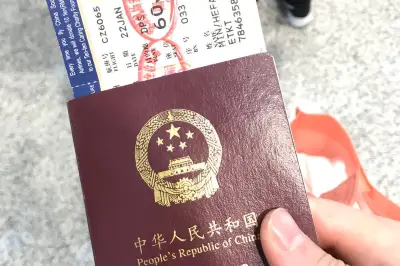
After getting off the plane, just follow the crowd—everyone goes to the VISA ON ARRIVAL counter on the first floor for immigration check and visa on arrival. First step: Pay for the visa. This is simple: present sufficient US dollars and tell the officer how many days you plan to stay (1-7 days: US$10 per person; 30 days: US$25 per person). You’ll immediately receive a visa receipt and proceed to the next VISA ON ARRIVAL counter to queue for immigration inspection. Second step: Prepare your original passport, completed customs declaration form, arrival/departure card, and visa receipt. Hand them to the officer, who will do some computer key-in and verify your photo. Then the officer behind will affix the visa sticker to your passport and return it along with the departure card and visa receipt.
In fact, just follow the crowd and signs, complete procedures step by step. If you’re unsure what documents to present, don’t worry—there will be signs. If still unclear, put everything in your passport; airport staff will take what they need and leave what’s needed. Just make sure the departure card is stamped and given back to you, as it will be collected when you leave. Also, check that the visa receipt matches the number of days you paid for.
2. Usable US Dollars in Bali
Exchange suitable US dollars in your home country beforehand: Bills from 1996 or earlier are not acceptable; bills starting with CB are not acceptable; wrinkled bills are also not accepted. 90% of money changers in Bali are dishonest—they won’t cheat you much, at most Rp20,000-Rp80,000, but it’s still annoying. We call it sleight of hand. So when exchanging for Indonesian rupiah, it’s best to have your driver take you to avoid being cheated. Safe options include Tragia Department Store in Nusa Dua, Matahari Department Store in Kuta, and Kodak camera stores—they are all reliable.
I’ve observed many money changers; only 1-2 accept Chinese yuan, so it’s better not to use yuan—it’s inconvenient, and the US dollar rate is the highest.
3. Tipping
Many people ask about this. In Bali, unless you’re with a tour group (where the guide suggests leaving tips for face), or staying at a high-end villa with a butler, tipping is not necessary. However, if you choose to tip, never give US$1—that’s embarrassing because small US bills have a very poor exchange rate in Bali. Instead, give Rp10,000—they can use it immediately.
When taking taxis, prepare small bills as many drivers claim not to have change and shortchange you. It’s good to have Rp5,000 notes handy.
Restaurants already include tax and service charges. When the bill comes, the waiter usually places the entire bill and your payment in front of you, allowing you to take the change—don’t be shy; take all of it.
4. Voltage Converter
Many small hotels do not provide voltage converters. You must bring your own 220-volt two-prong round plug. If you can’t find one, buy it at a department store upon arrival.
5. Umbrellas
Many hotels provide umbrellas, but don’t be fooled—they are huge, about 4.5 feet tall. If you have a rental car, that’s fine, but if you’re walking around, would you carry such a heavy umbrella? Better bring your own collapsible umbrella.
6. Toiletries
Except for high-end hotels, Bali accommodations do not provide slippers, toothbrushes, toothpaste, or shower caps. Bring your own.
7. Mosquito Repellent
During the rainy season, there are many mosquitoes. If you can’t buy repellent at home, get it at a supermarket or convenience store in Bali. Johnson’s “Autan” is effective, available in liquid and cream forms; I find the liquid more refreshing and easy to use.
Hotels provide mosquito coils—higher-end ones use electric, while basic ones use burning coils. You must know how to ask in English: “Can you bring me the mosquito repellent?” Otherwise, you’ll be bitten all night.
8. Managing Valuables
Never carry your passport on the street—it’s unnecessary and no one checks. Store your passport, unused money, and tickets in the hotel safe, whether in-room or at the front desk—they are very safe. Of course, if you lose the key to the front desk safe, you’ll have to pay a fee.
9. Small Animals and Insects
In Bali, unless you stay at a business hotel, resorts and rooms with open balconies will always have mosquitoes and bugs. If you are particularly afraid of darkness, toads, ants, or insect noises, avoid staying in Ubud, or you will be very scared.
10. Difference Between ARMA and Neka Art Museums
Many people ask about this, so here’s a summary:
The Agung Rai Museum of Art (ARMA Museum)
Neka Art Museum
The opening hours above should be double-checked with your driver in Ubud; they may be closed on holidays.
That’s all I can think of for now. Note: If you need sample arrival/departure forms or customs declaration forms, email me to request them. For any other questions about Bali, email me at cwjepun2005@yahoo.com