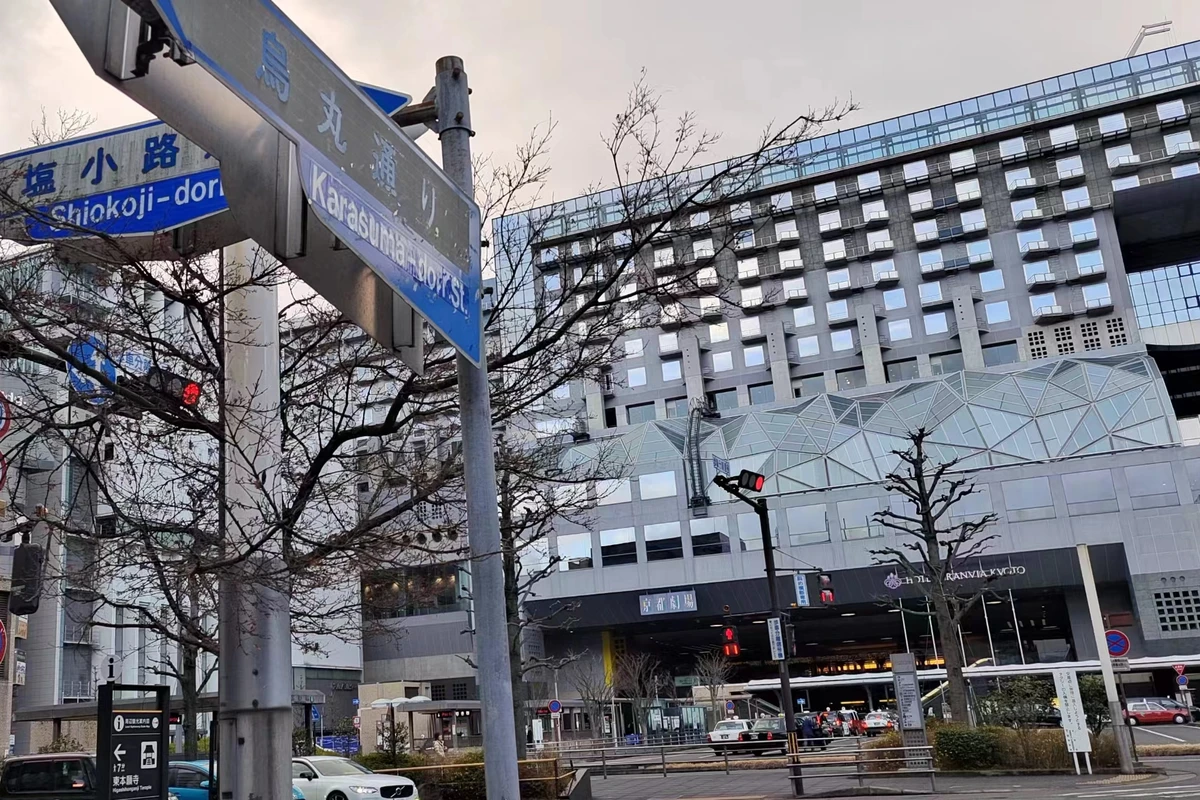
Japan Transportation Experience
Because we wanted to experience Japan's transportation, we didn't buy any passes like a travel card or Suica. We bought a ticket for each ride. Just after arriving in Osaka, we were baffled by the incredibly complicated bus transfers, wandering around the station in circles several times, getting on the wrong train, and buying the wrong ticket. Later we figured out some tricks. First, using Google Maps for navigation requires a good mobile signal for accurate real-time positioning. If you don't know where you are, no route map will help. The SIM card and data package we bought didn't work well—we often lost signal and couldn't connect to the internet in stations (especially underground), which was the main reason we couldn't find our way initially.
Second, given this situation, I later found that when using Google Maps, you should look up the route in advance where the signal is good, and then follow the entrance/exit numbers in the route plan. Be sure to remember the number, like Exit 4 or West Gate. Also remember the platform and direction when boarding. That way, even if you lose internet, you won't panic. Major stations in Japan are essentially built into shopping malls, bustling with people, with exits going in all directions. But their numbering is quite clear; following signs inside the station can be more reliable than relying on a Google Maps that has no signal.
Third, most stations have ticket vending machines. Provided you find the right station (make sure whether it's a subway, train, or bus stop), when buying a ticket, remember the station's code rather than its name. We once entered the wrong station, so we couldn't find the route ticket on the vending machine. Sometimes we tried to buy a ticket using the station name from the transfer guide app, but even if the app had Chinese names, the vending machine wouldn't show them, and you couldn't type them in. Later we realized you enter the station code—for example, the code for Tokyo's private subway Asakusabashi Station is A16 (see photo). At the departure station, enter your destination station code, and the machine tells you how much to pay. Another method is to look up at the route map on the wall; under each station name there's a number like 180 or 220. This number is the fare to that station. Typically the minimum fare is 180 yen, 220 yen after three or four stops, and more for longer distances. So check the fare to your destination and insert the exact amount. If you buy an insufficient ticket, find a fare adjustment machine before exiting. Insert your entry ticket, and it automatically calculates the additional fare. We mostly took the subway in Japan, and only took the bus once in Kyoto. There, you pay when you get off, with a flat fare of 230 yen per person regardless of distance. They have now canceled the one-day bus pass and replaced it with a combined bus and subway one-day card costing over 1000 yen, suitable for frequent riders. Since we didn't visit many places, we didn't buy it.
Fourth, if you buy tickets on the spot like we did, the ticket is a small piece of paper. When entering, you insert the ticket; it comes out the other side, already stamped. You must take it and use it again when exiting. At the exit, insert the ticket. If the fare is correct, the gate swallows it. If the fare is insufficient, it spits the ticket back out, and you need to go to the staffed gate to pay the difference or use a fare adjustment machine. Because we bought the wrong ticket once, we kept it as a souvenir.
Japan is very safe, with no security checks. The subway doesn't require security screening. At major attractions like museums and the Outer Garden of the Imperial Palace, security just involves a quick glance into your bag by a guard. You don't need ID to buy tickets—you can buy them freely. This at least shows a stable and safe society.
Most of Japan's attractions are temples, which are free and open 24 hours. It's recommended to visit temples during off-peak hours, like early morning or evening, for a different experience. The only places we bought tickets for were the Skytree and the National Museum. We wanted to go to the Ghibli Museum, but we didn't book tickets in advance (reportedly you need to book three days ahead), so we missed it. However, the Tokyo National Museum was quite good. An adult ticket costs 1000 yen for the permanent exhibition, and middle school children are admitted free. They just glanced at the passport's date of birth and let them in. I think the museum is much more worth visiting than Akihabara.


