Artizon Museum near Tokyo Station: A Stroll Through Art Exhibitions Featuring Eastern and Western Masterpieces
Located in the Kyobashi area near Tokyo Station, the Artizon Museum is a serious art museum. Inside, you can see art paintings and sculptures from ancient to modern times, both Eastern and Western, along with many exciting special exhibitions. It is a must-visit spot for those who enjoy exploring art museums and exhibitions in Tokyo.
Artizon Museum: See the Beauty of World Art in Kyobashi
The name Artizon is a combination of the English words "Art" and "Horizon," meaning to allow more people to see artworks that have opened up new eras and broaden their horizons. True to this mission, the museum's collection spans eras and cultures, featuring a diverse range of classic works, including delicate Japanese screen paintings from ancient times, works by Impressionist master Monet, and avant-garde pieces by contemporary Japanese artists. Located in the Kyobashi-Nihonbashi area, the Artizon Museum is very close to Tokyo Station and not far from Ginza, making it easy to incorporate into your itinerary.
Formerly the Bridgestone Museum of Art
The Artizon Museum was originally the Bridgestone Museum of Art, which traces its origins back to the mid-20th century. It was founded by Shojiro Ishibashi, the renowned founder of Bridgestone Tires. Ishibashi, who had a passion for art, collected many artworks and, to share the beauty of art with more people, established a museum on the second floor of the Bridgestone Building in Kyobashi at that time, opening it to the public. His enthusiasm for art promotion did not stop there. A few years later, he established the Ishibashi Foundation to manage the museum as a business and enrich its collection. In 2015, with the redevelopment of the Bridgestone Building, the Bridgestone Museum of Art closed for renovation and finally reopened in 2020 as the "Artizon Museum" alongside the Museum Tower Kyobashi building.
Artizon Museum (Artizon Museum)
Address: 1-7-2 Kyobashi, Chuo-ku, Tokyo
Opening hours: 10:00–18:00, Fridays (except national holidays) 10:00–20:00
* Last admission 30 minutes before closing.
Closed: Mondays (if Monday is a national holiday, closed the following weekday).
* Tickets can be purchased online via the official website. If there are remaining slots for the current time slot, tickets can also be purchased at the ticket counter.
* Admission fees vary by exhibition. Elementary and junior high school students can enter free with a student ID.
* Advance reservation is required, except for children junior high school age and younger.
Artizon Museum Collection
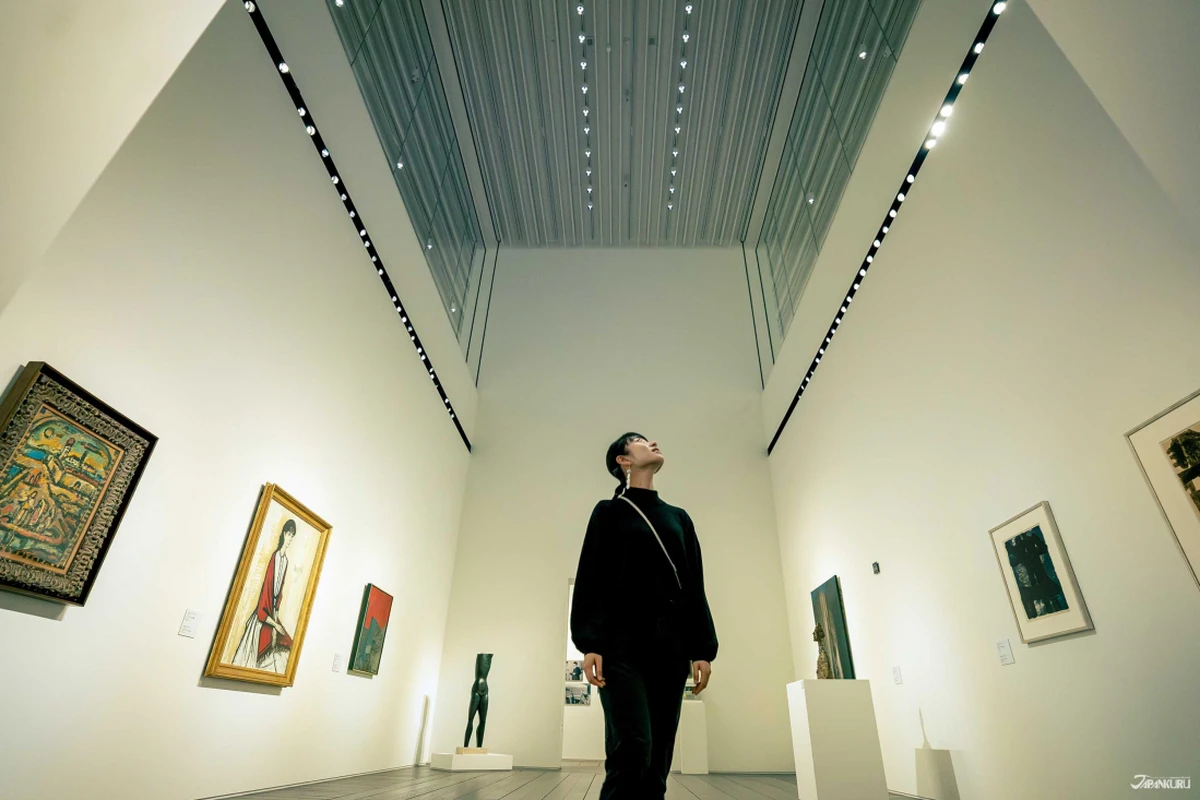
The Artizon Museum has three main floors of exhibition space, with no permanent exhibition per se—since the museum possesses a large collection, works are displayed in rotation throughout the year based on different themes. For example, during our visit, one of the exhibitions was "Selected Works from the Ishibashi Foundation Collection." To highlight the unique features of each piece, the museum adjusts the lighting to present the works in their best condition. The collection includes many works by Western art masters such as Monet, Cézanne, Matisse, Degas, Renoir, van Gogh, Picasso, and Kandinsky. Hearing these names might give the impression that the Artizon Museum mainly focuses on Western modern art, but in fact, the collection also includes a large number of Japanese artworks. However, many of these are Japanese artists' works created in a Western style, which can create the illusion that there are more Western artworks at first glance. While viewing the exhibitions, you may encounter works labeled as "Important Cultural Properties"—pieces specially recognized by the Japanese government and holding significant status in the Japanese art world. Examples include "The Image of the Tenpyo Era" by Japanese Romantic painter Takeji Fujishima and "The Blessings of the Sea" by his contemporary Shigeru Aoki.
Although the collection is diverse, the museum's curated exhibitions make the display smooth and thematic, allowing for an enjoyable viewing experience.
In addition to thematic exhibitions drawn from its own collection, the Artizon Museum also organizes exhibitions featuring works or artists from outside, interspersed with some pieces from its collection. In recent years, one of their ongoing focuses has been women in art. They have planned several exhibitions around this theme, including "Women Reading" (with a focus on women and books) and the currently ongoing (as of the writing of this article) exhibition of French Cubist female artist Mary Laurencin, titled "Marie Laurencin: A Mirror of Her Era." This exhibition showcases a rich array of works by this French artist, offering insight into her artistic life and unique style. At the same time, the exhibition space also displays related works from the museum's collection to broaden visitors' perspectives.
From the various thematic exhibitions at the Artizon Museum, including its annual exhibitions on contemporary Japanese art, it is clear that the museum is passionate about promoting art in a diverse manner. Moreover, in some spaces or corners of the museum, you can find unique sculptural artworks. For example, on the corridor outside the fourth-floor exhibition rooms, you can see a sculpture of "Victoria" by Christian Daniel Rauch, and on the fifth-floor corridor, a sculpture of the Egyptian lion-headed goddess Sekhmet from the ancient city of Luxor—dating back 3,400 years. Photography is generally allowed throughout the Artizon Museum, except where specifically prohibited. These two goddesses in the corridors have become popular photo spots within the museum.
Not far from the sculpture "Victoria" on the fourth floor, there is a gallery space with a unique atmosphere. The lighting in this space is dimmer compared to other areas, and a huge glass display case spanning 15 meters in width is exceptionally bright, showcasing precious artworks, including centuries-old Japanese screen paintings. The glass used is solid anti-glare glass, perfectly protecting the works while ensuring their display quality.
If you want to learn more about the exhibited works, you can download the Artizon Museum app for free on your phone. It provides detailed introductions to each work, available in Japanese, English, Korean, and Chinese. If interested, remember to bring headphones to listen to the audio guide in the app.
Architecture as Art
The Artizon Museum houses many classic and timeless artworks, and the building itself is also an artwork worth appreciating. Designed by the Japanese design firm TONERICO: INC, the building features large glass curtain walls on the exterior, paired with an interior dominated by gray stone materials, creating a stylish and stable atmosphere. Walking through the museum, you can discover delicate design details hidden in various corners, such as a large "bubble"-like art installation behind the cloakroom counter on the third floor. This understated elegance neither outshines the artworks inside nor fails to impress with its design aesthetics. Notably, some of the furniture in the museum is custom-designed by the museum itself, and you can also see pieces by Japanese furniture designers.
Another highlight is the spacious exhibition spaces, which feature adjustable walls to allow staff to design different layouts and routes for various types and sizes of artworks. On the fourth and fifth floors, there is an atrium that offers visitors a completely different perspective for viewing the artworks. Additionally, on one side of the fourth and fifth floors, a "VIEW DECK" space is provided for visitors who may need a rest while enjoying the view through the glass windows, as if the scenery itself were part of the collection. If you have used up a lot of phone battery listening to audio guides or taking photos, there are power outlets at the seating areas, allowing you to charge your phone freely if you have a charging cable.
Museum Gift Shop and Café
One of the pleasures of visiting an art museum is browsing the gift shop afterward—where you can always find exquisite gifts related to the artworks in the collection, including household items and stationery. Postcards of paintings are very popular, and small items like keychains and badge pins made from elements of the collection's works are delicate and cute, suitable for personal use or as gifts. Additionally, you can find stationery items made in the main colors of famous paintings, lightweight colored pencils, and even teas and hand creams that match the style of the exhibited works—quite interesting. Notably, the Artizon Museum gift shop often carries limited-edition items related to temporary exhibitions, making them hard to find once the exhibition ends.
The café on the first floor of the Artizon Museum offers original dishes and dessert sets that blend Japanese and Western styles. It usually operates during lunch (11:00–14:30) and café (14:30–18:00) hours, and is well-regarded in Tokyo, especially for lunch. The café's dishes are distinctive and match the museum's refined and quality atmosphere—delicious as well. The menu changes with the seasons and often features different options to complement current exhibitions. During our visit, we tried dishes such as salmon terrine with avocado roll and green beans, special mushroom cream sauce fettuccine, and roasted venison leg with pumpkin, beetroot, and mixed berry sauce. During café hours, the café offers light desserts and drinks. That day, we enjoyed a strawberry pistachio mille-feuille and a ruby elderflower soda created to accompany the Marie Laurencin exhibition—both were stunning.
Expand Your Artistic Horizons in Tokyo
With its rich collection and talent for bringing in outstanding works from elsewhere, the Artizon Museum uses its unique curatorial vision to bring the beauty of world art to Tokyo for more people to see. If you enjoy appreciating art through exhibitions, take the opportunity to go on an art stroll around Tokyo Station. The Artizon Museum collaborates with five other museums in the Tokyo Station area to offer a special museum pass called "6 Museums. Tokyo," which provides discounted admission and includes a walking map. It is highly recommended for art lovers.
Looking at artworks and learning about the life stories of artists can become sustenance for the soul at certain moments in life—and that, I believe, is one of the reasons many people love art.


