A Return to Yunnan, the Land of Colorful Clouds
Since the COVID-19 pandemic in 2020, so many travel plans have fallen through. In early August this year, the epidemic situation in Harbin calmed down a bit, so my girlfriends and I felt the itch to take a trip to Yunnan for a few days. But my Yunnan journey turned out to be incredibly bumpy. Truly a case of good things come hard, overcoming hurdle after hurdle.
First hurdle: setting the date. Because Fatty had surgery in an unmentionable area and it took over a month to just barely recover, my girlfriend's family left ahead of us, so I had to wait patiently. Finally, we settled on August 11th for departure.
Second hurdle: getting leave. Due to the pandemic and the office moving soon, I felt a bit nervous about asking for leave. On Monday the 8th, as soon as I got to work, I went to the new boss for signature. Unexpectedly, the new boss was super cooperative and signed without a word.
Third hurdle: the pandemic. After getting leave, my other girlfriend and I quickly booked flights. But before noon, we heard that a mass PCR test in Hulan District on Sunday had positives, and Harbin required three consecutive days of testing. My heart sank! If we tested positive and turned into an epidemic area, we wouldn't be able to go anywhere and would have to refund our tickets. Fortunately, everything went without a hitch; Harbin held up.
Fourth hurdle: flight delay. Due to military activities, our original 9 am flight was pushed back and forth, finally taking off at 11:30. Because of the first leg's delay, we couldn't make the second flight, leading to...
Fifth hurdle: rebooking. Because I was too quick and checked in for the second leg on the app, I couldn't cancel it, and customer service couldn't help. I could only rebook at the airport counter after landing in Chongqing. So my heart was in my mouth until we landed, worried that the flight I wanted would be full and we'd have to stay overnight. Finally, we landed safely, rebooked smoothly, took off at 22:50, and arrived at our first destination—Xishuangbanna—after midnight.
Day 1: Xishuangbanna (overnight). Yunnan: 12 years ago, I had an in-depth trip with friends on the classic route, covering almost everything. So this time my plan was to explore off-the-beaten-path places I missed back then. First stop, Xishuangbanna was mainly to meet up with my girlfriend, so we booked a homestay just one street away from her family's place. In the morning, we arranged to have breakfast together at a nearby morning market and take a stroll. Visiting local farmers' markets during travel is a big passion of mine. Right across from where we were staying, there was a morning market. We had a simple breakfast there, and the car we rented online was delivered to our hotel door—it was a brand-new car picked up just yesterday, not even licensed yet.
Photo description: tiny corn, only palm-sized, sold cooked in the morning market, sweet, tender, delicious.
Photo description: squash flower
Photo description: porcini mushroom
Photo description: this mango is delicious, smelling like durian.
Photo description: ready to go. First stop: Manting Park
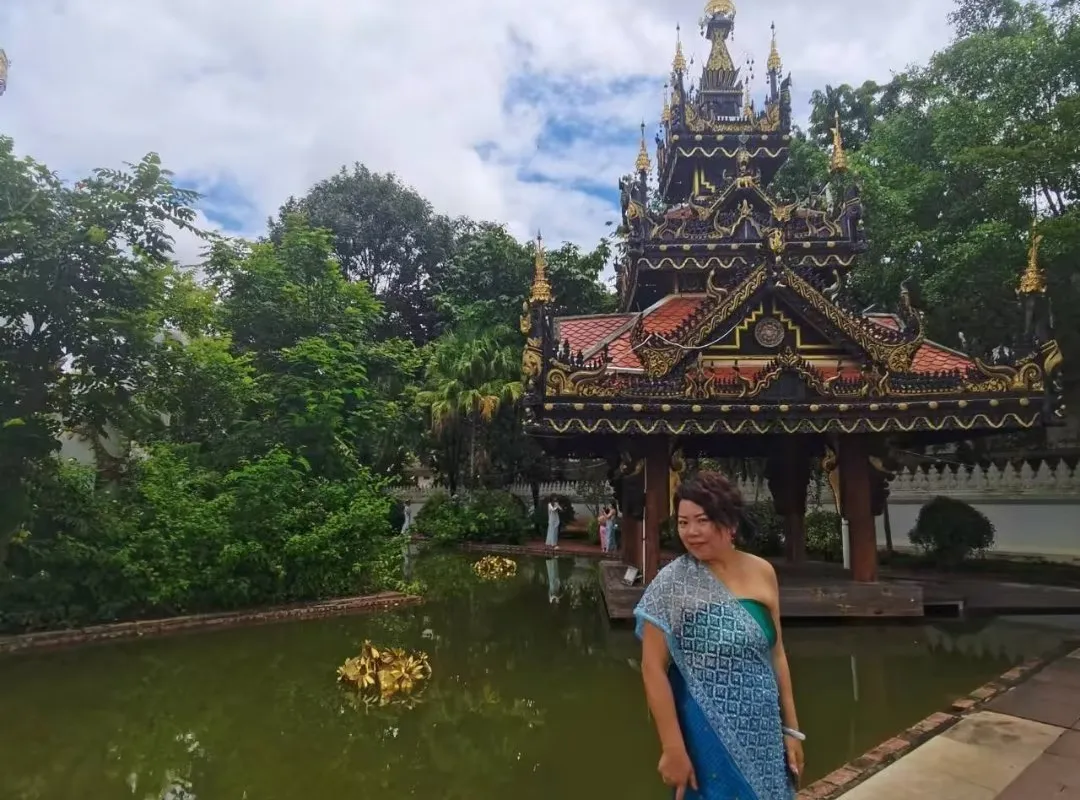
Manting Park is the oldest park in Xishuangbanna, once the imperial garden of the Dai kings. The scenic area embodies three major thematic features: Dai royal culture, Buddhist culture, and Dai folk culture. Although it kept drizzling, it meant no heat and no harsh sun. Many female visitors changed into traditional Dai costumes for photos, which felt perfectly fitting. Photo description: The park is lush and full of colorful flowers. Photo description: Small flowers scattered on the ground. Photo description: The misty rain on the lake couldn't create reflections, but the misty scene was very poetic. Photo description: The park connects to the General Buddhist Temple, entry free. Photo description: This little building is all wooden, quite exquisite.
At noon, we had lunch at a restaurant near the park called "Cucha Danfan" (Simple Fare), ordering dishes and flowers you can't get at home. Though just a small roadside eatery, everything tasted great. Photo description: tilapia made into pickled fish. Photo description: stir-fried porcini. Photo description: butterfly pea flower omelette. Photo description: water spinach. Photo description: stir-fried zucchini.
Second stop: Xishuangbanna Botanical Garden. The botanical garden is the most worthwhile scenic spot in Xishuangbanna, bursting with vibrant flowers, the elegance of dipterocarps, the charm of palms, the allure of cycads, the grace of bamboo groves, and a riot of fragrances that dazzles the eyes. Tropical rainforest wonders like cauliflory, strangler figs, and single-tree forests are everywhere. As a lover of flowers and plants, I didn't want to miss any, so I was snapping away... Photo description: This flower from the "Cows Hoof Bean" is especially photogenic, dreamy with its blurred effect. Photo description: This should be hibiscus. Photo description: These white lotus blossoms look so enchanting. Photo description: This flower bloomed huge and magnificent. Photo description: Victoria amazonica—the largest water lily, could hold a child. Photo description: "String of coins" plant.
Dinner at a Xiaohongshu-recommended place—Jingxiangyuan Dai Flavor Restaurant, tasting authentic Dai cuisine. We ordered many dishes, each with great taste and distinctiveness. Because they were so delicious, I forgot to photograph many of them, haha! The true mark of a foodie. Photo description: Dai-style stir-fried beef, chewy and flavorful. Photo description: Pineapple rice, made from soft glutinous rice. Photo description: Grilled tilapia with lemongrass. Photo description: Honey chicken. Photo description: Banana flower. Photo description: "Baoshao" pork (banana-leaf wrapped grilled pork). Photo description: "Nanmi" eggplant (a dipping sauce). Photo description: Grilled pork wrapped in banana leaf.
Day 2: Xishuangbanna – Pu'er (overnight). Waking up, the succulents at the hotel entrance were stunning. We again went to the morning market for breakfast, trying a local specialty—a type of sticky rice that's on the firm side, mixed with various local side dishes. Then we set off, today choosing to avoid crowds and visit a few lesser-known spots. Though free of charge, they are very photogenic. We had a lovely day of picture-taking. Photo description: The succulents at the hotel entrance were particularly pretty. Photo description: The succulents at the hotel entrance were particularly pretty. Photo description: A local breakfast specialty—firm sticky rice mixed with various small dishes; except the rice being a bit too firm for me, everything else was quite delicious.
First stop: Prajna Temple. In Xishuangbanna, the Dai people are the majority minority group, and because they believe in Buddhism, there are many temples. Prajna Temple, far from the city bustle, is a quiet and serene white stupa. The whole structure is white, hence called the White Pagoda, somewhat like Chiang Mai's White Temple. Though not large, this pagoda has a unique style—a large central stupa flanked by two smaller ones, symmetrical on all four sides. Against the blue sky and white clouds, the white stupa looks solemn, sacred, and peaceful.
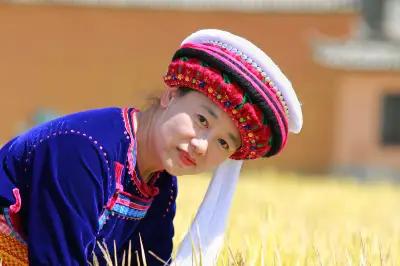
Second stop: Dai Water Town. The Dai people love and revere water; they have chosen to live near water since ancient times. The Dai Water Town is a whimsical concept for the city, channeling the ever-flowing Lancang River water into town. By managing and utilizing the original waterways, the clear waters of the Lancang are diverted through east, central, and west water courses, creating a scenic water leisure loop and a complete Dai Water Town. It showcases Xishuangbanna's Dai water culture and a fresh urban image, shaping a more charming, magical, beautiful city. We changed into Dai costumes my girlfriend had prepared at home and started posing for more photos... (Please ignore my extra curves.)
Third stop: Grand Golden Pagoda Temple. Jinghong Grand Golden Pagoda, also known as Myanmar Golden Pagoda, is located in the core of Gaozhuang Xishuangjing scenic area. Majestic, grandiose, glittering, with exquisite design, it sits on the north bank of the Lancang River. The temple faces south, consisting of the pagoda, Buddha's Foot Stone (based on the legend of Buddha's three visits to Banna), a wish-making platform, etc. The Grand Golden Pagoda is a modern newly built pagoda, embodying Theravada Buddhist cultural essence of Xishuangbanna and the Mekong River basin. Also a great spot for photos. Photo description: monk.
At noon, we ate at a small restaurant near a gas station called "See the Dishes and Eat." After lunch, we split up and headed to the next destination—Pu'er (by train). Dinner was free-range chicken soup eaten near our homestay in Pu'er; I was too busy eating to take photos. After being full and content, I strolled hand in hand with Fatty and happened upon a large night-blooming cereus in full bloom. Photo description: Lunch, bitter beans—at first bite a little bitter, but quite tasty on closer savor. Photo description: Sweet bamboo shoots. Photo description: Encountering a huge epiphyllum (queen of the night).
Day 3: Pu'er – Mile (overnight). We browsed the Tea Horse Ancient City—entirely post-modern, overly commercialized, and quite dull. However, the sea of flowers in the Tea Horse Ancient Road Park was my girlfriends' and my favorite spot, leading to another round of photo-taking. Later, we visited the Pu'er Tea Museum downtown to learn about Pu'er tea's history and culture. After lunch, we departed for the third destination—Mile (by high-speed train). Photo description: Tea Horse Ancient City had some elements that the "Big Baby" liked. Photo description: Enjoying a bag of Vietnamese-style iced coffee in the Tea Horse Ancient City. Photo description: Big Baby's chubby cheeks look just like this Totoro. Visiting Pu'er Tea Museum~
Day 4: Mile (overnight). In Mile, we booked a large homestay so all ten in our group could stay together. Without a rental car, we used ride-hailing or taxis.
First stop: Five-Colored Cloud Pools. In the morning, we went to a wonderful place I found while planning at home: Jinping Mountain Five-Colored Cloud Pools. Located in Jinping Mountain Scenic Area, at the foot of the mountain beside the Mile Giant Buddha, the pools in the Dianxi Wetland consist of cascading jade-green waters at different levels. The blue sky and shifting white clouds reflect in the pools, making you feel like you’re among the clouds—a fairyland on earth. Photo description: Gazing at Jinping Mountain from afar, the Five-Colored Cloud Pools echo with the Longhua Pagoda; sky, pagoda, and clouds have merged into a natural painting. I marvel at nature’s infinite charm and the ingenuity of the designer and builders. Standing right beside the pools, you truly experience what “Cloud Pool” means, with blue sky, white clouds, and mountain colors reflected so beautifully. Photo description: Walking along the stone path, bathed in sunlight, watching the water scene—it’s utterly refreshing. Mile’s Five-Colored Cloud Pools is a free “mirror of the sky” spot, definitely worth visiting.
Second stop: Dongfengyun Scenic Area. Since deciding to visit Mile, I’ve been fascinated by this area’s unique architecture, said to be inspired by wine bottles of various sizes, expressed in red brick: pure, mysterious, and magical. Although it’s a completely man-made attraction, it’s great for photos and very photogenic, only the sun was blazing today, and we found most of us sunburned afterwards. That’s typical Yunnan—not high temperature but extremely strong UV; you get burned without noticing, so be sure to use sun protection! Dongfengyun is an art town combining leisure, Buddhist culture, folk experiences, and eco-tourism, but we only stopped by the red brick architectural complex and the flower sea (alas, many past peak bloom and dried up already).
Day 5: Mile (overnight). On our second day in Mile, we chose to visit hot springs. Mile has many, and after searching, we settled on Mile Red River Valley Hot Spring Villa, a hot spring nestled deep in the mountains accessible only by boat. Steaming hot spring water flows freely in the mountain streams. Facilities are relatively basic but the natural setting wins. The only downside: with lush vegetation, a kind of tiny black bug bit us all over, leaving lots of red itchy spots, like an allergic reaction, which persisted even after we got home.
Photo description: Waiting for the boat, the hot spring is right in the mountains across the lake, with stunning lake and mountain views.
After soaking, we found a restaurant named “Lao Mile” where locals were queuing up, specializing in old Mile-style snacks.
Photo description: Crispy red beans hometown style.
Photo description: Iced fermented rice cake.
Photo description: Appetizing sour pork skin.
Photo description: Braised chicken.
Photo description: Cold rice noodle rolls.
Photo description: Grilled skewers.
Photo description: Pumpkin tip and peanut soup.
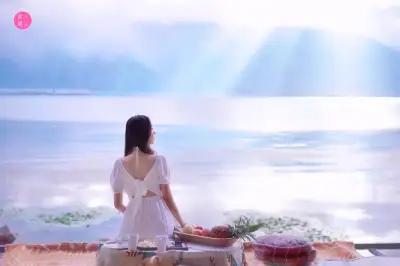
Day 6: Mile – Dali (overnight). We took the high-speed train from Mile to Dali and parted with my girlfriend’s family here (she had to work). She booked us a great homestay right next to Erhai Park; from the living room balcony, we could see Erhai Lake. After checking in, we strolled in the park. Enjoying the lake breeze, the water was calm, clear, with lush aquatic plants and white flowers blooming on the surface, plus tiny water birds foraging. In the evening, a local big brother (my girlfriend’s husband’s older brother, who settled in Yunnan) took us to a small diner known only to locals to savor authentic Dali flavors.
Photo description: “Waterweed flower” soup.
Photo description: Stir-fried arrowhead with pickled vegetables.
Photo description: Dali-style stinky tofu.
Photo description: Sour-spicy fish.
Photo description: Fried oil powder.
Photo description: Fried milk fan.
Day 7: Dali (overnight). I’d been to Dali 12 years ago; this time, mainly to accompany another girlfriend who hadn’t. So we only had one day planned. To make the most of it, we booked a chartered car tour around the lake with photo-guide service online. Erhai Lake got its name because it’s shaped like an ear; it stretches 40 km north to south, the second-largest lake in Yunnan after Dianchi. To the west, the Cangshan Mountains stand like a screen; to the east, the Yu’an Mountain encircles it, creating beautiful scenery. We circled the lake, taking in all the views.
First stop: Li Xiang Bang (Utopia). It’s a small town built on a hillside, with curvy architecture like a utopian village. Right beside it are Cangshan and Erhai, blending buildings with nature seamlessly—really beautiful. Actually, it’s a scenic spot created by hotels, somewhat imitating the Aegean style, mainly in blue and white. The best scenery is inside the hotels, so we just took a quick look.
Second stop: Little Putuo. This is a tiny island in Erhai Lake. Legend says when Guanyin created the Dali basin, she dropped a seal to calm the sea here, forming the island, a “pocket islet.” On it stands a two-story pavilion with a double-eaved roof, housing a statue of Guanyin. I’d set foot on it during a boat trip before; this time, we admired it from the shore.
Third stop: Lakeside. Our driver-cum-photographer took photos of us by the lake. For lunch, he drove us to a restaurant; we ordered everything we wanted, spending over 400 yuan. Afterward, the driver remarked that we’d chosen all the good dishes. Photo description: Copper pot potato rice.
Photo description: Pu’er chrysanthemum mint tea.
Photo description: Dali specialty—raw pork skin, freshly slaughtered in the morning, only the hair side lightly torched, the meat underside still raw, eaten with a dipping sauce. It’s said to be available only before noon because the meat spoils after. I just tasted a tiny bit; couldn’t quite appreciate it.
Photo description: Baojiang tofu (soft tofu).
Photo description: Stir-fried waterweed flower.
Photo description: Azalea soup.
Photo description: Steamed “bowfish” (a lake fish from Erhai, delicious).
Photo description: The lake outside the restaurant was covered in yellow blossoms.
Fourth stop: Xizhou Ancient Town. The town boasts over a hundred Bai-style courtyard houses from the Ming, Qing, Republican, and modern eras. From afar, it looks like a quaint, elegant city, even more like a giant museum of residential architecture. The unique shapes and near-perfect structures exude a dignified solidity yet light agility, classical grace with free-spirited flair. The driver’s family lives right in Xizhou, so he smoothly navigated the narrow streets. When I wanted to take photos, he stopped by an antique house for us. Then he drove us to the rice paddies behind town for more pictures. Photo description: Tucked deep in time, a thousand-year-old town that still holds charm, neat rows of Bai houses. After the paddies, we went to Butterfly Spring. Since I’d been before, I waited outside and bought two big butterfly specimens for my mother. My girlfriend popped in for a quick look and came out soon. Then the driver took us to a popular photo spot for more beautiful shots.
Fifth stop: The most beautiful S-curve. The S-bend became an internet sensation in recent years, a must-check-in spot for anyone cycling around Erhai. You can cycle here, feeling the cool lake breeze, or just sit and daydream. My girlfriend took Fatty to rent bikes and ride; I’m not good at cycling, so I chose to daydream. Sitting by the lake, listening to indie singers pour their hearts out.
Sixth stop: Dali Ancient Town. Fatty thoroughly enjoyed the cycling, his most engaging activity of the trip. By the time we reached the last stop, the ancient town, it was already dark. We first ate—stone-grilled meat on a marble platter—then strolled around. The modern ancient town is full of bars, live houses, cafés, a nightlife haven. With our mixed ages, we weren’t that into it, preferring to browse the quirky little trinkets. Everyone was exhausted after a long day, but we still wandered until past ten before heading back. An incredibly full day, dead tired! Photo description: Dinner—stone plate barbecue.
Day 8: Dali – Puzhehei (overnight). In the morning we headed to Dali Geothermal Kingdom for a hot spring soak. Our trio’s travel passions: good food, hot springs, and local markets. So whenever a destination has hot springs, we usually go. En route, we passed the Three Pagodas of Chongsheng Temple. We didn’t enter, just got off to take a couple of photos from afar. The driver told us briefly: the tallest central pagoda is from the Tang dynasty, the two behind from the Song dynasty, all standing for over a thousand years, iconic landmarks of Dali. The hot spring was great, with a strong sulfur smell upon entering and many different pools. We soaked so comfortably we didn’t want to leave and almost missed our train. We arrived in Puzhehei around 7 p.m. The little village was quite lively, roadside stalls selling all sorts of lotus-related snacks: fried lotus flowers, lotus pods, fresh lotus seeds... Photo description: Fried lotus flower. Photo description: Steamed mandarin fish.
Day 9: Puzhehei (overnight)