Which brand of Fangxian yellow wine is the best?
Which brand of Fangxian yellow wine is the best? I personally love yellow wine. During this trip to Mount Wudang and Shennongjia, I accidentally had the chance to drink pure handmade Fangxian yellow wine from a local farmer's home. It was slightly sweet on the first taste, with a subtle bitterness upon savoring, and a full, rich aroma. Compared to yellow wines from the Jiangsu-Zhejiang region, it has no medicinal, ashy, or herbal taste—truly excellent. I recommend it here. For those who love Fangxian yellow wine, you can follow the WeChat public account "Fangxian Tucheng Yellow Wine" to contact the farmers! I searched online and found that CCTV previously reported on the yellow wine from Tucheng Town in Fangxian. Here's the video for you to watch:
Fangxian yellow wine is a regional type; almost every local household in Fangxian knows how to brew it. Locals simply use the place name plus "wine" to form the name "Fangxian yellow wine." Many people within Hubei Province know about it and drink it. With profit potential, some wineries began mass-producing under the name Fangxian yellow wine. However, the taste of factory-produced wine differs significantly from the handmade version by rural families.
I checked historical records. Fangxian yellow wine has a documented history over 400 years older than Shaoxing yellow wine. Its long history speaks for itself, but there is no nationally renowned benchmark enterprise locally—for various reasons. As a result, this excellent wine is little known outside Hubei, which is truly a pity.
Which brand of Fangxian yellow wine is the best? The history, drinking methods, and brewing methods of Fangxian yellow wine:
I. History of Fangxian yellow wine (quoted from Baidu Baike, somewhat classical; skip directly to the next section if you don't want to read it):
According to historical records, as early as the Western Zhou dynasty (1046–771 BC), people in Fangxian had already begun brewing yellow wine. At that time, the glutinous rice wine called "Baimao" was the precursor to today's Fangxian yellow wine.
During the reign of King Xuan of Zhou, the King of Chu sent Yin Jifu (a native of Fangling, Grand Tutor of the Zhou dynasty and author of the Book of Songs) as an envoy to present tribute to King Xuan. Yin Jifu brought a jar of Baimao (yellow wine) brewed by the people of Fangling as a gift. When the treasure was presented and the jar opened, the hall was filled with fragrance. King Xuan tasted it and praised its excellence, immediately designating it as the imperial sealed wine. He ordered that the Baimao supplied annually by Fangling be packed in jars of various sizes, used to seal territories and reward vassals, and appointed Yin Jifu as Grand Tutor to assist in governance. Later, Yin Jifu became a wise minister capable of both civil governance and military defense.
The Book of Songs, poem "Wild Dead Roe Deer," says: "White rushes bundle rice, a girl like jade." Baimao was a southern tribute, so Baimao is the earliest name for Fangxian yellow wine. Later, it was also called yellow wine, imperial wine, and "white horse urine."
After Qin Shi Huang unified China, Fangling became a place of exile for emperors, kings, generals, and ministers. Those exiled there all developed the habit of drinking yellow wine.
During the Han dynasty, Fangling yellow wine became widespread and was used as burial goods by nobles and officials. In 1974, a Han tomb excavated at Qilihe in Fangxian yielded many drinking vessels for yellow wine, including a large jar that still contained yellow wine from that period.
In the Tang dynasty, yellow wine became even more popular. In the first year of Guangzhai (684 AD), Li Xian, son of Emperor Zhongzong of Tang, was demoted by his mother Empress Wu Zetian to Fangzhou as the Prince of Luling. He loved this wine most and was known as the "wine-tasting gentleman." He once wrote a poem: "This wine should only exist in heaven; even the Jade Pool and celestial palace have none. When I return to Chang'an on the dragon chariot, I will send 30,000 hu every year." The Prince of Luling presented Fangling yellow wine as tribute to Empress Wu Zetian, hence Fangxian yellow wine also gained the name "imperial wine," spreading its fame and imbuing it with royal prestige. In the first year of Shenlong (705 AD), the Prince of Luling was restored to the throne and designated Fangxian yellow wine as a tribute wine, to be presented annually forever. Emperor Zhongzong used yellow wine to entertain civil and military officials. After drinking, they felt clear-eyed and refreshed, with a lingering fragrance in their mouths. The officials marveled, and one literary official improvised a poem: "Fangzhou's divine spring water, a royal treasure on the table; blessed by the Son of Heaven, delighted officials all drunk."
Drinking methods of Fangxian yellow wine:
Method 1: Warm it up in winter
Warming Fangxian yellow wine in winter and sipping it slowly makes the flavor stronger. Drinking it warms the stomach and body. Just a slight heating fills the whole room with the wine's aroma. Especially in winter, heating Fangxian yellow wine is the most traditional local way to drink it.
Warm reminder: Do not heat the yellow wine for too long or over high heat, as the alcohol will evaporate and defeat the purpose of warming. The optimal serving temperature for yellow wine is around 38°C (100°F).
Method 2: Drink it chilled in summer
In summer, drinking chilled yellow wine is also a common local practice. Iced yellow wine is very refreshing. The light yellow wine and crystalline ice complement each other, pleasing to the eye and refreshing to the palate.
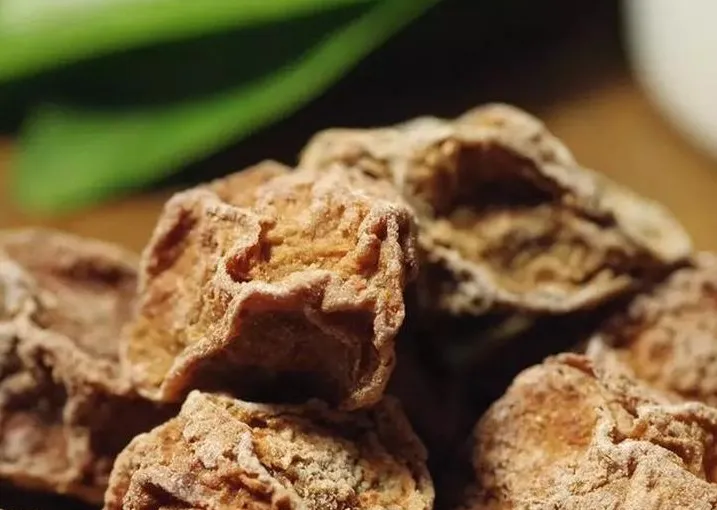
Method 3: Soak with preserved plums (huamei)
Some locals like to soak preserved plums in Fangxian yellow wine before drinking. The sweet and sour plums enhance the wine's sweetness and crispness, making it even more delicious and nutritious.
Method 4: Add ginger slices
Adding ginger slices to Fangxian yellow wine can promote circulation, invigorate the spleen, and stimulate appetite. It is also excellent for preventing colds. Traditional Chinese medicine holds that moderate consumption of Fangxian yellow wine can improve blood circulation and metabolism. Ginger slices warm the body and dispel dampness. Combining them with yellow wine enhances the effects, helping to induce sweating, ward off cold, and promote blood circulation—a rare and excellent combination.
Method 5: Add bayberries (yangmei)
Soaking bayberries in Fangxian yellow wine is another drinking method. Because bayberries are rich in organic acids, vitamin C, and have a tart flavor, they help relieve heat, cut greasiness, and beautify the skin.
Method 6: Steep with medicinal herbs
Soaking ginger, goji berries, red dates, longan, and other ingredients in Fangxian yellow wine yields a warm, nourishing drink with excellent health benefits.
Method 7: Steamed eggs with yellow wine
Steaming eggs with yellow wine—men eat it to invigorate blood and energy, women to nourish and beautify. The steamed eggs have a silky texture and the unique rice aroma of Fangxian yellow wine. It is an excellent tonic.
Brewing method of Fangxian yellow wine (farmhouse handmade method):
Step 1: Washing the rice
Step 2: Loading the steamer
Step 3: Steaming the rice
Step 4: Removing from the steamer
Step 5: Mixing in the starter
Step 6: Sprinkling with mold (lin mei)
Step 7: Drying the mold (shai mei)
Step 8: Building the nest (lei wo)
The above is an introduction to the question, "Which brand of Fangxian yellow wine is the best?" The biggest takeaway from this trip, besides enjoying the scenery of Mount Wudang and Shennongjia, was discovering the Fangxian yellow wine brewed by local farmers. It is truly an irreplaceable brew. Yellow wine lovers, you really should taste it.