Which Fangxian Yellow Wine Is the Best? Reflections on Tasting Fangxian Yellow Wine During a Trip
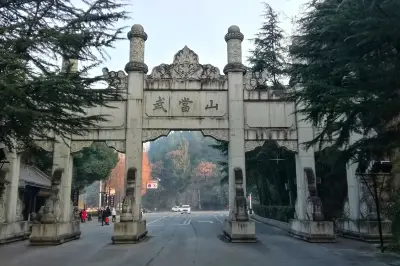
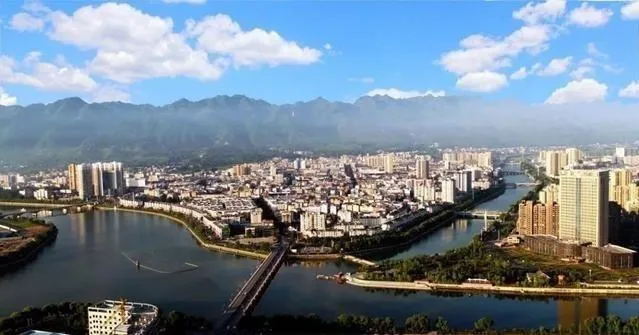
Which Fangxian yellow wine is the best? I used to mainly drink baijiu, but in the past two years I felt my body couldn’t handle it. On a friend’s advice that yellow wine is good for health, I considered switching to yellow wine. However, after trying all the major brands on the market—Tapai, Guyuelongshan, Kuaijishan, Hejiu, Shikumen, Shazhou Youhuang, Jimo Old Wine, etc.—I always detected a medicinal taste, ash taste, or burnt flavor. Later I found out that many commercial yellow wines have added caramel color. So I started looking for additive-free yellow wine, and by chance I came across Fangxian yellow wine online. It is said that local family workshops in Tucheng Town, Fangxian County, brew it using traditional techniques and pure manual methods. Its history dates back over 400 years earlier than Shaoxing yellow wine. Because it has no additives and no blending, its shelf life is short—even refrigerated, it can only be stored for about six months. Taking the opportunity of a trip to Wudang Mountain with friends, I made a special trip to Fangxian County. At a local family workshop, I tasted an excellent Fangxian yellow wine called Fuju (the first press of the fermented wine). From now on, I may only drink this brand. For those interested, you can follow the WeChat public account: Fangxian Tucheng Yellow Wine to learn more. Below are some materials I collected. If you find them helpful, feel free to like, share, and forward to friends—good things are worth sharing!
After tasting this yellow wine at a local farmhouse in Fangxian, I learned in detail that its history is older than Shaoxing yellow wine. As early as the Zhou Dynasty, it was designated as a “Border-Fortress Imperial Tribute Wine,” and later in the Tang Dynasty, it was named “Imperial Yellow Wine,” becoming a court tribute. Fangxian County is inland and has been a national-level impoverished county for many years, with inconvenient transportation. Thus, Fangxian yellow wine has long been overlooked, known only within Hubei Province, while Jiangsu and Zhejiang yellow wine brands are more famous outside the province. Fangxian yellow wine was once reported by China Central Television.
Personally, I think the best yellow wine is undoubtedly Fangxian yellow wine—no question about it. Let me clarify: the Fangxian yellow wine I refer to is the glutinous rice yellow wine hand-brewed by local villagers in Fangxian. Almost every rural household in Fangxian makes it for their own consumption. Its taste and quality far surpass the yellow wine produced by large wineries. Basically, locals who drink will ladle two bowls from their home jar before meals to whet the appetite. At weddings, funerals, or banquets, yellow wine is indispensable.
I looked up some information online. Fangxian yellow wine has a recorded history more than 400 years earlier than Shaoxing yellow wine. Let me list the historical origin, drinking methods, brewing process, and health benefits of Fangxian yellow wine for those interested:
According to historical records, as early as the Western Zhou Dynasty (1046–771 BC), the art of brewing yellow wine already existed among the people in Fangxian. The “Baimao” (white thatch) brewed from glutinous rice was the predecessor of today’s Fangxian yellow wine.
During the reign of King Xuan of Zhou, the King of Chu sent Yin Jifu (a native of Fangling, Grand Tutor of the Zhou Dynasty, and author of the Book of Songs) as an envoy to pay tribute to King Xuan. Yin Jifu brought a jar of Baimao (yellow wine) produced by the people of Fangling as a gift. When the treasure was presented and the jar opened, the hall was filled with fragrance. King Xuan tasted it and praised it highly, then decreed it as a “Border-Fortress Imperial Tribute Wine.” He ordered that the Baimao sent annually from Fangling be packed in jars of various sizes, used to demarcate territories and reward vassal lords. He also appointed Yin Jifu as Grand Tutor to assist in state affairs. Later, Yin Jifu became a virtuous minister adept in both civil and military governance.
From the Book of Songs, “Wild Dead Deer”: “White thatch, pure rice, a girl like jade.” Baimao was a southern tribute, so Baimao is the earliest name for Fangxian yellow wine. Later, it was also called yellow wine, imperial wine, and “white horse urine.”
After Qin Shi Huang unified China, Fangling became a place of exile for emperors and generals. Those exiled there all developed the habit of drinking yellow wine.
In the Han Dynasty, Fangling yellow wine became widespread and was used as burial goods for nobles. In 1974, a Han tomb excavated at Qilihe in Fangxian yielded numerous wine vessels for yellow wine, with one large jar still containing the original yellow wine.
In the Tang Dynasty, yellow wine became even more popular. In the first year of the Guangzhai era (684 AD), Li Xian, son of Emperor Zhongzong of Tang, was demoted by his mother Empress Wu Zetian to Fangzhou as the Prince of Luling. He loved this wine so much that he was called the Wine Taster Prince. He once wrote a poem: “This wine should only exist in heaven; even the Jade Pool and Heavenly Palace have none. When the dragon returns to Chang’an, let a hundred thousand hu be sent every year.” The Prince of Luling offered Fangling yellow wine as a tribute to Wu Zetian, hence the name “imperial wine,” spreading its fame and imbuing Fangxian yellow wine with royal aura. In the first year of the Shenlong era (705), the Prince of Luling was restored to the throne and designated Fangxian yellow wine as an annual tribute. Emperor Zhongzong entertained civil and military officials with it. After drinking, they felt refreshed and clear-eyed, with a delightful fragrance in their mouths. All were amazed. One literary official composed a poem on the spot: “Fangzhou’s divine spring water, a treasure on the imperial table; blessed by the emperor’s favor, a hundred officials are drunk with joy.”
The first method: Warm it up in winter. When Fangxian yellow wine is heated to lukewarm and sipped, the flavor becomes richer. Drinking it warms the stomach and body. Just a slight heating fills the whole house with wine aroma. Especially in winter, heating and drinking Fangxian yellow wine is the most traditional local method. Gentle reminder: Do not heat the yellow wine for too long or at too high a temperature, otherwise the alcohol will evaporate and defeat the purpose. The optimal tasting temperature for yellow wine is around 25°C.
Second method: Drink it chilled in summer. In hot weather, frozen yellow wine is also a common local summer drink. Chilled yellow wine is very refreshing. The light yellow wine against sparkling ice cubes is pleasing to the eye and refreshing to the palate.
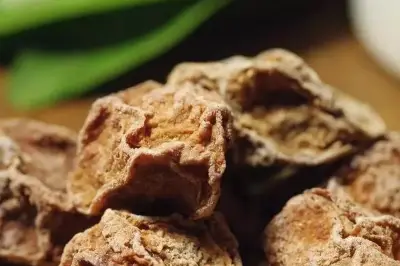
Third method: Soak with preserved plums. Adding preserved plums to Fangxian yellow wine is another drinking method favored by some locals. Because preserved plums are sweet and sour, they enhance the wine’s sweetness and crispness, and also increase its nutritional value!
Fourth method: Add ginger slices. Adding fresh ginger slices to Fangxian yellow wine can promote circulation, strengthen the spleen, and stimulate appetite. It is also excellent for preventing colds. According to traditional Chinese medicine, moderate consumption of Fangxian yellow wine can boost blood circulation and metabolism. Ginger slices warm the body and dispel dampness. Combining ginger slices with yellow wine yields even better effects. Drinking yellow wine steeped with ginger slices helps the body sweat and expel cold, promoting blood circulation—a truly rare gem.
Fifth method: Add bayberries. Bayberries (yangmei) steeped in Fangxian yellow wine. Bayberries are rich in organic acids, vitamin C, and sour fruit flavors. Bayberry-soaked yellow wine can relieve summer heat, cut grease, and beautify the skin.
Sixth method: Soak with medicinal herbs. Soak ginger, goji berries, red dates, longan, and other herbs with Fangxian yellow wine. A sip sends warmth into the stomach, offering excellent health benefits.
Seventh method: Steamed eggs with yellow wine. Steaming eggs with yellow wine—men eat it to invigorate blood and energy; women eat it to nourish and beautify. The steamed eggs have a smooth, tender texture along with the unique rice aroma of Fangxian yellow wine. It is a superior nourishing delicacy.
After the above seven steps, the wine must be aged for about a month before you can taste the freshly fermented Fangxian yellow wine Fuju.
Which Fangxian yellow wine is the best? Above is my harvest from this trip to Wudang Mountain. If you also like additive-free, handcrafted yellow wine, I suggest you try Fangxian yellow wine.
This travelogue is original. Please do not reprint without permission.
Travelogue Directory: 1. History of Fangxian yellow wine 2. How to drink Fangxian yellow wine 3. Brewing method of Fangxian yellow wine
Travel information: Hotel index, guide index, ticket index, website navigation, travel index, cruise index, corporate travel index, franchise cooperation, distribution alliance, friendly links, corporate gift card procurement, insurance agency, agency cooperation, hotel franchise, destination and scenic spot cooperation, more franchise cooperation. About Ctrip: About Ctrip, Ctrip hotspots, contact us, careers, user agreement, privacy policy, business license, security center, Ctrip content center, intellectual property, Trip.com Group algorithm disclosure.