Entering Tibet from Qinghai, Exiting via Sichuan: A Solo Hitchhiking Budget Trip on the 318
Time: September 13–26, 2019
Route: Jingmen – Lanzhou – Lhasa – Nyingchi – Bomi – Xinduqiao – Seda – Li County – Wenchuan – Chengdu – Jingmen
Cost: Around 5,000 RMB (didn’t keep exact count), mostly on transportation. The entire journey was by train or hitchhiking.
Sights along the way: Lanzhou Museum, the Yellow River Mother Sculpture in Lanzhou, Zhongshan Iron Bridge, Cuona Lake, Potala Palace, Lulang Forest, an unnamed snow mountain, Zhuolong Valley tree burials in Bomi, Ranwu Lake, Juli Monastery at Xinduqiao, Tagong Grassland, Tagong Monastery, Seda Larung Gar Buddhist Academy, Zhuokeji Ancient Town, Bipenggou Valley in Li County, Yingxiu earthquake ruins in Wenchuan (512 Memorial).
The dream of going to Tibet and Lhasa had been with me for a long time but never materialized. Then my workplace shut down for a holiday, and I decided on a spur-of-the-moment trip.
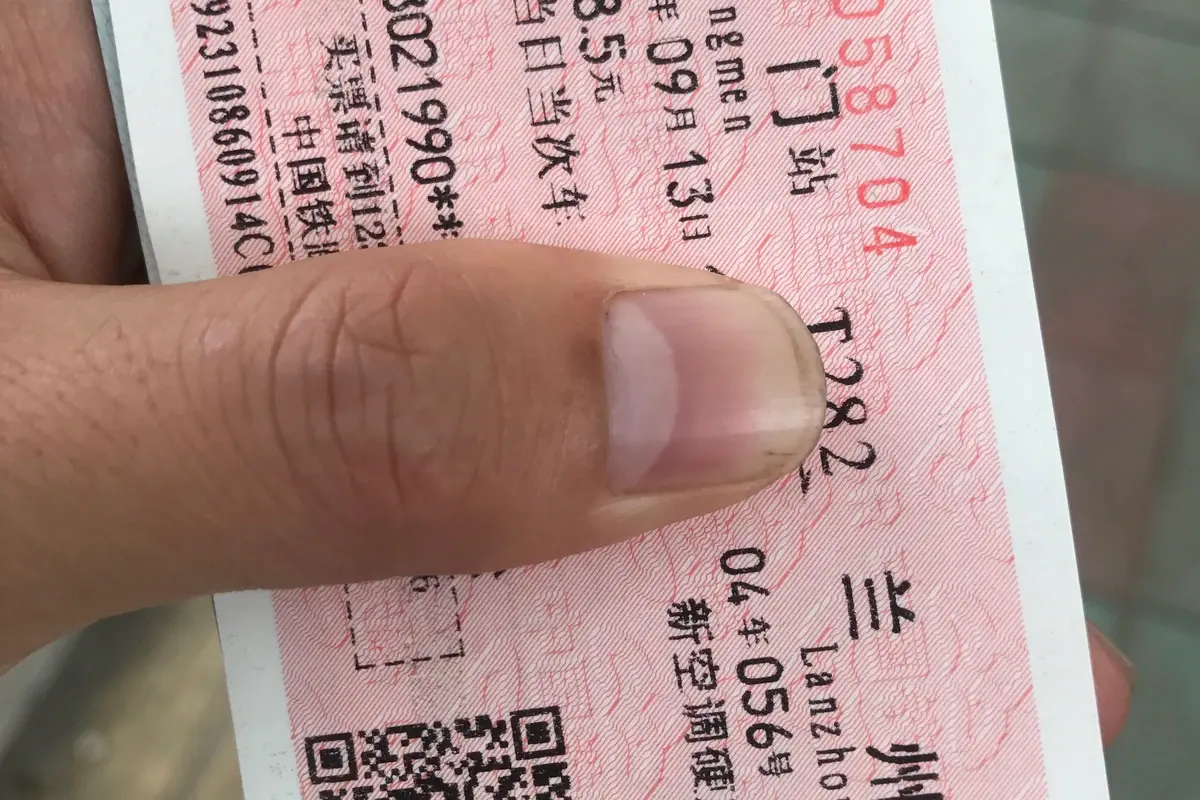
On September 12 I returned to Jingmen, where the heat was oppressive. That night I tossed and turned, booked train tickets, packed my bags, and the next day I was on the road. Jingmen to Lanzhou—the ticket was very cheap, 168.5 yuan. A long-distance train ride is nothing to me.
I arrived in Lanzhou around midday on September 14. Lanzhou railway station felt quite old. Without lingering, I hopped on a bus to the Lanzhou Museum. The bus was surprisingly only one yuan! The museum was free; I walked through without being particularly moved by anything except the “Flying Horse of Gansu” (Bronze Horse). After that, I navigated on foot to the Yellow River. As someone from the south accustomed to big rivers, my first glimpse of the upper Yellow River left me with two impressions: muddy and narrow. Then I checked out the sheepskin rafts, Lanzhou yogurt, Zhongshan Bridge, and the Mother of the Yellow River statue. That was Lanzhou done. I looked at the time—still early. So I went straight back, bought a ticket, and headed for Lhasa. Go!
At Xining, the train changed vehicles—we had to switch trains and fill out some kind of promise form. Xining seemed to have many high-rises and looked well-developed. On the train, I met a Tibetan man from Yushu, Qinghai, who was going on a pilgrimage to Lhasa. I’ve forgotten his name, but we had a great chat.
Riding the train to Lhasa, a long-held wish about to come true—my heart was pounding. The train chugged along slowly, clanking, and snow-capped mountains and grasslands kept appearing outside the window, breathtakingly beautiful. When the train stopped at Nagqu, I saw a few school kids sneaking on without tickets, which saddened me. Then suddenly, the first lake of the journey into Tibet, Cuona Lake, appeared, drawing exclamations from everyone—absolutely stunning. I vowed that one day I’d do the “one turquoise lake after another” journey through Ngari.
The train arrived in Lhasa the afternoon of September 15. From afar, the majestic Potala Palace came into view. I walked out and took a bus to the youth hostel I’d booked earlier. A friendly reminder: photography is not allowed at Lhasa railway station. After settling into Yun Cuo Hostel, I headed straight to Barkhor Street to wander around. As dusk fell, I reached Potala Palace Square—the palace took on a special charm. I didn’t suffer from altitude sickness entering Lhasa, but walking fast left me slightly breathless, so I stayed cautious.
On the morning of September 16, I continued exploring Barkhor Street, saw the Makye Ame restaurant, and the Potala Palace. I didn’t go inside the palace—partly because I don’t know much about Buddhism, partly because the ticket wasn’t cheap. Plus, visits are free in winter, so I figure I’ll return someday and save it for then. In the afternoon I boarded a bus to the next stop: Nyingchi. I reached Nyingchi close to nightfall. Nyingchi felt like a new town; the population was small—not even as big as a township in inland China—but the streets were spotless.
September 17: I spent half the day wandering Nyingchi. At an altitude around 2,800 meters, the climate is pleasant, frequent rain, perfect for daydreaming. The nearby Nyang River had nice scenery. Once I’d seen enough, it was time for the next destination: Bomi.
The road from Nyingchi to Bomi passes several gorgeous spots. First, you climb over Sejila Pass. The bus wound upward, and along the road, large patches of red stone beaches appeared—yes, the same red stone beaches as in Hailuogou, but on a massive scale and free to see, truly impressive. The vegetation was lush. Over the pass, you enter Lulang Forest, a vast expanse of virgin forest.
I reached Bomi on the evening of the 17th. Bomi county town is tiny—so small it doesn’t even have a bus station. From here, my hitchhiking adventure would begin. That night I stayed at “Rainy Bomi” youth hostel; the owner was a warm and enthusiastic young woman. I asked her about the tree burials in Zhuolong Valley and planned to head there the next day. The road to Zhuolong Valley was incredibly rough, all through primeval forest, with waterfalls and springs along the way. The more untouched a place, the better the scenery. Also, Bomi gets a lot of rain, so rainbows are a common sight.
On the 18th, after returning from Zhuolong Valley, I started hitchhiking. First time hitching, I was a bit nervous, but it turned out fine—lots of cars on the road, though most were heading to Zayü. My original plan was to go to Qamdo and take the G317, but I’d have to go in stages. I hopped into a car going to Ranwu and negotiated a price of 50 yuan. The driver was a young Tibetan guy; he drove fast and steady. There were three passengers: a middle-aged man bound for Zayü and a local going to Ranwu. I chatted with the driver; turns out they earn pretty good—grazing livestock, digging up caterpillar fungus, and driving—can bring in about 200,000 yuan a year. And these young people now speak surprisingly fluent Mandarin.
From Bomi onward, checkpoints started popping up—constantly having to get out for inspection. Along the way, we passed a military station where a soldier flagged us down to hitch a ride—he needed to deliver food to his buddies repairing roads in the area. Since we were about the same age and had things in common, we chatted easily. He said once he’s discharged, he’ll take his family on a trip along the G318 to enjoy all the scenery. The road was dotted with snow mountains, postcard-perfect. Soon we arrived in Ranwu. I got out, intending to stroll around Ranwu Lake. But in summer, the lake is a murky puddle—not pretty at all. So if you want to see Ranwu Lake, come in winter. I heard in winter the lake freezes so solid you can drive a tractor across it.
After a lunch in Ranwu, I continued hitching. By now, I was a pro; flagging down a ride was no problem. I quickly got a car driven by another Tibetan guy heading to Qamdo. He was a funny character; haggling with him was entertaining. I was still debating whether to take the G318 or G317. I asked how much to Bangda—150 yuan—and to Qamdo, 300. Finally, I bargained him down to 200 for Qamdo. Deal. This guy drove like a demon, with two Tibetan girls as passengers too. After Ranwu, we climbed onto the high plateau: winding mountain roads, vegetation thinning. The Tibetan girls kept giggling at me—well, I was the Han minority in their eyes! We chatted a bunch. They said now a really high proportion of Tibetans go to university, and many graduates take civil service exams; plus, university is free for them.
Soon we were approaching the famous Nujiang 72 Turns. As I was soaking in the view, I noticed smoke coming from the front hood. I immediately warned the driver. He stopped, and the two girls screamed. A quick inspection showed it wasn’t a fire—just steam from the radiator boiling over. The young driver, who seemed to be a newbie, had no clue. Turns out the car was a second-hand purchase. So we flagged down passing vehicles for help; I’d stop them, and they’d do the talking. Tibetans were all super helpful. In the middle of this, a drizzle drifted through the Nujiang gorge and a double rainbow appeared—what incredible luck, a double rainbow! After letting the engine cool and realizing we were in the middle of nowhere, I suggested the problem probably wasn’t serious—just a blocked water circulation. We could drive slowly, and since we were almost at the pass, it would be downhill all the way to Bangda. So we limped along, stopping and going, and reached Bangda around 8 p.m. The driver went straight to a garage, and the three of us found a place to eat. The girls paid for the meal—I felt a bit guilty, so I bought them some snacks in return. Tibetan nights are freezing, the stars magnificent. Not long after, the car was fixed, and we set off again. But after barely 10 kilometers, steam started billowing again. We had to turn back. The mechanic said he couldn’t solve it—no spare parts. So I said goodbye and stayed in Bangda for the night. I regretted not getting their WeChat before parting—a tiny regret.
On the morning of the 19th, I started hitching in Bangda, aiming for Markam. I was getting better at this. Plenty of cars on the G318; hitching wasn’t hard, but I had to choose rides carefully. I avoided cars with inland license plates and preferred Tibetan drivers—they were more straightforward, easier to bargain with, and more pleasant. Soon I flagged down a Toyota Prado. The driver was a Tibetan who regularly ran the G318 route; he was on his way to Chengdu to pick up people, he said. He also ran a bar in Lhasa. Super nice guy. All the way, he kept pointing out beautiful spots and sharing travel stories. On his advice, I headed straight to Xinduqiao. Got there very late.
The 20th was a rest day in Xinduqiao. That night it actually snowed, leaving the mountains white. I visited Juli Monastery and the Gongga Mountain viewpoint. I also strolled around town. I’d come a few days too early to see Xinduqiao’s famous poplar trees in autumn gold—another regret.
On the 21st, I went to Tagong Town. Along the river, entire mountainsides were carved with scripture—mind-blowing, but sadly, I couldn’t get off to take photos. In Tagong, I visited Tagong Monastery, Tagong Grassland, and the Golden Pagoda. In the afternoon, I hitched toward the Buddhist holy land of Seda. That night I stayed at “Bianhuahuakai” (Blossoms on the Other Shore) youth hostel—good conditions, and the owner was really friendly, giving me lots of travel tips. I also met a Hunan biker in the hostel who’d been on the road for three or four months—amazing. He could ride his motorcycle to places few people reach, and his photos were stunning.
The 22nd—finally I could visit the Buddhist holy land I’d longed to see: Seda Larung Gar Buddhist Academy. Seda town itself was practically empty. In the morning, I took a bus first to Yaowang Mountain to see the marmots. They were adorably chubby, stuffed with handouts from tourists, not afraid at all—great fun. You’ve got to go early, or they hole up and sleep. Then I reached the academy. It was bustling with people—even public buses—way livelier than Seda. I bet the academy will start charging admission before long, so get there soon. In the afternoon, I went to the sky burial site, which has become quite commercialized and didn’t offer the dramatic scene I’d imagined. Maybe because the weather was changing violently that day, there were many bodies to be given sky burials. The academy is huge—reportedly home to about 20,000 people—red houses everywhere, with supermarkets, banks, restaurants inside, making life pretty convenient. After exploring the academy, I went back to Seda in the evening, arranged a ride, and early next morning headed to Barkam.
September 23: At the driver’s suggestion, I entered the bus station without a ticket and the driver later charged me 160 yuan. I checked online later and tickets were only around 140—not sure if I got ripped off. Halfway along, the road was blocked by a landslide—I thought, this is it, no way through. But to my surprise, soldiers quickly showed up with machinery, and within half an hour they’d cleared the rocks. We passed through smoothly. I was in awe of their efficiency; back inland, this would have taken a week. In the afternoon we reached Barkam. I planned to stay, but couldn’t find a hostel there; the only one was in Zhuokeji. So I hitched straight there for 5 yuan. That night I settled in Zhuokeji.
The hostel had a nice atmosphere. I took the chance to wander Zhuokeji Ancient Town and the Long March Memorial. The site was a bit underwhelming, but the key thing was I needed a place to sleep.
The 24th: I read that Jiuzhaigou had reopened—I was thrilled, thinking my luck had turned. That day I traveled to Li County. On the way, I checked the news again: Jiuzhaigou was open but didn’t take individual visitors. So I had to change plans and decided on Bipenggou Valley. In Li County, I bought half a basket of apples from an old granny—delicious and cheap, 10 yuan. I hired a car to Bipenggou; the driver was a young Qiang guy. We chatted happily. He said the valley has wild monkeys and giant pandas, and that they used to shoot monkeys to eat. Overall, Bipenggou’s scenery was quite good. Inside, there were shuttle buses (total cost 80 yuan), and the entrance ticket was 80 yuan. I saw snow mountains, waterfalls, red stone beaches, and an emerald lake. It was snowing heavily at the time. After visiting, I took the Qiang driver’s car back to Li County, but he got a call to deliver something to the construction team at Bipenggou, so we returned together. On the way, we actually saw quite a few monkeys—smaller and more timid than the tyrants at Mount Emei. We hung out in the valley for a while before heading back. On the driver’s recommendation, I stayed at his relative’s inn and bought a pack of their yak jerky.
On the 25th, I headed down to Wenchuan. With Jiuzhaigou out of reach, I made for Chengdu. I took a bus to Yingxiu to see the 512 Earthquake ruins. The memorial on the hill brought back vivid memories—it felt like yesterday, yet 11 years have flown by. Everything has changed.
On the 26th, Chengdu to Jingmen, the end.


