13 Must-Visit Attractions in Lijiang, Including 10 Unique Itineraries...
Lijiang, the distant dream in so many hearts.
Do you know how to make the most of your visit?
Quietly be yourself
Who could bear to miss Lugu Lake?
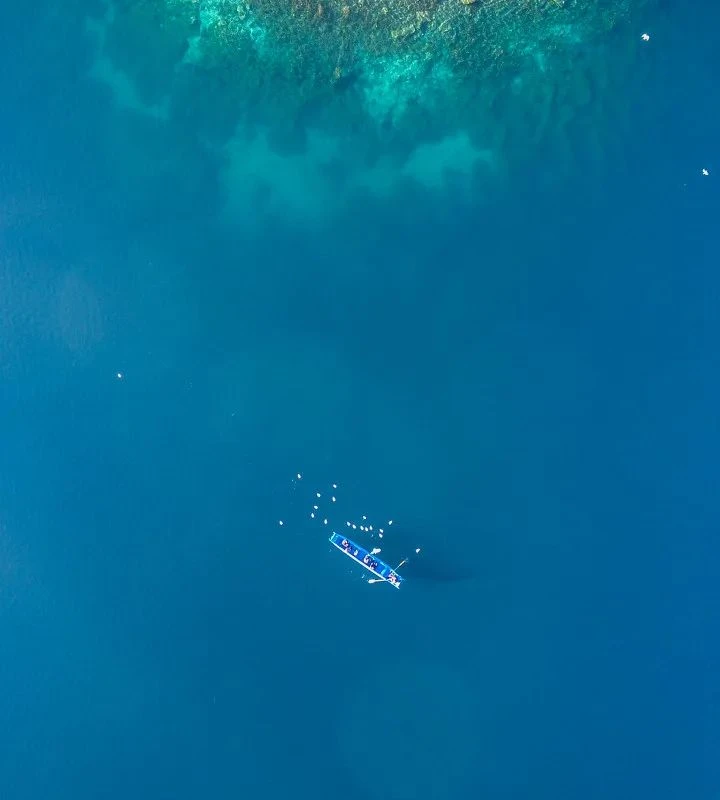
The water is so piercingly blue, like a mirror to the sky, where time slows to a crawl—perfect for doing absolutely nothing but daydreaming.
Stay until the sunset paints the sky, its colorful clouds a symbol of good fortune ahead.
Or light a sparkler and wave it freely by the shore; in that moment, all your worries will drift away.
D1: Lijiang → Ninglang → Lunch → Lugu Lake Viewpoint → Mosuo family visit → Hotel → Dinner → Bonfire party → Overnight
D2: Early morning Lugu Lake sunrise → Breakfast → Boat ride on the lake from Daluoshui (visit Liwubi Island) → Lige Viewpoint → Caohai (Sea of Grass) → Walking Marriage Bridge → Lunch → Ninglang → Return to Lijiang
Wait for happiness to knock
Yulong Snow Mountain is the sacred peak of the Naxi people. When sunlight pours down in brilliant beams, it’s said that those who glimpse the “one-meter sunshine” will have happiness knock on their door.
Follow the boardwalk upwards; the thinner the air, the more fearless you feel.
The mountain’s power, perhaps, lies in its ability to heal old wounds.
Gazing out at an endless sweep of white, everything turns pure and flawless, leaving only beauty in your heart.
Recommended Tour 1:
Lijiang Old Town → Ganhaizi → Main cable car (Glacier Park) → Lunch → Blue Moon Valley → Ganhaizi → Return to Lijiang
Recommended Tour 2:
Lijiang Old Town → Ganhaizi → Main cable car (Glacier Park) → Lunch → Blue Moon Valley → Impression Lijiang show → Ganhaizi → Return to Lijiang
Feel nature’s magic
Blue Moon Valley is formed when snowmelt from the mountain cascades down cliffs, eventually becoming a crystal-clear, sweet stream in a deep gorge above the valley.
Seen from above, it’s a breathtaking marvel.
On sunny days, the water turns blue, and the valley curves like a crescent moon; from a distance, it looks like a blue moon embedded at the foot of Yulong Snow Mountain—hence the name Blue Moon Valley.
Lijiang Old Town → Ganhaizi → Spruce Terrace small cable car → Lunch → Blue Moon Valley → Ganhaizi → Return to Lijiang
Slow down
Days in Lijiang demand that you slow down. Set aside the city’s rush and clamor, and only then can you truly feel its charm.
Stroll through Shuhe Ancient Town with no agenda, seeking nothing in particular—just follow your heart.
Let the afternoon sun and a street-side teahouse anchor your spirit here; long after you leave, you’ll find yourself longing to return.
Here, you watch clouds, wait for the wind, and listen for rain—peaceful and utterly content.
A hidden gem in the mountains
The Liming Scenic Area of Laojun Mountain is a core part of the Three Parallel Rivers World Heritage site. Like a forgotten pearl tucked deep in the hills, it’s an ideal place to soak in natural beauty, purify the soul, explore secrets, seek outdoor adventures, reflect on life, experience local customs, and savor delicious food. It blends magnificent alpine Danxia landforms, meadows, gorges, snowy peaks, and rivers, showcasing nature’s beauty and mystery.
Gurgling streams, pristine blue skies, and swaying blossoms—the world itself is a canvas painted by nature, inviting you to Laojun Mountain’s Liming Scenic Area to witness a different kind of mountain-valley scenery, return to the wild, and marvel at nature’s craftsmanship.
Lijiang city area → Laojun Mountain base → Experience the Danxia terrain, Via Ferrata® → Barbecue → Bonfire
Experience ethnic culture
Nestled at the foot of Yulong Snow Mountain, Dongba Valley Tourist Area centers on ethnic eco-culture and snow-mountain canyon landscapes, combining grandeur, danger, strangeness, elegance, and uniqueness. It features ethnic courtyards, Craftsmen’s Street, a glass skywalk, the Luomeile Grand Canyon, and an RV camp. Here, you can feel nature’s majesty and the vibrant richness of local cultures. The RV camp inside Dongba Valley lies beside the beautiful Luomeile Grand Canyon; with blue sky and white clouds above and Yulong Snow Mountain almost within arm’s reach, the scene is pure natural splendor.
A horse handler leads his horses along forest paths; the clip-clop of hooves transports you into the endless era of the ancient horse caravans. Follow the mabang leader and experience the hardships of those long journeys.
Many minority men and women are brimming with talent, and their song-and-dance traditions are countless. They welcome guests from afar in their most unique way—when cheerful folk instruments strike up, warm-hearted girls will invite you to dance hand in hand. Against the sacred snow mountain, prayer flags flutter in the breeze, leaving you with a sense of ease and joy.
The glass skywalk suspended across the mountain gleams like a red ribbon under clear skies. As you step closer, the transparent floor reveals the Luomeile Grand Canyon below; the reflection of blue sky and white clouds on the glass, framed by the snow mountain, is so stunning that every snap looks like a masterpiece.
Entering Luomeile Grand Canyon is like stepping into a magnificent natural gallery. Listen to the sound of flowing water, the whisper of wind through trees, and feel heaven, earth, and humanity merge into the most beautiful picture.
Lijiang city area → Horse riding at Lijiang Dongba Valley Equestrian Field → Check in at the famous skywalk → Canyon hike
If you’re tired, come spend a few days in Lijiang.
Pick a guesthouse you love. In the morning, hold a cup of coffee on the terrace and savor life’s small pleasures.
The afternoon sun turns everything a warm orange as it stream through the window lattice, filling the room with a crystalline glow. Lean against the window, soak in the warmth, and add a touch of lazy comfort to your day. Through every window, a different view unfolds—a frameless panorama of mountains and fields.
△ Lijiang Muting Art Villa
In the evening, wander the old town. When music spills from a bar, a bottle of Wind, Flower, Snow, Moon beer is enough to intoxicate you in that gentle stretch of time.
Mingle with local life
The Five-Arch Bridge, the Deyue Pavilion, Yulong Snow Mountain, and the mountain’s reflection in Heilongtan Pool have become iconic images of Lijiang.
Heilongtan Park is where locals often come to exercise and relax; it’s the best place to blend into daily life here.
No matter the season, with the snow mountain keeping you company, every casual photo turns out breathtaking.
The distinctive architecture and winding stone steps are both elegant and full of life.
The most beautiful national park
Pu Dacuo Forest Park might just be China’s most beautiful national park! And once you’re in Lijiang, you simply must visit the neighboring city!
Follow the wooden boardwalks across the grasslands to reach one tiny lakeshore after another; rivers meander before your eyes, wildflowers scatter across the land, and cattle, sheep, and horses roam freely.
Lie down on the grass in Pu Dacuo, gaze at the blue sky and white clouds, the flowers and pasture, the herds and distant foothills—how can anywhere be this beautiful?
In the TV drama “Rattan,” the spot where the character Si Teng (played by Jing Tian) comes back to life is in Pu Dacuo’s primeval forest. You can stroll quietly into that forest, where everything is so natural—silently growing trees, thick moss by the river, the occasional rabbit darting past.
D1: Lijiang → Xiaozhongdian Pasture → Shangri-La → Lunch → Pu Dacuo National Park → Dukezong Ancient City → Hotel → Tibetan family visit → Overnight
D2: Hotel → Gedeng. Songzanlin Monastery → Lunch → Yila Grassland → Xiaozhongdian → Return to Lijiang
“Rattan” introduced more people to Napahai, and it’s simply breathtaking. The sight of blue sky and white clouds mirrored on Napahai is truly stunning.
What many don’t know is that in the rainy season it’s a lake called Napahai, but in the dry season it transforms into Yila Grassland dotted with small lakes.
When you reach Napahai, you’ll understand what “utopia on earth” means: clouds drift lazily, and people stroll and chat on the endless emerald grassland.
A sight you must see in a lifetime
This is a secret hidden from the world.
This is a dream from legend.
This is the paradise Tao Yuanming described.
This is a haven for your soul.
This is where your spirit finds its way home.
Beyond the world, lush and independent, wrapped in mist and greenery, the entire village hides within rolling fog as if floating in a fairyland. Layered peaks, rippling streams, and waterfalls plunging from the mountains create a scene right out of a painting.
It is the “Peach Blossom Spring” of Tao Yuanming—surrounded by mountains, with the Lancang River rushing by, veiling a secret path to heaven. Its unique geography has created a primitive seclusion isolated from the world.
It is “Shangri-La in miniature”—gorges, snowy peaks, flying streams, ancient trees, rocky slopes, Tibetan villages… every plant and tree, every animal and creature embodies the life people yearn for most.
Yubeng, a name touched with an almost apocalyptic romance, feels like a paradise lost as you wander through it.
Look up, and the deep blue sky seems within reach; look down, and herds of cattle and horses roam. In the distance, snowy peaks beckon; up close, forests and ravines envelop you. Passing through the mist, you feel as though you’ve fallen into a world you’ve never known. That’s why hikers call it “the last hidden paradise on Earth.”
D1: Lijiang → Upper Tiger Leaping Gorge → Shangri-La → Moon Bay → Baima Snow Mountain → Feilai Temple (Meili Snow Mountain) → Check into hotel
D2: Early morning view of Meili Snow Mountain’s golden sunrise → Xidang Hot Spring (start hiking) → Lower Nazong Pass → Yubeng Village → Check into guesthouse
D3: Yubeng Village → Upper Nazong Pass → Xiaonong Pasture → Ice Lake → Return to Yubeng Village guesthouse
D4: Yubeng Village → Baimazhupu (Guru Padmasambhava’s meditation cave) → Sacred Waterfall → Return to Yubeng Village guesthouse
D5: Yubeng Village → Nino Grand Canyon → Junda Village (end of hiking) → Qudeng Pavilion (natural calcified pagoda forest) → Baima Snow Mountain → Yila Grassland → Shangri-La hotel check-in
D6: Shangri-La → Songzanlin Monastery → Dukezong Ancient City → Return to Lijiang
At Haba Snow Mountain, you can encounter alpine pastures, lakes, and snowy peaks along a trail so scenic it seems plucked from a painting. You can also ride a horse across the mountain.
Or hike deep into its hidden corners to witness the golden sunrise on the mountain, a sea of clouds, and pristine meadows bursting with wildflowers and crisscrossed by murmuring streams.
Haba Snow Mountain is an entry-level high-altitude peak; for snow mountain enthusiasts, climbing it is an outstanding choice that will stay with you forever.
Lijiang → Haba Village → Base Camp → Summit push → Descend to Haba Village → Return to Lijiang
Tiger Leaping Gorge is one of China’s most beautiful and thrilling hiking trails.
It boasts the country’s finest mountain and river scenery. Here, the Jinsha River makes a sharp turn, surging into raging tides; anyone standing at Tiger Leaping Gorge and hearing the river’s roar feels their soul shudder.
Once in your life, you must hike Tiger Leaping Gorge—travel light and measure with your steps this path embraced by snowy mountains and wrapped in the great river.
At night, stay within the gorge. Open a window to see Yulong Snow Mountain and look down at the Jinsha River; if you listen closely, you can almost hear the river’s daytime thunder.
Of course, Lijiang’s allure goes far beyond a few sights. What do you expect, what will you encounter, what will you leave behind, and what will you take with you? When you come, all will be revealed.


