Japan 8-Day Tour
After going through the complicated approval process, we're finally off to Japan.
With the all-inclusive 8-day Dongying Holiday tour, yes, here we come! The flight was at 8 a.m. on May 13th. We arrived at Toyama Airport around 11 a.m. local time. The airport is very small, and customs was quite a hassle—fingerprints and photos. Fortunately, there weren't many people, so we cleared quickly. Our bus could seat over 40 people, huge and very clean. Our driver was an elderly gentleman, impeccably neat and friendly; he greeted us as soon as we met.
Our first stop was Gassho-zukuri Village. The people live deep in the mountains, and their houses are built entirely by hand without a single nail. It's truly amazing. When someone builds a house, the whole village comes to help. Few Chinese tour groups arrange this stop. We visited the village chief's home, a very old wooden house. The chief sat by the fire in traditional clothing and explained the village's history, the house structure, and its principles. After that, he performed a local folk dance, the Kojiri ballad. To the ancient, monotonous sound of a traditional instrument, the chief danced, and everyone scrambled to record with their cameras. On the ground floor there was a small shop—just one attendant managing two counters full of Japanese knick-knacks. Everyone was curious and stopped to browse. Leaving the chief's house, I have to mention the restroom—so clean, with a small vase of flowers as decoration. Our guide said very few people maintain it, but because everyone is so mindful, it stays in great shape. At the main entrance, there was a little general store, decorated just right. We bought a matcha ice cream—creamy, rich, and delicious. Next, we went to the famous Kenroku-en Garden. Due to time, we only glimpsed a fraction of it. We saw many students and local office workers entering; it seemed like school trips and company outings. The whole garden is like a giant bonsai, meticulously designed and pruned. You can take great photos from any angle. After leaving, we headed to Higashi Chaya District. By then it was getting dark and drizzling, so the streets felt a bit quiet, but the shops on both sides were open as usual. We browsed a few accessory stores—really inventive, with paper hair ornaments and paper curtains that were exquisite. Since there were no geisha, I had to settle for a photo of a teahouse entrance. Haha... That evening, we also visited Nagamachi Bukeyashiki, a samurai residence. Since we couldn't go inside, we only saw the exterior. It sat on a quiet little street, a sizable place with tall yellowish walls enclosing an old garden—very serene. Dinner was a set meal; the oil-marinated whale sashimi was so good, melting in my mouth. We checked into a hotel in Kanazawa; the room was compact but clean. Being in Japan for the first time, everything felt fresh. We went out for a stroll; the food street was open until 10 p.m., but the department stores closed at 8 p.m. We saw that their evening sashimi and set meals were heavily discounted. Too full to eat, we just swallowed our saliva and walked away. The food looked so fresh, I was drooling.
The next day, a hotel buffet breakfast, a mix of Japanese and Western—bread, rice, miso soup, vegetables, fruit, milk, juice—quite abundant. We drove to Kyoto to visit the renowned Kinkaku-ji Temple. The entrance was bustling, with many tour groups and locals. We again ran into several school trips with students led by teachers, visiting in an orderly manner. Having just returned from Wutaishan, the gold didn't impress me much. Another ice cream—this one a bit too sweet. At noon we went to the Nishijin Kimono Hall. Wow, more kids there, and tons of tour groups. The hall sold mostly kimono-related items and offered kimono rentals for 3,600 yen a day. Models showcased many gorgeous kimonos. I snapped photos like crazy. Lunch at a restaurant next door. Then we visited Heian Shrine. We washed our hands at the water basin by the gate, supposedly for good luck. This is an imperial shrine, backed by a mountain. Many areas aren't open to the public. Lots of locals, and you could draw fortune slips. The surrounding scenery was beautiful, with locals strolling by with their dogs—Japan has plenty of dog lovers. Evening we ate at a large nearby shopping mall, passing through their bar street, which looked like stilt houses built along the river—very pretty. Everyone seemed so relaxed. Dinner was a Chinese buffet, but with a Japanese twist. Then we checked into a downtown Osaka hotel. Oh, here too the department stores close at 8 p.m., but the nightlife was lively. We saw all-you-can-eat places offering post-11 p.m. deals for just 1,500 yen. Stuffed again, we could only sigh. People in Osaka are indeed fashionable—powdered and painted men and women everywhere. The central streets are a maze, and the underground subway was a labyrinth. I hit a pharmacy and grabbed some items; the shopkeeper was very polite. My roommate was fascinated by the kimono-style nightgowns and went on another photo spree.
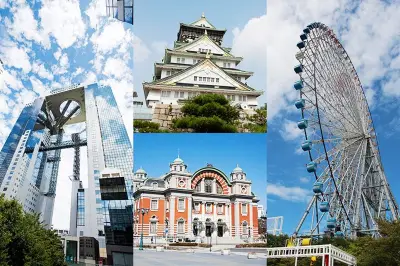
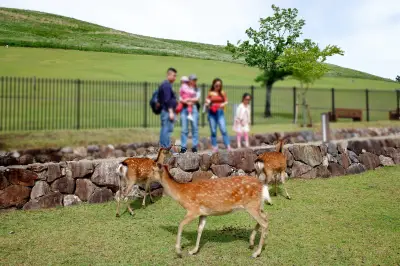
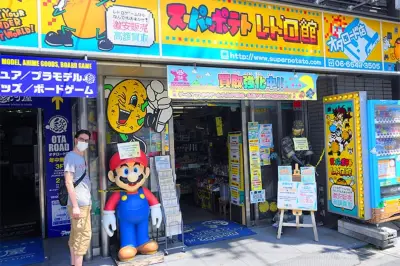
Day three: after a buffet breakfast, we went to Osaka Castle, but didn't go up to the keep. The scenery there is beautiful, with a wide moat and many tour groups. It's interesting that they buried things underground to be opened in 500 years for future generations. We saw a funny old man relaxing with his parrot. All sorts of dogs, a feast for the eyes. No cherry blossoms in sight, but we saw the trees. Then off to the famous Dotonbori and Shinsaibashi area. Wow, an assembly of trendsetters, tour groups, and locals. Drugstores packed, eateries packed, electronics stores packed—bustling energy. No amount of time was enough; I'm a shopaholic, I wanted to roam... but no, I was suppressed. Next time I must shop 'til I drop. 1.5 hours... not enough. We had a sushi set at a Japanese restaurant—delicious, but I wolfed it down in 15 minutes to resume shopping. Afterwards, we visited Toshodai-ji Temple in Nara, another distinctive stop that Chinese groups rarely do. The old architecture is stunning. I highly recommend the local yuzu and citrus fruit wine sold there—so good, a regional specialty, never saw it anywhere else after leaving Nara. 1,470 yen. Special mention: there's an ancient wooden statue in the temple. Finally, Nara Park. Oh, what a wonderful place! So many deer, totally unafraid, coming up to people for crackers. Todai-ji Temple there was also thriving with worshippers and visitors, and lots of tour groups. Dinner was a barbecue buffet—pretty good, according to the meat lovers. We stayed at an airport hotel that night, fairly new, by the sea. The breakfast spread was just average.
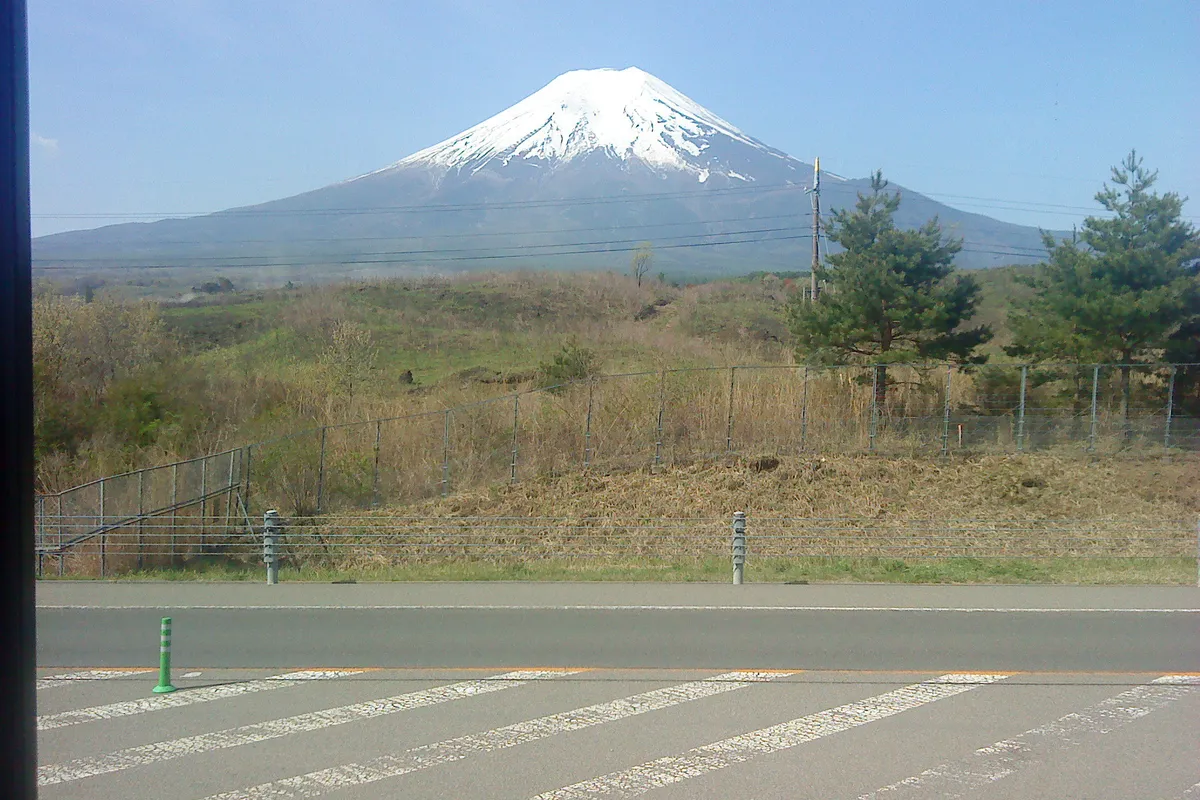
Day four: morning visit to Peace Park, where you're supposed to see the whole of Mount Fuji, but it was foggy, so no luck. Lots of tour groups—a famous spot. Driving through the mountains, the scenery on both sides was lovely. Then to Owakudani, with a strong sulfur smell. They sell black eggs boiled in the sulfur water, said to extend life by seven years each—500 yen for 50. Not interested. There's an overhead conveyor carrying baskets of eggs to be soaked. Tour groups galore—Westerners, Koreans, Japanese. So lively. My roommate fell for the Hello Kitty merchandise at the shop and took a bunch of photos. Lunch at a restaurant near Mount Fuji, with many groups. Next, Lake Ashi, a lake of great significance to the Japanese. The water was crystal clear, and the carp gathered the moment they saw people—totally unafraid. Racing along, we finally entered the Mount Fuji scenic area by 5 p.m. Lucky enough to reach the highest point, the 5th Station. Honestly, Fuji is better admired from afar. Up close, it's just that. But at sunset, with the evening glow reflecting on the sea of clouds, it felt special. Well worth it, though the wind was strong and it was freezing—30 minutes chilled me to the bone. The locals parked their cars and watched the sunset from inside; smart. Our big bus couldn't do that. That evening we checked into a hot spring hotel right by Lake Kawaguchi at the foot of Hakone. Beautiful is an understatement. The onsen hotel was much larger than the business hotels of the previous nights, with windows facing Mount Fuji. Lit up at night, Fuji became enchanting and almost bewitching. The beauty of an onsen hotel is that you can wander around in a yukata robe. Yay! Having a buffet dinner in our yukata was pure bliss—wide variety and delicious. After a post-dinner walk, I discovered the whole area was full of similar hot spring hotels. We went to soak in the onsen, following Japanese custom: thoroughly washed our bodies, then relaxed in the big bath. There was also an outdoor pool—soaking in the hot spring while gazing at Lake Kawaguchi right across. That's probably what happiness feels like. Another perk of onsen hotels: many brands place their products in the bathrooms for guests to try, and if you like them, you can buy them at the hotel shop.
Day five: early morning, I hurried to capture the reflection of Mount Fuji on Lake Kawaguchi. Gorgeous, just one word. After a buffet breakfast, we set off for Yokohama to visit the 21st Century Port, Yamashita Park, and Chinatown. Lunch in Chinatown, a Chinese round-table meal. In the afternoon, we saw the Imperial Palace Nijubashi. The sun was blazing, super hot; I imagined the poor emperor, unable to go out freely, and silently sighed that being emperor isn't all that great. Then to the famous Senso-ji Temple, a hub of small shops—a must-visit for many tours, a bit like our Chenghuangmiao. I bought ningyo-yaki, snapped a few photos, but time was too short. Off we went, promising ourselves a return visit. Evening in Tokyo, we had a buffet dinner with a view of Tokyo Bay and the Rainbow Bridge at sunset. Ran into another student group—seemed like we were destined to cross paths with them. Overnight in Odaiba, with a view of Tokyo Tower. The area probably buzzed at night, but I was too exhausted to go out and find out.
Day six: after a hearty breakfast, we headed to Akihabara, the mecca of electronics. Then we visited the Shinjuku Metropolitan Government Building. My roommate discovered a fun gadget—you could put your photo on a keychain doll's face. Next, the bustling commercial street of Shinjuku, lined with luxury brands, much like Shanghai's Huaihai Road. People were dressed in suits, with the occasional well-coiffed lady in expensive kimono. FANCL was running a promotion, and everyone bought loads. In the evening, we checked into the Nagano Kurobe Tateyama Onsen Hotel, a family-run inn with few staff but everything in perfect order. Along the way, we spotted late cherry blossoms—few in number, but so pretty. When we saw our rooms, everyone cheered: tatami-style rooms, spacious, beautifully appointed. Allow me to use the word 'pretty'—really pretty, well laid out, with a direct view of an apple orchard covered in white blossoms, set against the green valley, just stunning. At dinner, we all showed up in our yukata, and a set meal with about 13 different dishes appeared, colorful and appetizing. It proved to be truly delicious. After dinner, a stroll outside to snap a few more pictures of the Japanese-style inn. When bathing in the onsen, I noticed that because it's in the countryside, the outdoor bath was quite large, with flowers and plants around—a perfect garden scene, really pretty.
Day seven: early morning, a set meal—actually having rice for breakfast, a first for this Chinese girl, but it tasted good. After a soak in the onsen and feeling refreshed, we took a few photos of the late cherry blossoms, then off to see the snow walls at Tateyama. This is a unique itinerary—rarely organized by Chinese groups. Wearing our thick clothes, we arrived at Tateyama, switching between six different modes of transport. First, a bus to Kurobe Dam; the emerald reservoir against the snow-white mountains was dazzling. The weather wasn't great, and soon it started pouring. We took a few photos at scenic spots before lunch. After eating, we reached the snow wall entrance. Oh my, the downpour! My Arc'teryx hardshell was thoroughly tested. If you encounter such weather, cover yourself completely; an umbrella is useless. Wind and rain mean the rain doesn't fall straight—it lashes at a nearly horizontal angle. Waterproof jacket and pants are a must. After seeing the snow wall, it was downhill all the way, with rich vegetation, about 50 minutes to the bottom. A cable car ride took us into the Toyama area. At Tateyama, you must buy the Hoshi no Sora milk almond candy—super tasty, but they only take cash, no cards, 1,050 yen. Absolutely buy it; once you pass this village, there's no next shop. That night: barbecue buffet, hotel in the heart of Toyama, right across from the Toyama History Museum. The local nightlife was lively, the bar street bustling.
Day eight: early morning, a last round of shopping at a big supermarket, then straight to the airport. Security was strict; I suggest packing everything you can into checked luggage to avoid hassle. The duty-free shop at the airport is tiny, but you can grab a few last-minute items. The in-flight lunch on the return trip was quite good. Arrived back in the warm embrace of home in the afternoon.
(Fujisan)
(spa hotel)