A 'Chinese Ramen' That Even Ramen Connoisseurs Would Nod in Approval!
Ramen Pilgrimage Part 3 via Osaka Metro
Nowadays, 'RAMEN' is popular all over the world.
Many ramen shops have expanded overseas, and ramen has almost become a common food worldwide.
Although they are all called ramen, there is a wide variety of broths, noodles, and toppings, and being able to enjoy different flavors is one of the charms of ramen. This time, I would like to introduce 'Chinese ramen,' which can be said to be the origin of Japanese ramen.
Many people might wonder, 'What is the difference between Chinese ramen and ramen?' Actually, it's just a different way of calling it; they are the same.
When ramen was first introduced to Japan, it was called 'Chinese ramen,' 'Shina ramen,' or 'Nankin ramen,' indicating it was a 'noodle dish from China.' However, from the time the world's first instant ramen, Nissin Foods' Chicken Ramen, was released, 'ramen' became the common term.
Although ramen and Chinese ramen are the same, people generally imagine Chinese ramen as having a light soy sauce broth with simple toppings like chashu, bamboo shoots, and green onions.
Ramen continues to evolve, but if you eat this simple Chinese ramen, you can taste a certain nostalgic feeling.
In search of this traditional 'Chinese ramen,' I walked about 5 minutes from Osaka Metro Tanimachi 6-chome Station.
I visited the famous shop 'Chinese Ramen Uemachi,' located on quiet Uemachi-suji.
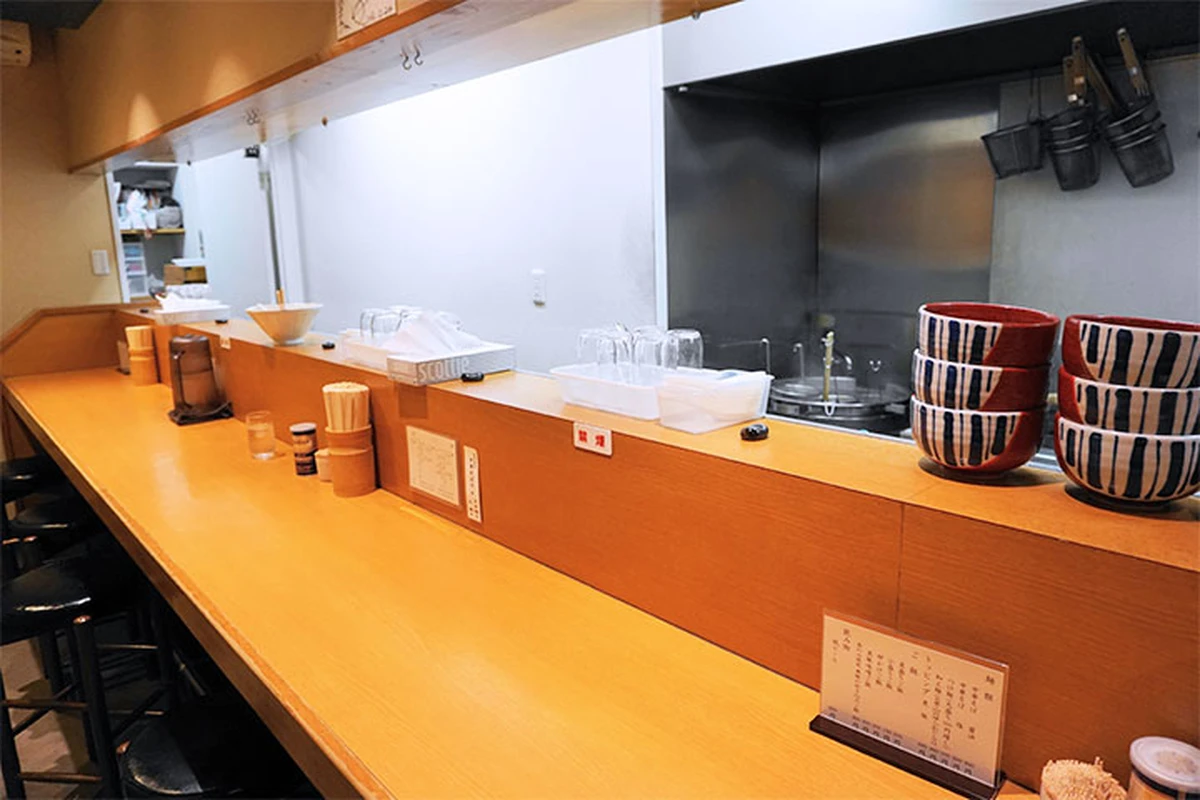
Passing through a curtain similar to that of a Japanese restaurant, the interior had only counter seats, with a very simple layout.
Although there were other tempting items like dipping noodles, since I was here, of course I ordered the 'Chinese Ramen Soy Sauce Flavor.'
Before enjoying the meal, I felt a strange sense of tension. I waited excitedly for a while, and when the ramen was served over the counter, the aroma of soy sauce wafted up, making me exclaim in admiration.
The toppings were simple: chashu, green onions, and bamboo shoots. The clear broth glistened with oil.
I took a quick bite, and the umami of the soy sauce spread instantly~
Ah, this is it! Exactly what I was looking for!
I found the nostalgic 'Chinese ramen' I had been searching for!
The broth is a blend mainly of Nara's Yamato chicken, refreshing yet rich and savory, truly delicious. At first glance, the noodles might seem soft, but they are not without elasticity; the surface is tender and wraps around the broth perfectly.
Let me say, the chashu is thicker than it looks, very luxurious! The meat is rich and pairs wonderfully. You can feel the careful preparation, and I couldn't help but think that this must be what a happy taste is like.
I asked the owner, Mr. Harada, 'What does Chinese ramen mean to you?' He replied, 'Well, it's the king's road' (the royal road). He smiled warmly and gave a familiar feel.
Speaking of Kadoya Shokudo Honten, about a 5-minute walk from Osaka Metro Nishi-Nagahori Station, it is a famous long-established shop known to ramen lovers. They select high-quality ingredients, combine chicken, pork, seafood, and soy sauce broth, and serve their house-made thin, straight noodles. It's a traditional 'Chinese ramen' shop known as the ultimate taste.
However, this Kadoya Shokudo's 'Chinese ramen' is also evolving. The newly opened 'Kadoya Shokudo' in Crysta Nagahori, the underground mall between Shinsaibashi Station and Nagahoribashi Station, serves a different style of Chinese ramen.
I immediately ordered the 'Chinese Ramen Pork.' When I saw the bowl of ramen served, my spirits soared, and my eyes widened. The broth was topped with chashu, with green onions in the center, blooming like a flower!
The star of this Chinese ramen is definitely the chashu. If you order the set meal, it also includes free rice and special pickles.
The broth, concentrated with the richness of Satsuma Chami pork from Kagoshima, wraps around the chewy, house-made flat medium-thin noodles, giving a very smooth texture! The slightly tangy and rich soy sauce flavor, combined with the shop's nostalgic atmosphere, feels reassuring and addictive. In the latter half, the chashu releases more fat, allowing you to enjoy a deeper flavor, which is quite surprising?
The recommended way to eat is to enjoy the tender, juicy chashu topping with the glossy, carefully prepared rice. Alright, let's wrap the chashu around the chive kimchi and rice and eat!
Ah, I see, I see—this really goes well with rice! And the delicious broth, so tasty you can't stop your spoon, is a happy combination with rice. I ate until I was truly full.
I finished the Chinese ramen with rice completely. I was amazed that there was such a way to eat it. For when you want a hearty meal, this ramen is highly recommended.
Even though they are all called 'Chinese ramen,' from the classic to the evolved types, there are many ways to enjoy them, but they share a common element: a nostalgic, familiar taste unique to Japanese people. From this, each shop develops its own flavor, making it the ultimate Japanese food that enlivens Osaka's cuisine. I can feel a bold flavor in it, and this is my ramen report.
Ah, what a joy! So delicious♪
Table of Contents
1. ● The Difference Between Chinese Ramen and Ramen
2. ● Premium Soy Sauce Broth—The Classic 'Chinese Ramen Uemachi'
3. ● Enjoy with Delicious Pork over Rice at 'Kadoya Shokudo Crysta Nagahori'
4. ● The Nostalgic Origin of Ramen: 'Chinese Ramen'
Travel Information
Hotel Index
Guide Index
Flight Index
Site Map
Travel Index
Cruise Index
Corporate Travel Index
Partnership and Affiliate Program
Friendship Links
Corporate Gift Card Procurement
Insurance Agent
Agent Cooperation
Hotel Franchise
Destination and Attraction Cooperation
More Partnership Cooperation
About Ctrip
About Ctrip
Ctrip Hot Topics
Contact Us
Careers
User Agreement
Privacy Policy
Business License
Security Center
Ctrip Content Center
Intellectual Property
Trip.com Group Algorithm Disclosure