2020, My Travels (Zhenjiang, Yangzhou, Huzhou, Hangzhou, Xianju, Zhoushan, Taizhou, Gaoyou, Nantong, Kunshan)
Looking back at 2020, I spent a total of 20 nights traveling to other provinces and cities, all by self-driving. 2020 was very special; the COVID-19 pandemic struck suddenly, bringing significant impact to the global economy and social life. After the Spring Festival, China's tourism industry almost came to a halt, gradually recovering only in the second half of the year. We resumed self-driving trips in late August. Although sporadic outbreaks appeared from time to time in the fourth quarter, we 'boldly' went out, but we didn't manage to cross the borders of Jiangsu and Zhejiang provinces. Since all nine self-driving trips were short-distance within Jiangsu and Zhejiang, the total mileage for the year was only 4,656 kilometers, far less than the 8,810 kilometers in 2019.
Our preferred travel destinations were mainly Buddhist key temples in Han Chinese areas, major historical and cultural sites protected at the national level, famous historical and cultural towns of China, famous historical and cultural villages of China, and famous historical and cultural streets of China. Additionally, we have a particular fondness for waterscapes, especially seascapes.
Nine Buddhist key temples in Han Chinese areas.
January 10, 2020: Zhenjiang Jinshan Temple.
January 10, 2020: Yangzhou Gaomin Temple.
January 11, 2020: Jiaoshan Dinghui Temple.
October 30, 2020: Nantong Guangjiao Chan Temple.
November 15, 2020: Putuo Mountain Fayu Temple.
November 15, 2020: Putuo Mountain Huiji Temple.
November 16, 2020: Putuo Mountain Puji Temple.
November 19, 2020: Ningbo Ayuwang Temple.
November 19, 2020: Ningbo Tiantong Temple.
Seventeen major historical and cultural sites protected at the national level.
Among the above key temples, Guangjiao Chan Temple, Fayu Temple, Puji Temple, Ayuwang Temple, and Tiantong Temple are major historical and cultural sites protected at the national level.
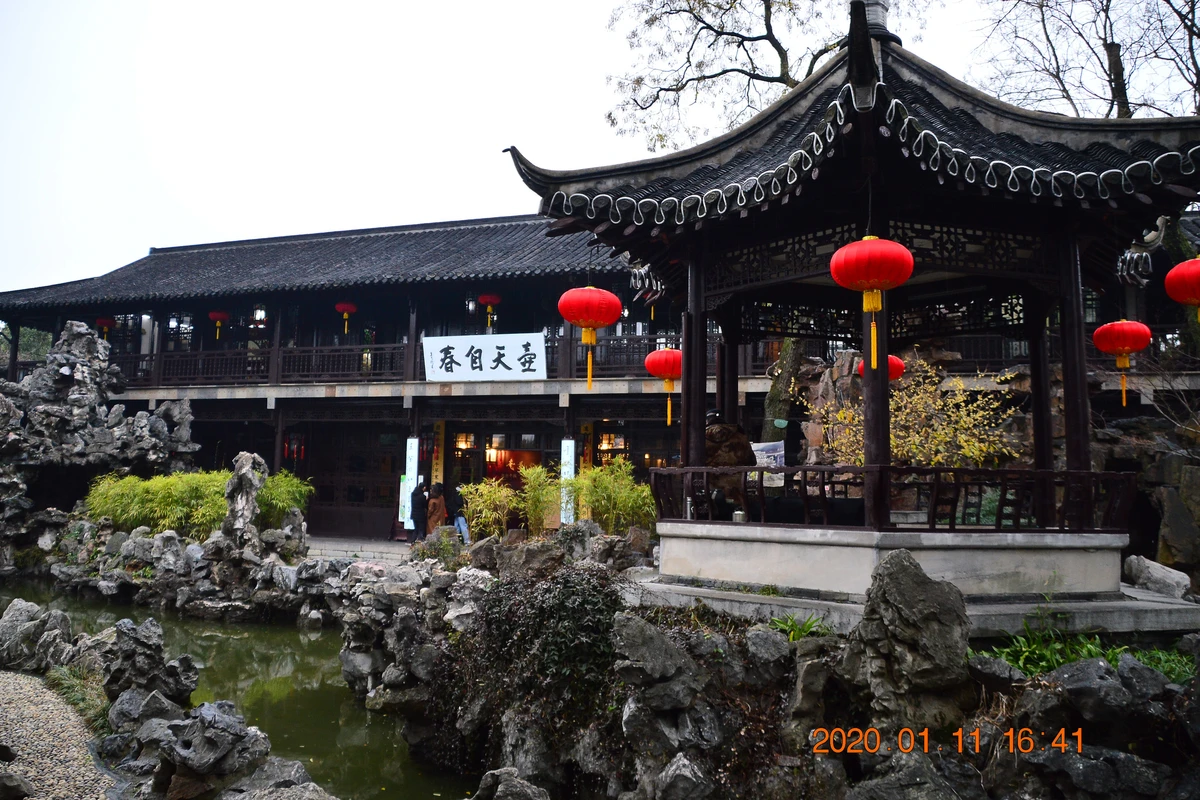
Geyuan Garden, announced by the State Council on January 13, 1988 as the third batch of major historical and cultural sites protected at the national level, category: ancient architecture, era: Qing Dynasty, address: Yangzhou City.
Jiaoshan Stele Forest, announced by the State Council on January 13, 1988 as the third batch of major historical and cultural sites protected at the national level, category: stone carvings and others, era: Southern Dynasties to Qing Dynasty, address: Zhenjiang City.
Shuanglin Three Bridges, announced by the State Council in March 2013 as the seventh batch of major historical and cultural sites protected at the national level, category: ancient architecture, era: Qing Dynasty, address: Nanxun District, Huzhou City.
Jiaye Tang Library and Xiaolian Garden, announced by the State Council on June 25, 2001 as the fifth batch of major historical and cultural sites protected at the national level, category: ancient architecture, era: Qing Dynasty, address: Nanxun District, Huzhou City.
Nanxun Zhang's Old Residence Building Complex, announced by the State Council on June 25, 2001 as the fifth batch of major historical and cultural sites protected at the national level, category: important historical sites and representative buildings of modern times, era: 1899 to 1906, address: Nanxun District, Huzhou City.
Zunde Hall, announced by the State Council in March 2013 as the seventh batch of major historical and cultural sites protected at the national level, category: important historical sites and representative buildings of modern times, era: 1877, address: Nanxun District, Huzhou City.
Juxi Confucius Family Temple, announced by the State Council on May 25, 2006 as the sixth batch of major historical and cultural sites protected at the national level, category: ancient architecture, era: Qing Dynasty, address: Pan'an County.
Rishe Garden, announced by the State Council in March 2013 as the seventh batch of major historical and cultural sites protected at the national level, category: ancient architecture, era: Ming Dynasty to Republic of China, address: Taizhou City.
Grand Canal, announced by the State Council in March 2013 as the seventh batch of major historical and cultural sites protected at the national level, category: ancient architecture, era: Spring and Autumn Period to People's Republic of China.
Yucheng Post, announced by the State Council on November 20, 1996 as the fourth batch of major historical and cultural sites protected at the national level, category: ancient architecture, era: Qing Dynasty, address: Gaoyou City.
Putuo Mountain Duobao Pagoda, announced by the State Council on May 25, 2006 as the sixth batch of major historical and cultural sites protected at the national level, category: ancient architecture, era: Yuan Dynasty, address: Zhoushan City.
Qinfeng Pagoda, announced by the State Council in March 2013 as the seventh batch of major historical and cultural sites protected at the national level, category: ancient architecture, era: Ming Dynasty, address: Kunshan City.
Seven famous historical and cultural towns of China.
Shuanglin Town, Nanxun District, Huzhou City: the seventh batch of famous historical and cultural towns of China.
Nanxun Town, Nanxun District, Huzhou City: the second batch of famous historical and cultural towns of China.
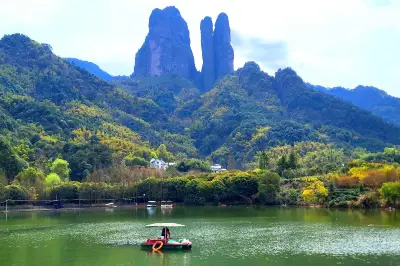
Potan Town, Xianju County: the fourth batch of famous historical and cultural towns of China.
Shaobo Town, Jiangdu District, Yangzhou City: the fourth batch of famous historical and cultural towns of China.
Qintong Town, Jiangyan District, Taizhou City: the second batch of famous historical and cultural towns of China.
Dongsha Town, Daishan County: the sixth batch of famous historical and cultural towns of China.
Qiandeng Town, Kunshan City: the third batch of famous historical and cultural towns of China.
Two famous historical and cultural villages of China.
Juxi Village, Panfeng Township, Pan'an County: the sixth batch of famous historical and cultural villages of China.
Gaoqian Village, Baita Town, Xianju County: the fifth batch of famous historical and cultural villages of China.
One famous historical and cultural street of China.
Dongguan Street: the second batch of famous historical and cultural streets of China.
In addition to the above, the unforgettable ones include:
Pinghu City's East Lake and Baoben Temple.
Hangzhou Xiangji Temple.
Jiashan New Xitang Yue Li.
Jiangyin Hailan Feima Water City.
Taizhou Kou'an Diaohua Building.
Yangzhou Jiangdu Shaobo Ship Lock.
Watching the sunset at Daishan Gaoting Fishing Port.
Daishan China Cape Park.
Of the 20 nights of accommodation, 11 were in officially classified five-star hotels. The most expensive accommodation was at Putuo Mountain Xilei Xiaozhuang, officially a four-star hotel, at 698 yuan (excluding breakfast). This was mainly because hotels on Putuo Mountain Island are generally more expensive.
The most satisfactory room facilities were at Zhoushan Sheraton Greentown Hotel, officially a five-star hotel, deluxe city view twin room, 549 yuan (including double breakfast).
The view from the balcony of the room at Zhoushan Sheraton Greentown Hotel was excellent.
The best hotel balcony was at Daishan Kaiyuan Hotel, superior twin room, 486 yuan (including double breakfast).
The hotel is located on a small island, with a view of a corner of the fishing port in the distance.
The most satisfactory hotel buffet breakfast was at Zhejiang Expo Grand Hotel, officially a five-star hotel, deluxe elegant twin room, 368 yuan (including double breakfast). The breakfast was very rich, with many Chinese varieties, including shengjian, steamed dumplings, and small wontons.
The most unforgettable restaurant was Yuanzhi Yuanwei. It mainly offers seafood at affordable prices, with branches in Dinghai, Putuo Mountain, Daishan, and Ningbo. We had 'path dependence,' eating at the chain stores of 'Yuanzhi Yuanwei' for five consecutive nights.