2023 Latest Taizhou Travel Guide
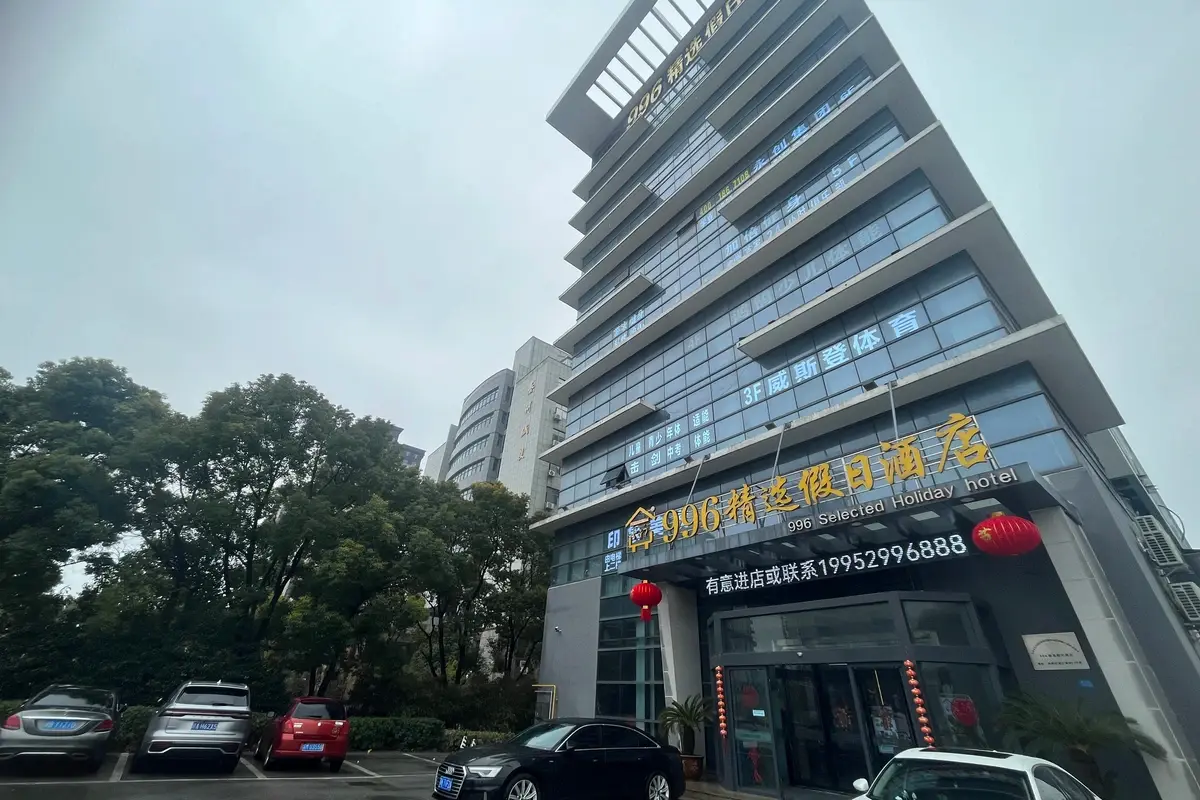
After years of pandemic, the elderly never had a chance to return. As the pandemic subsided nationwide and spring flowers bloom, I decided to take my grandfather back to our ancestral home in Taizhou. I booked this mid-to-high-end hotel on Ctrip a few days in advance, since it's better to have a comfortable stay when traveling with elders. I left work early in the afternoon, picked up my grandfather at home, and drove to Taizhou. It took about three and a half hours from Shanghai to the hotel. At the front desk, they kindly asked if we had dinner and if we had any laundry. They even prepared a small stool for the elderly to bathe. We were truly touched. After check-in, the front desk sent small snacks and fruit to the room.
Taizhou, an ancient county since the Han and Tang dynasties, is a renowned area in the Huaihai region. Since ancient times, it has been known as a "vital waterway and strategic pass," blending the charm of Wu and Chu and converging the styles of the Huai and Jiang rivers. To truly experience the essence of Taizhou, you can't have a packed itinerary. You need to set aside an entire day to leisurely explore the old town and private gardens. The word "slow" is the key. I hope this guide helps you master the slow life of Taizhou.
Admission to the old town: 31 RMB (18 RMB for seniors aged 60-69). Wetland park: 78 RMB (38 RMB for seniors aged 60-69).
Breakfast: We had breakfast in the hotel restaurant on the 9th floor. The restaurant has large floor-to-ceiling windows on two sides, offering a great view. The rising sun shone through the windows onto the tables, creating a serene and peaceful atmosphere. The freshly made wontons (filled by the auntie in the restaurant yesterday) were delicious, along with shredded pork and pickled vegetable noodles, plain congee, red date and white fungus soup... After a hearty breakfast, we went with my grandfather to our destination—the place of our ancestral home. My grandfather finished his breakfast quickly, and I could tell that in his heart, his hometown was getting closer.
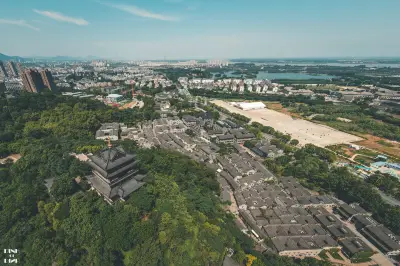
This is an ancient town with a thousand-year history. Every brick and tile holds historical and cultural significance from the Ming and Qing dynasties. Along the small commercial street at the entrance, there are local specialties like Qintong fish balls, fish cakes, old street tofu pudding, dried meat, and Qintong hairy crabs... one after another. While tasting the local snacks, you can also feel the lively atmosphere of the market. Turning into a nearby alley paved with bluestone slabs, the gray bricks and black tiles, and the tightly packed old houses on both sides, lack the ruggedness of northern towns but have more of the delicate lightness of southern water towns. An old locust tree in the ancient town has stood for a hundred years, witnessing the changes of the entire town. My grandfather told me that he used to enjoy the shade under this tree as a child. Now, standing here again, he was filled with emotions.
Lunch: We bought some fish balls, fish cakes, and hairy crabs from the commercial street and had them processed at a restaurant in the old town (about 80 RMB per person).
Not far from the ancient town is a rare 5A-level freshwater wetland park in China—Qinhu National Wetland Park. Also known as "Magpie Lake" because many magpies used to gather on the lake surface, Qinhu Lake is a living water body in a corner of Taizhou. The park is lush with vegetation, rich in oxygen, fresh and pleasant. Seek out sika deer in the green wonderland and feel the charm of the water town while rowing a boat. The park has must-see attractions.
1. Ancient Shou Sheng Temple: You need to take a painted pleasure boat (separate fee). Passing by a three-sided Buddha pagoda on the lake, you'll reach the Ancient Shou Sheng Temple, built over 700 years ago during the Song Dynasty. Elegant ink charm, simple heart, serene Zen, and lingering emotions.
2. Hand-rowed boats: Glide through the waterways of Qinhu Lake on a hand-rowed boat. The reeds on both banks are lush, the air is fresh, and you can chat with the boat aunt about local customs. Close your eyes and feel the elegant charm of sleeping on the water. If nothing worries you, early spring is the best time of the year.
3. Farmhouse Garden: A few white-walled, black-tiled houses and a vegetable garden recreate the simplicity and sincerity of a rural water town. It's March, the spring breeze blows, and it's the perfect season for taking photos.
4. Deer Park: The world-famous hometown of sika deer. Standing on the observation deck, close your eyes and listen to the distant deer calls. "The deer cry out, eating wild celery in the fields." The words from the Book of Songs, which once seemed dry, now feel lively and vibrant in this setting.
Dinner: Ba Xian (Eight Delicacies) Restaurant in Qinhu National Wetland Park serves the must-try Qinhu Eight Delicacies. All ingredients come from Qinhu Lake, healthy and delicious (about 180 RMB per person).
After a day of sightseeing, we returned to the hotel. The room attendant had already cleaned the room and opened the windows for ventilation. I called the front desk to ask about having a few pieces of laundry washed, and soon a robot came to collect the dirty clothes. The bed deserves a special mention. My grandfather was tired from the day's activities and often has back problems at home. The next morning, he said the bed was really comfortable. Ha ha, the older you get, the more you become like a child. Originally, I planned to go back after one day, but seeing that my grandfather was still a bit reluctant to leave his hometown, I took another day off to spend more time with him in Taizhou. After all, he is getting older, and the time I can spend with him is becoming rarer.
Except for Wanghai Tower (32 RMB) and night cruise on Fengcheng River (54 RMB), other attractions are free.
Breakfast: Huibinlou Morning Tea (about 20 RMB per person).
The most unmissable thing in Taizhou is morning tea. Many places in central and northern Jiangsu have the tradition of morning tea, but only the Yangzhou-Taizhou area has preserved and developed it best. Taizhou's morning tea is not just about eating; it's about the family and friendship around the table. The diverse tea breakfast also slows down the city, allowing a leisurely start to the day. The must-order dish is Dazhu Gansi (shredded dry bean curd). The Qing Dynasty writer Yuan Mei's "Suiyuan Food List" has a record: "Shred the dried bean curd very finely and mix with shrimp roe and shrimp oil."
Thick soup fish fillet wontons: A thick, milky white fish broth slow-cooked, paired with thin-skinned, meat-filled wontons, and finely sliced tender snakehead fish, with a touch of white pepper—superb.
Dazhu Gansi: Golden broth, light but not lacking in flavor. The shredded bean curd is fragrant and tender, without any beany smell. Accompanied by black fungus, ham shreds, beef shreds, and fresh river shrimp.
Crab roe buns: Every bite contains crab roe—truly authentic. A whole crab roe bun is as big as a palm, heavy and overflowing with crab roe. Tear it open, and inside is crab meat and roe. Every mouthful is satisfying (though a bit pricey).
Almost every morning tea house has its specialty dish, but I still recommend Huibinlou. The interior decoration is a new Chinese style that incorporates local culture. The service is also quite good. Besides, it's not far from the hotel, and after morning tea, it's easy to head to the attractions.
Zhonglou Lane: Named after the bell tower built in the early Ming Dynasty, it runs east-west and crosses Guandimiao Lane. This old lane has weathered a hundred years of wind and rain, with historical records dating back over 800 years. The long years have left a rich legacy here. Walking into Zhonglou Lane in the city, you can feel the historical sedimentation, cultural inheritance, and harmonious living environment.
Qiao Garden: Known as the "First Garden West of the Huai River," built during the Wanli period of the Ming Dynasty, originally named "Rishe Garden" after Tao Yuanming's poem. Later it passed into the hands of Qiao Songnian, a salt transport official in the Qing Dynasty, and was renamed Qiao Garden. In the spring of March, the garden presents a delightful picture of spring.
Old Street: Although a replica of Ming and Qing architecture, it doesn't affect the elegance and comfort it offers. The bluestone brick road is lined with shops, and the aromas of snacks waft along over 600 meters. The variety of food is endless, and every bite brings back unforgettable memories for old Taizhou locals.
Lunch: My grandfather and I ordered a few Taizhou stir-fry dishes at a restaurant on Old Street. The prices were reasonable (about 50 RMB per person).
Mei Garden: Also known as the Mei Lanfang Memorial Hall, built to commemorate the Peking Opera master Mei Lanfang. The garden features pavilions, ancient trees, and lake stones—quiet, elegant, and unique. Thousands of flowers bloom, subtly fragrant. While appreciating Mei Lanfang's art, I also deeply admire his patriotic spirit.
Wanghai Tower: Built in the second year of the Shaoding period of the Southern Song Dynasty. At that time, Taizhou was also called Hailing, an ancient city by the sea. Now the sea tide has long receded, but Wanghai Tower still stands. The sun sets over the mountains and sea, hiding deep meanings. Climbing the tower to view the landscape at sunset, the afterglow fills the sky—this is the most tender moment.
Night cruise on Fengcheng River: As the red lanterns on Old Street light up, the city enters the night. The boat ride lasts about 30-40 minutes, allowing you to see the well-arranged buildings along the shore in the interplay of light and shadow. The illuminated pavilions at night have a different scenery from daytime. On the painted pleasure boat, you can hear Mei Garden's Peking Opera, Taoyuan's Kunqu Opera, and Liuyuan's Pingtan... Drinking tea, chatting, reading—experience the unique elegance of ancient scholars. It feels like traveling back to the Song Dynasty.
Since our luggage was still at the hotel, we went back to pick it up. The hotel staff kindly helped load the luggage into the car, touching me once again. This is what makes it different from other chain hotels—they focus on customer service, meticulous and thoughtful. A simple word or small gesture can warm the heart.
Goodbye, Taizhou~
Travel Journal Index: 1. Day 1: Qintong Ancient Town, Qinhu National Wetland Park (30 km, 40 min drive); 2. Day 2: Zhonglou Lane, Qiao Garden, Old Street, Mei Garden, Wanghai Tower, night cruise on Fengcheng River (3 km, 5 min drive).
[Note: The rest of the text about travel resources, hotel index, guide index, etc., is standard footer content and not part of the travel note translation. It retains the same structure in English and Traditional Chinese.]